

No One Is Right in the Debate for and Against Philanthropic Pluralism
Both sides in the heated discussion over philanthropic bridge-building make worthwhile arguments but miss a critical point: Collaborative dialogue and action turn adversaries into allies and have historically yielded meaningful progress toward social justice.

By Shamil Idriss and Rachel Kleinfeld

To Encourage Ideological Diversity on College Campuses, Donors Need to Think Bigger
Rather than writing big checks to their alma maters, philanthropists should use their money to build new universities that embrace nonconformity and divergent political perspectives.
By Thomas Gift and Julie Norman

The Onslaught of Anti-Trans Legislation Demands a Crisis Response From Philanthropy
Several women’s funds across the country are showing what an effective response to attacks on trans rights looks like — and why the historic underfunding of the LGBTQ+ community is no longer tenable.

Federal Food Assistance Cuts Should Spur Charities to Rethink How They Feed Families
Last week’s debt deal and the recent end to pandemic-era food programs have left many charities worried about how to feed everyone seeking help. Instead, they should adopt approaches that ensure healthy food is always available to all who need it — regardless of congressional actions.
By Dion Dawson
Contributor

Nonprofits that help local economies thrive are doing the work needed to promote individual liberty and counter authoritarianism across the globe. Philanthropy should invest in them rather that pouring more funds into big government programs.
By Brad Lips
Contributor

The overuse of grandiose and unclear language prevents nonprofits from telling stories that inspire the people they need to reach. ChatGPT, Google, and regular humans can help them change those patterns.
By April Bo Wang
Contributor

Philanthropy’s Divisions Reflect America’s Politics — Not Its People
Nonprofits and foundations have spent weeks debating and deconstructing an essay on pluralism that most Americans wouldn’t bat an eye at. That kind of response raises questions about how the social sector can ever succeed at healing the nation’s divides.
By Chris Stackaruk
Contributor
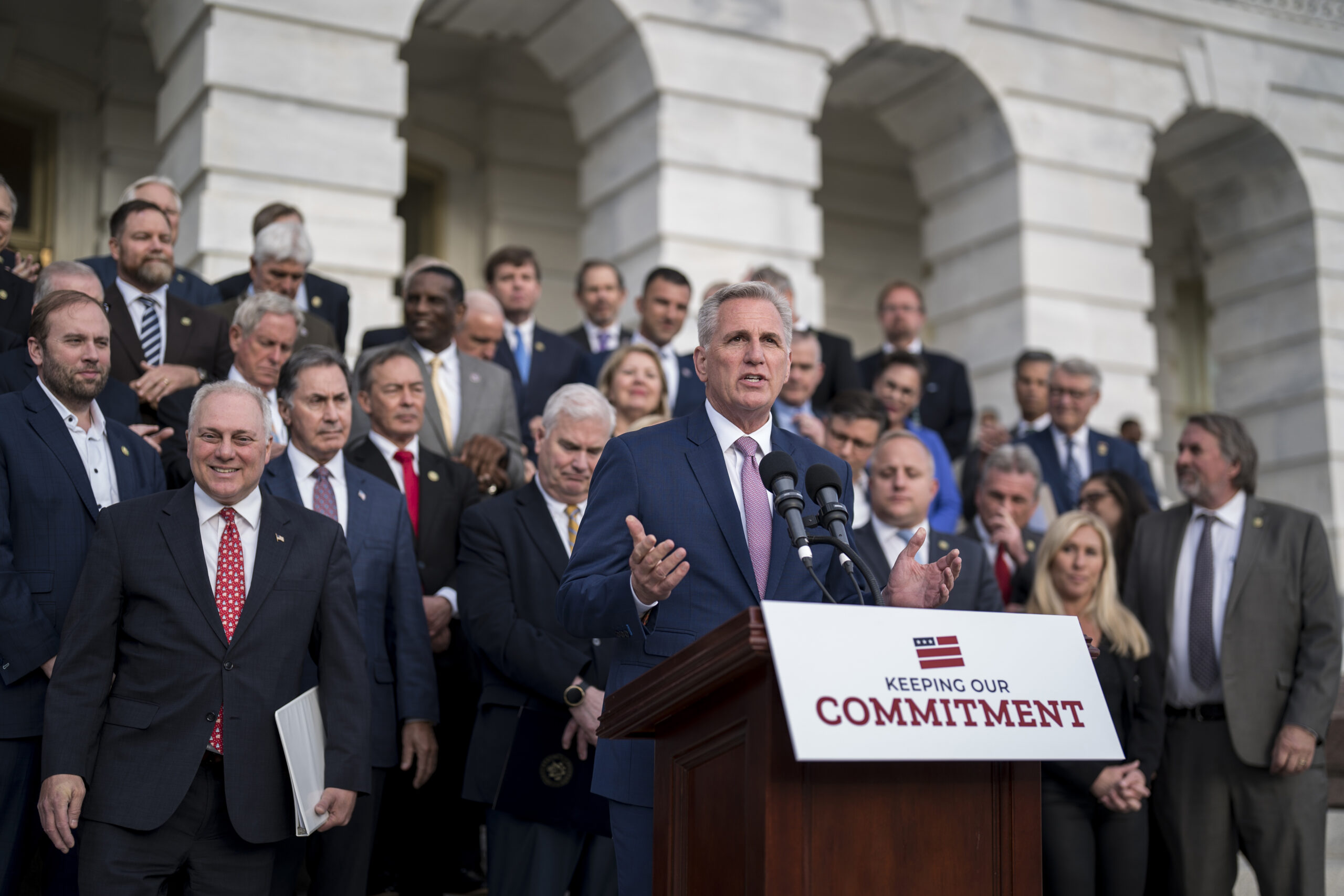
House Republican budget proposals over the debt ceiling threaten many programs put in place by FDR and his vice president, Henry A. Wallace. The answer, say their grandsons, is to support social movements that hold those in power accountable.

East Palestine Disaster Shows How Philanthropy Can Halt Chemical Accidents in Their Tracks
When a derailed train leaked hazardous chemicals into an Ohio community, donors and advocates helped residents get the aid and information they needed. They also demonstrated how to effectively address and prevent future catastrophes.
By Ansje Miller
Contributor

What Grant Making in Russia Taught Us About How to Address the Assault on American Democracy
The recent ouster of lawmakers in Tennessee and Montana for their anti-majority-rule views shows how the authoritarian playbook works — and what’s needed to fight back. Philanthropy must take advantage of this moment to thwart autocratic behavior and bolster democracy.