
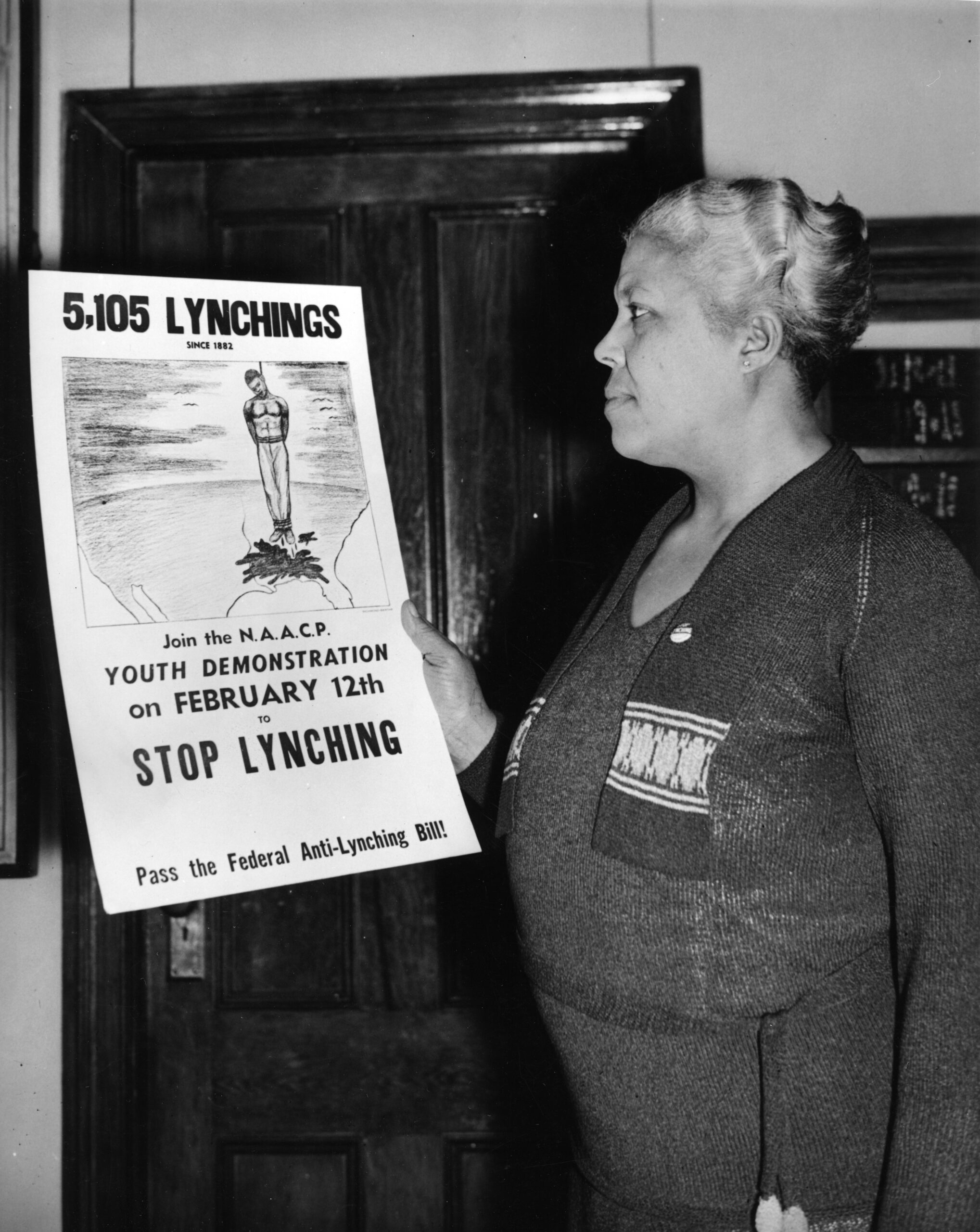
To Create a More Inclusive Future, Philanthropy Should Examine the Overlooked Chapters From its Past
Women, Black people, and immigrants — not just wealthy industrialists — fueled 20th-century philanthropy in cities like Pittsburgh. Understanding their historic role is critical to developing more just and equitable philanthropic practices today.

By Kathleen W. Buechel
Contributor
The Ozy Media Debacle Is a Cautionary Tale for Journalism Donors
Before funding a news organization, donors should ensure the outlet can deliver on its promises and reach the intended audience. Without such vetting, philanthropic organizations are likely to miss out on opportunities to support journalism where it is needed most — in underserved communities of color.
By Tracie Powell
Contributor

If You Want to Hire an Executive Director of Color, Don’t Set Us Up to Fail
Leaders of color shouldn’t be brought in to clean up a nonprofit’s past mistakes or racist actions. The transformation to a more equitable and inclusive organization should be well underway before we walk in the door.
By Sarah Audelo
Contributor
Mold Young Leaders, Share Power, and Acknowledge Injustice: Advice From Foundation Leaders of Color
Three grant makers share their views about what their white peers can do to advance equity.
By Keecha Harris
Contributor

To Achieve Lasting Policy Change for Kids, Advocates Need to Choose Their Words Carefully
The messages nonprofits and foundations use to describe the problems facing children — and the proposed solutions — may be pushing people away and making it harder to take advantage of opportunities to achieve long-sought improvements.

A Giving-Local Mind-Set Reinforces the Chasm Between Wealthy People and Those in Need
When philanthropists mostly donate to causes and services in their own backyards, they perpetuate inequitable giving trends and fail to recognize historic discriminatory practices that have kept people of color out of higher-income areas.
By Davey M. Kim
Contributor

Philanthropy Needs to Rethink How It Supports Efforts to Rebuild Our Nation’s Infrastructure
As Congress debates a potential massive increase in federal infrastructure funding, grant makers should embrace a more expansive view of such projects — one that paves the way toward more equitable and sustainable communities.
By Katy Knight
Contributor

How a Family Foundation Leader Builds Trust With Grantees
In an interview, Julie Aleman, philanthropist and executive director of the Younger Family Fund, talks about the insights she’s gained from working on both fundraising and grant making and how families can foster a culture of generosity that carries through to the next generation.
Foundations Need to Back Up the White House’s Equity Agenda With More Equitable Research
The funding criteria, proposal processes, and research methods used by many philanthropic organizations make it harder for grantees to produce data that reflect the challenges — and opportunities — in communities harmed by structural racism.
By Brian Quinn and Tina Kauh
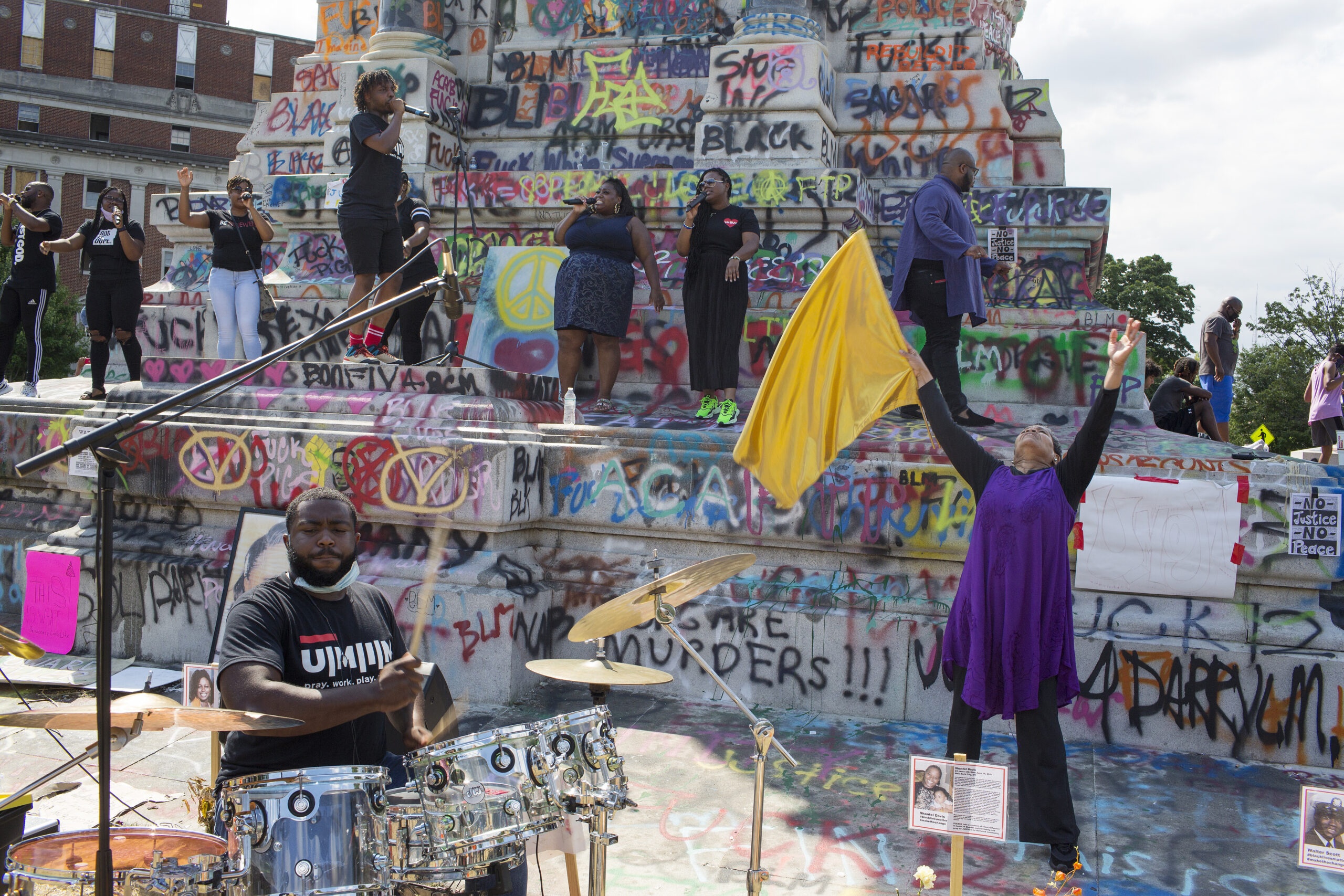
Reports of a Massive Increase in Racial-Justice Funding Paint a Distorted and Dangerous Picture
A new analysis shows how conservative groups have seized on inflated estimates of giving following 2020’s racial-justice protests to falsely signal that grassroots groups fighting systemic racism are getting more than their fair share.
By Lori Villarosa
Contributor