They Witness Deaths Daily: Now Comes Covid-19

By Emily Haynes
Senior Editor, Nonprofit Intelligence
April 17, 2020 | Read Time: 2 minutes
Nine years after the Syrian Civil War began, the country’s citizens now face another threat: Covid-19. An estimated 100,000 people in northwest Syria will die from the disease if health workers cannot access personal protective equipment, medicines, and other supplies needed to combat the spread of the virus, according to the Syria Campaign, a human-rights group that raises international awareness and funds to promote peace and democracy in the country.
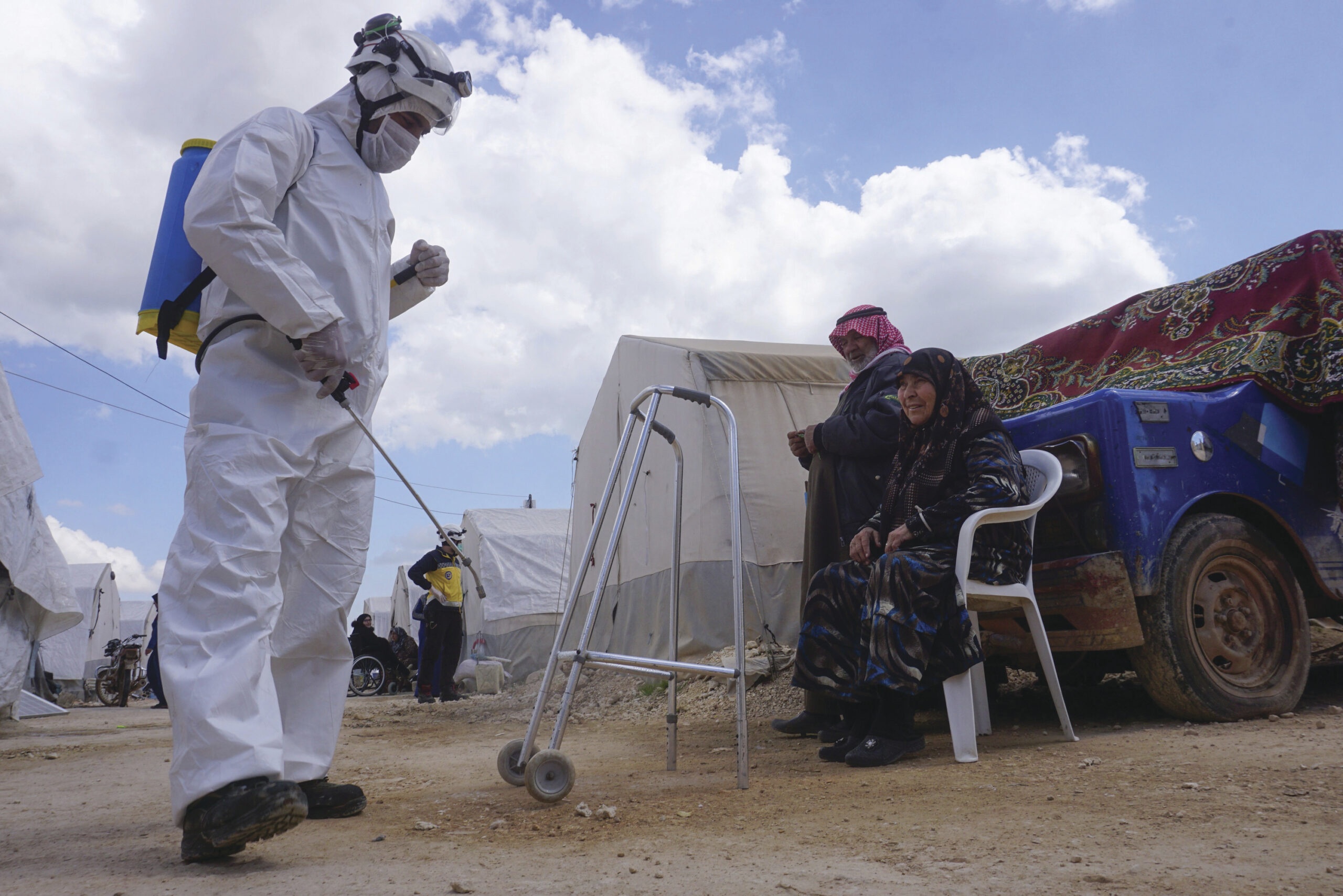
“Everything that we hear about around social distancing is inapplicable in the Syrian situation,” says Laila Kiki, executive director of the organization. In Idlib, Syria, she says, most of its 3.5 million people have been displaced from their homes and are living in camps, where a single tent typically shelters by more than 10 people.
Worse still, the country’s health system is in shambles. Russian-backed Syrian forces have bombed hospitals. Health-care professionals have been detained or disappeared. “The health system is incapable of caring for existing diseases in the country,” Kiki says.
With social services in disarray and civil society fractured, many Syrians depend on the White Helmets, an all-volunteer group, to meet their health and safety needs. Volunteers in their signature white helmets are now also donning protective clothing to disinfect communities, educate Syrians about the virus, establish quarantine areas, and train civilians to safely evacuate people who fall ill.
“Their list of demands is huge,” Kiki says, noting that the White Helmets have no government support but depend on donations from the international community to access the supplies they need to protect themselves and care for those in need.
The Syria Campaign hopes to raise $100,000 to help the White Helmets purchase ventilators, protective clothing, N95 masks, and other medical and hygiene supplies to stop the virus from gaining a foothold in the region.
While the number of confirmed cases of Covid-19 in Syria remains low, humanitarian groups are still focused on prevention — but that’s no small feat for a people whose basic infrastructure has been wiped out by war.
“They’ve been witnessing death on a daily basis for the past nine years,” Kiki says. “Now there’s a new threat.”