October 1, 2019 | Read Time: 5 minutes
When Facebook released the results of an audit that examined its racial policies and practices in June, the social-media giant got a qualified thumbs up from the man who has led a four-year battle against its treatment of black Facebook users.
Rashad Robinson, president of Color of Change, the nation’s largest online black activism group, called Facebook’s civil-rights audit report a “victory” for black Americans and “a meaningful reversal in Facebook leadership’s commitment to making the platform safe for all users.”
According to the audit report, Facebook has put in place new methods for restricting racial targeting in ads, eliminated posts by white nationalists, and identified and removed posts designed to suppress voting by black Americans. It has also created an ongoing civil-rights task force within the company and beefed up protections for black activists, several of whom had been censored by the platform or become the targets of threats.
And yet, despite some conciliatory language in his statement about the audit, Robinson shows no sign of retreat. “We are far from mission accomplished,” he said of the audit in a statement made soon after its release. He added that government regulation may be the only way to get Facebook to treat black people as equals: “Deep and persistent problems remain.”
The audit, driven by concerns Color of Change raised with the online platform, represents the power the organization has amassed under Robinson, who has regularly led the group into confrontations with the nation’s most powerful institutions.
‘Bullied and Harassed’
Color of Change has deployed its activism tactics against the FBI, Fox News, major Hollywood studios, and other powerful corporations. It has encouraged people to boycott companies and call out government agencies that have worked against black people. But its most bitter feud has been with Facebook.
The rift opened in 2015 after several leaders of African American advocacy groups complained that Facebook was doing too little to curb inflammatory posts by white nationalists.
What’s more, racists were using Facebook to target African Americans. Alicia Garza, a co-founder of Black Lives Matter, says her life was threatened by Facebook posters who opposed her group’s street protests against police violence and in support of black empowerment.
“We were being bullied and harassed on platforms where black people should have the right to say what they need to say,” says Garza, now director of strategy and partnerships at the National Domestic Workers Alliance, another advocacy group.
Garza asked Color of Change for help. The group learned that black activists were not only being trolled online but that their personal information, including the addresses of their homes and workplaces, was being published on Facebook, exposing them to physical threats.
In the first of many actions, Color of Change began to apply pressure to Facebook leaders to better protect activists. A year later, it would raise questions about Facebook’s cancellation of a Maryland woman’s account during a fatal encounter with police.
By 2017, Color of Change was encouraging Facebook to investigate censorship of some black users and conduct a transparent audit of its racial policies. Also that year, Color of Change launched a campaign to expose Facebook ads, many aimed at black Americans and created by Russian trolls to influence the previous year’s presidential election.
During one of 10 meetings between Color of Change and Facebook in 2018, Facebook agreed to perform an overarching audit of alleged disparities in its treatment of black users.
Toned-Down Rhetoric
But any thaw between the two organizations slowed last November when the New York Times reported that Facebook had hired a communications firm to attack the group’s credibility by linking it to George Soros, the billionaire financier and philanthropist. Robinson claimed that the campaign used anti-Semitism to discredit Color of Change. Facebook’s campaign against the organization resulted in more attacks on its online network and death threats against members of its staff, Robinson said at the time.
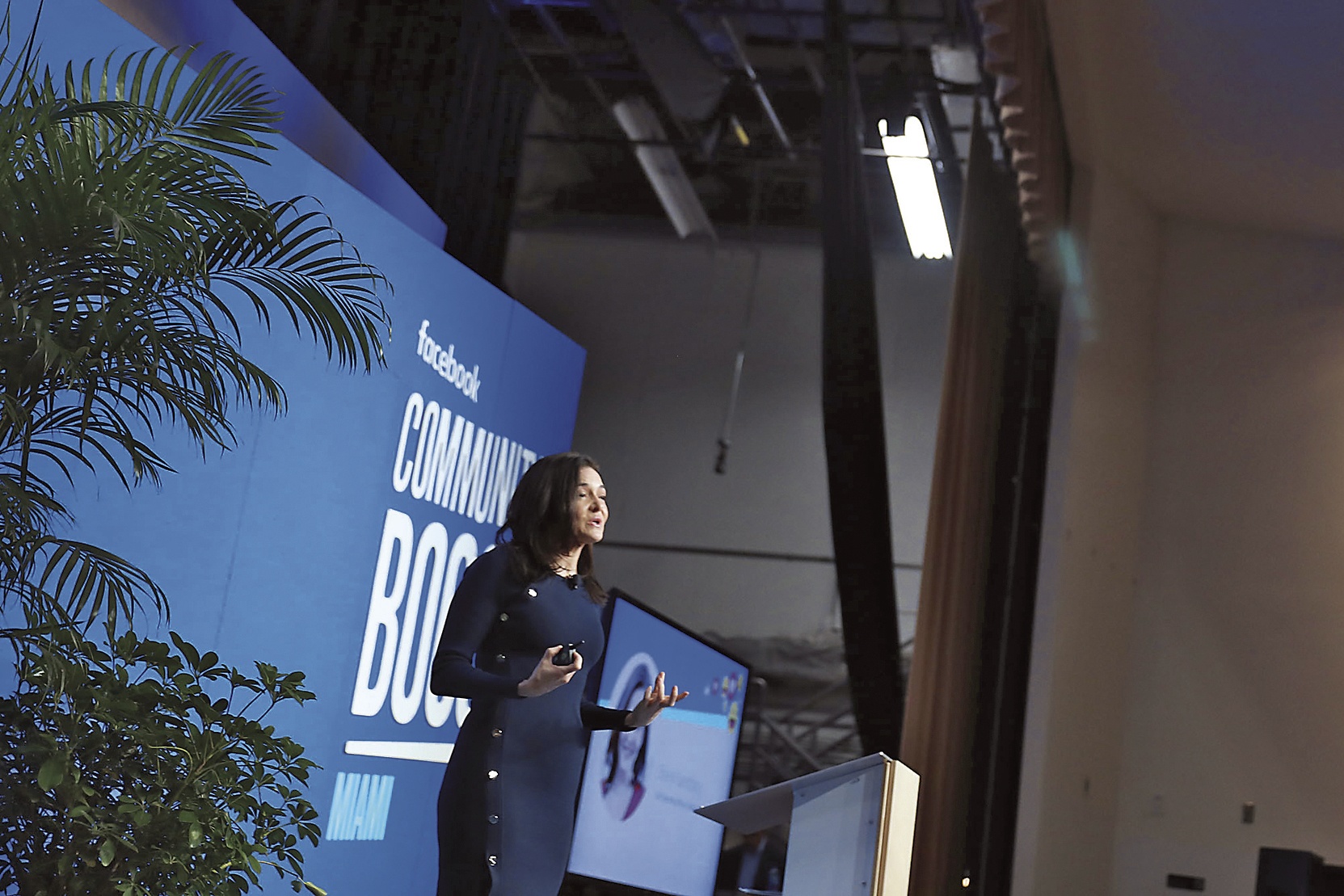
An apology delivered by Sheryl Sandberg, Facebook’s chief operating officer, did little to pacify the organization. By this May, Color of Change was openly calling for Facebook shareholders to vote against Facebook President Mark Zuckerberg’s campaign to become the company’s chairman of the board.
As the audit’s second part has been rolled out (following an initial audit in December, with a final installment due next year), both sides have toned down their rhetoric. Facebook has made it a point to laud Color of Change.
“Rashad and Color of Change have been an important and welcome source of expertise on civil-rights issues,” Sandberg said in a statement. “As a company, we’re in a different place today than we were a year ago — and a lot of that is credit to the continued engagement of the civil-rights community, the civil-rights audit, and leaders like Rashad.”
Not Done Yet
Now, even as Robinson and other black leaders note the recent racial progress cited in the audit and its report — put together with input from 90 civil-rights groups and conducted by Laura Murphy, a onetime leader of the ACLU’s Washington, D.C., office and a longtime civil-rights activist — they are urging the social-media giant to do more.
While expressing satisfaction with Sandberg’s role in making the audit a priority, Robinson says there is more work for Facebook to do regarding moderating hateful content, keeping racial bias out of ads, and minimizing appeals to race during elections and the 2020 census.
But there is more work for Color of Change to do, too.
“Right now we are focused on doing everything we can to build more power and create more accountability,” he says. “The impact on our democracy and economy couldn’t be more clear.”
Despite the mutually kind words, there are no signs that Color of Change is backing off.
“We’re under no illusions. Facebook’s goal is growth, not necessarily equity,” says Brandi Collins-Dexter, senior campaign director at Color of Change. “Black users must be just as significant a consideration as the impact on their potential revenue and market share. We will not rest until that’s the case.”
Michael Anft has written for the Chronicle since 2001, focusing on advocacy groups and the grant makers who support them. He recently wrote about a Muslim leader in Chicago with a deft ability to bring together poor people from diverse backgrounds to work for a better life.