Multimillion Dollar Gift Will Launch Research Center to Examine Extreme Selfishness

By Julian Wyllie
Contributor
April 5, 2019 | Read Time: 2 minutes
Everything you ever wanted to learn about the narcissist next door may be answered with the help from a new major gift.
The Tufts University School of Medicine has announced that it received donated land valued at $10.8 million. The plan is to sell the land to launch a center that will study “excessive pathological selfishness,” with the goal of figuring out what creates extreme self-centeredness. The money will, among other things, fund research and endow a professorship.
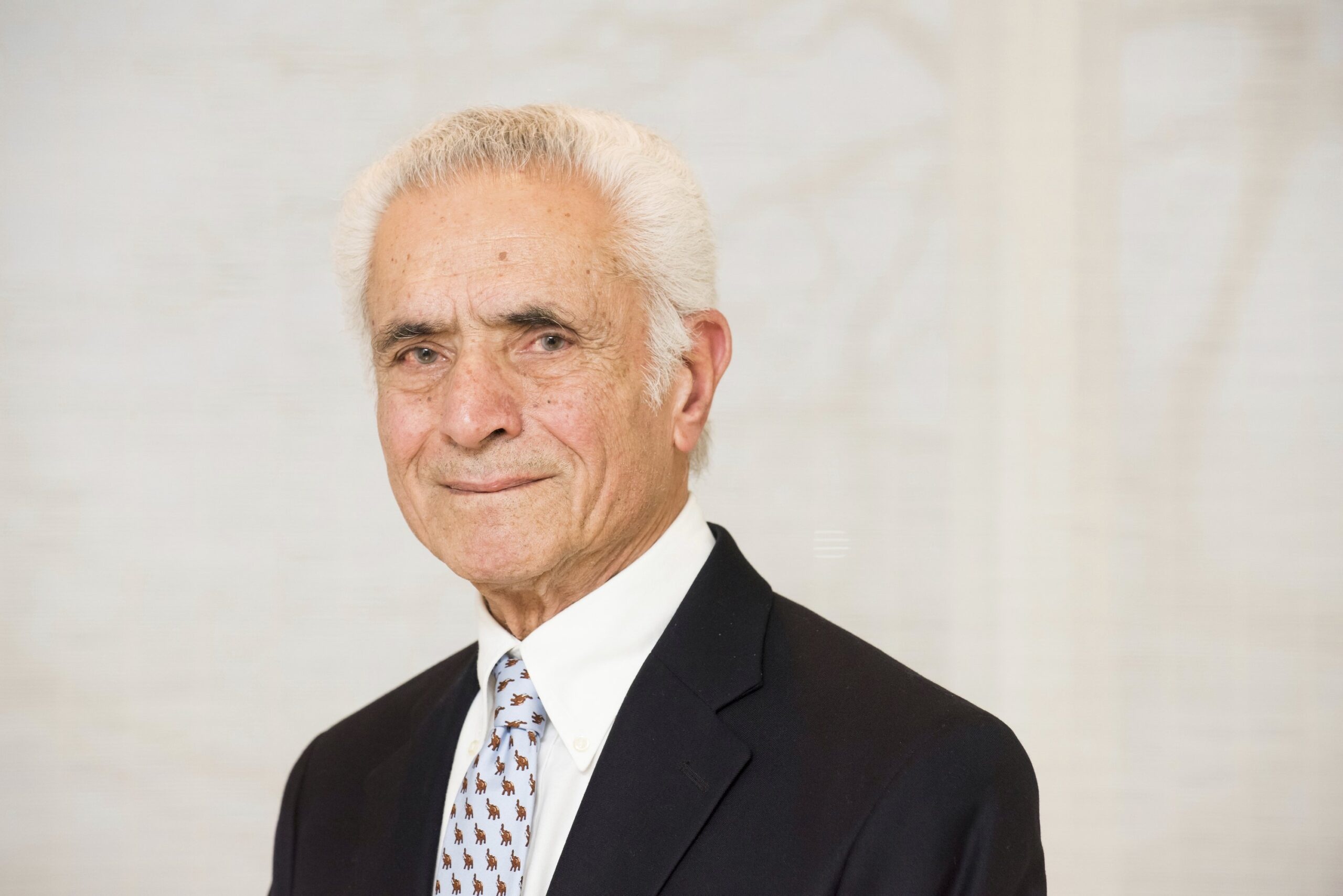
The center’s name will be in honor of the donor, Ghahreman Khodadad, a retired neurosurgeon who grew up in Iran and emigrated to the United States. He is best known in medical circles for developing a type of surgery that improves blood flow to the brain.
When explaining his gift, Khodadad said being a little selfish is normal, if not essential for human survival. The problem is when one’s actions harm greater society.
He remembers being fascinated as a child by what powers the human mind but regrets not following his itch to be a researcher. Now his gift may have a lasting impact on a research field that has sparked several books on the subject.
The wider news and social-media world has labeled this generation one of the most narcissistic of all, allegedly powered by politics, technology, and increasing alienation. But researchers stress that not enough is known yet about the brain for the public to understand the nuances of what’s going on in people’s heads.
“We’re constantly looking at how changes in circuits might lead to pathology in terms of brain structure or, ultimately, behavior,” Philip Haydon, chairman of the Tufts neuroscience department, said in a news release. “That strength is really what we’re bringing to the question that Dr. Khodadad is so excited to answer.”