August 16, 2017 | Read Time: 4 minutes
When Susan Danish started as executive director of the Association of Junior Leagues International in 2003, she inherited an organization whose membership had declined steadily for years. It needed a reboot to hold onto longtime members and attract younger volunteers.
With 292 leagues and 150,000 members throughout four countries, Ms. Danish and other Junior League officials knew change would not happen quickly or easily. They weren’t even sure which changes were needed.
To find out, the organization surveyed about 5,000 current and former members in 2005. The results? Member satisfaction had declined since 1999 (the last time the organization had polled past and present members) in three key ways. Respondents said:
- The volunteer work conducted through local leagues was less meaningful than it had been in earlier years.
- The leagues were not run as well as in the past.
- The membership requirements were too inflexibile, for example in the number of hours women had to devote to the group’s work.
Ms. Danish and her colleagues shared the report’s findings with all of the leagues. Then the organization spent about a year coming up with different scenarios for the next two decades, including how the leagues could adapt to meet members’ needs.
Peering that far into the future raised four questions for the organization’s leaders:
- What is the group’s primary mission and the meaning of its vision statement?
- What kind of membership opportunities work best for women today?
- What forms of governance and management are most effective for today’s leagues?
- How should the umbrella organization relate to its leagues?
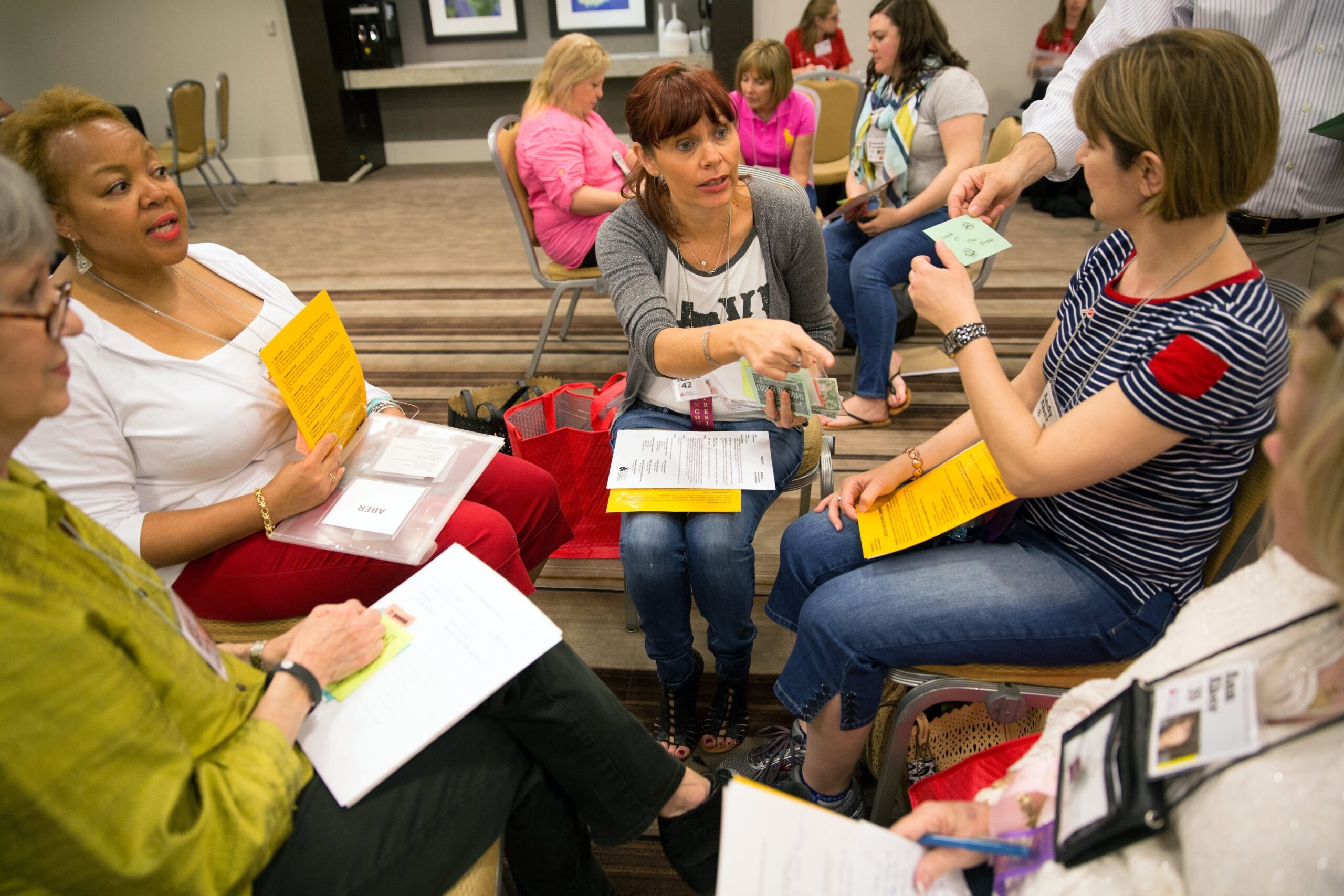
Ms. Danish’s group then created multiple teams made up of members from different leagues who devised answers to those questions and solutions to the problems the report revealed.
The teams then developed and tested new plans simultaneously at different chapters for how to improve the organization’s governance and management, how to update its membership model, how to better help those they serve, and by extension, how to provide a more meaningful experience for members.
For those plans that succeeded, members developed tools and resources so any league could replicate them. The first plan to be developed, tested, and replicated by many of the leagues was a strategy for improving programs and deepening members’ experiences.
The leagues minimized the number of very large projects as well as one-off smaller ones; then they chose one big problem affecting people in their city or town (for example, food insecurity or human trafficking) and created a series of smaller projects to help solve the problem. Many of the leagues also partnered with local charities.
For example, a Junior League in Phoenix decided to address problems related to childhood obesity and collaborated with local nonprofits to create a range of nutrition programs for kids. Projects included cooking classes for diabetes prevention among Native American children living on reservations and a healthy-eating program created with a local Boys and Girls Club.
To update its governance policies, members designed a plan that distributed leadership duties throughout a league rather than relying on a traditional top-down approach. Today more members have opportunities to lead, and accountability is shared more widely. Each league’s trustees can focus on planning for the future, and a separate management team handles current concerns.
Finally, the new membership requirements give volunteers flexibility. Previously, a volunteer had to devote a specific numbers of hours to the league each year to retain her membership. If a new baby or an ailing parent prevented that, she had to resign. Today members can give the league more or less time depending on their other commitments and needs.
Ms. Danish points out that the entire process — conducting and analyzing the survey, brainstorming and developing plans, and rolling out new procedures — has taken a decade and remains a work in progress. Just under 60 percent of the leagues have adopted changes.
“We’re a federated model, and each league is its own 501(c)(3), so they can do these things or not,” says Ms. Danish. “Part of this is getting people excited about the future so they do want to do these things.”
Making sure members have been involved in the development and design teams, brainstorming sessions, and other activities throughout the yearslong process have been key, says Ms. Danish, and the time spent has been well worth it.
“People told us they were ready to the leave the league,” she says. “Now they’re telling us they’re going to stay, so it’s engaged our long-term members, and there’s been a lot of learning from millennials to boomers and from boomers to millennials.”