

March 7, 2017 | Read Time: 2 minutes
The College of Engineering at the University of Alaska at Anchorage had a big, embarrassing problem. A central component of the university’s mission is to serve indigenous Alaskans, yet there were only two graduates from the engineering department in that demographic from 1980 to 1995.
Herb Schroeder, a professor at the college, says he interacted with indigenous people regularly through research he had conducted in native villages during those years but “had never met a native engineer.”
He set out to change that. In 1995, he founded the Alaska Native Science and Engineering Program, which aims to get more native students prepared for science careers.
Since then, about 400 Alaska Natives who participated in the program have become engineers or scientists. Two have joined Mr. Schroeder as members of the engineering college’s faculty.
This year the program will serve about 2,500 students, most of them in middle and high school. Undergraduate and graduate college students also participate, joining study groups and professional-development programs, among other activities.
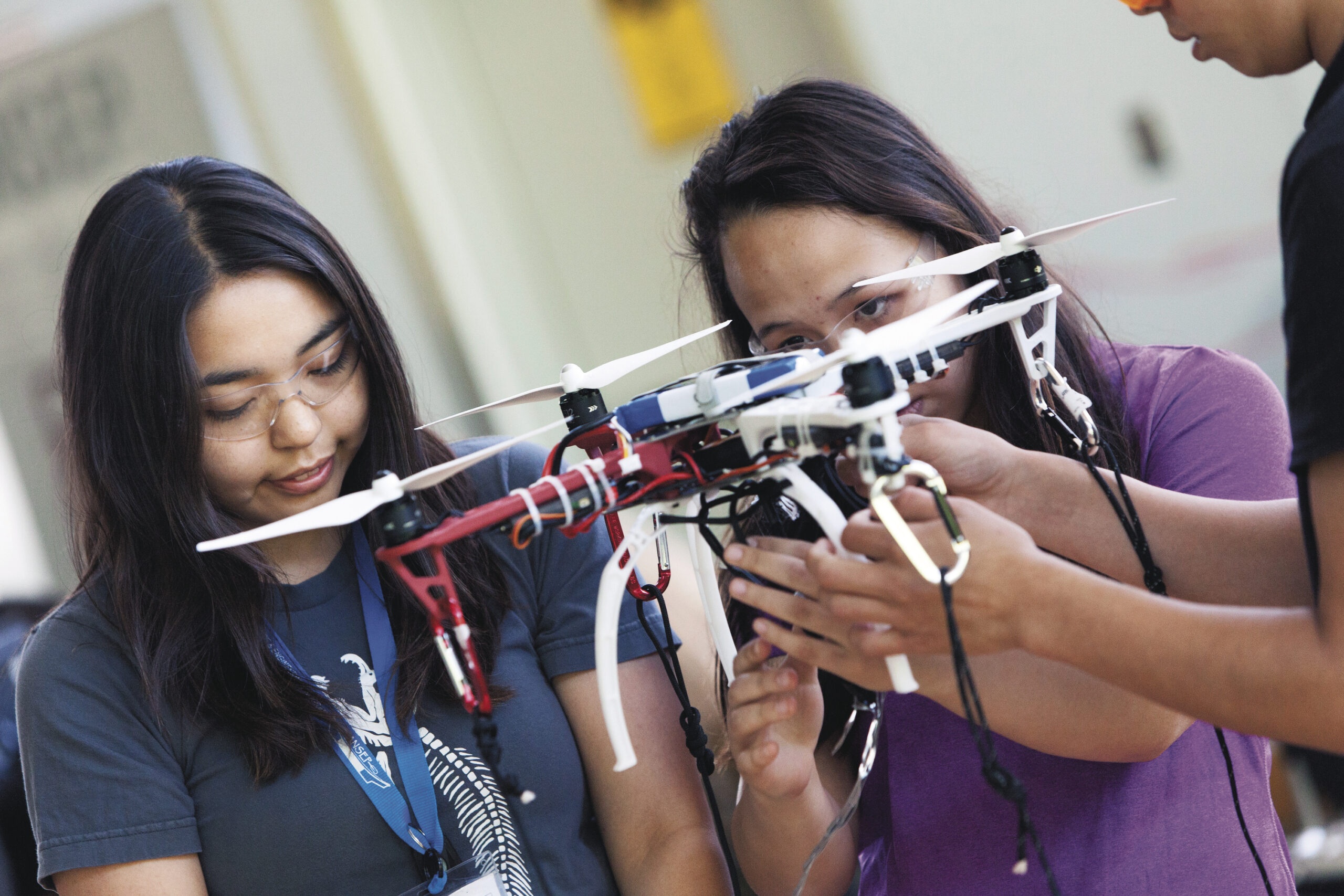
Most middle schoolers in the program will spend two weeks at the Anchorage campus working on science projects, such as building a computer or a drone. High-school students earn college credits through advanced courses during intensive five-week sessions at the college.
This year, the Alaska Native Science and Engineering Program started its own high school in Palmer, Alaska. It currently serves 30 students and has a capacity of about 350. The organization plans to offer a similar high-school program on the Anchorage campus starting in August.
Building self-confidence is one of the most important aspects of the program, which serves a high number of students who grew up dealing with poverty and discrimination.
“The whole thing became a struggle for social justice,” says Mr. Schroeder. “I got increasingly mad when I saw how the system was set up and denying students education and economic opportunities just because they were native.”




