
Take 2: A Charity Fellowship Program Encourages Second Acts in the Nonprofit World

By NICOLE WALLACE
Features Editor
August 31, 2015 | Read Time: 2 minutes
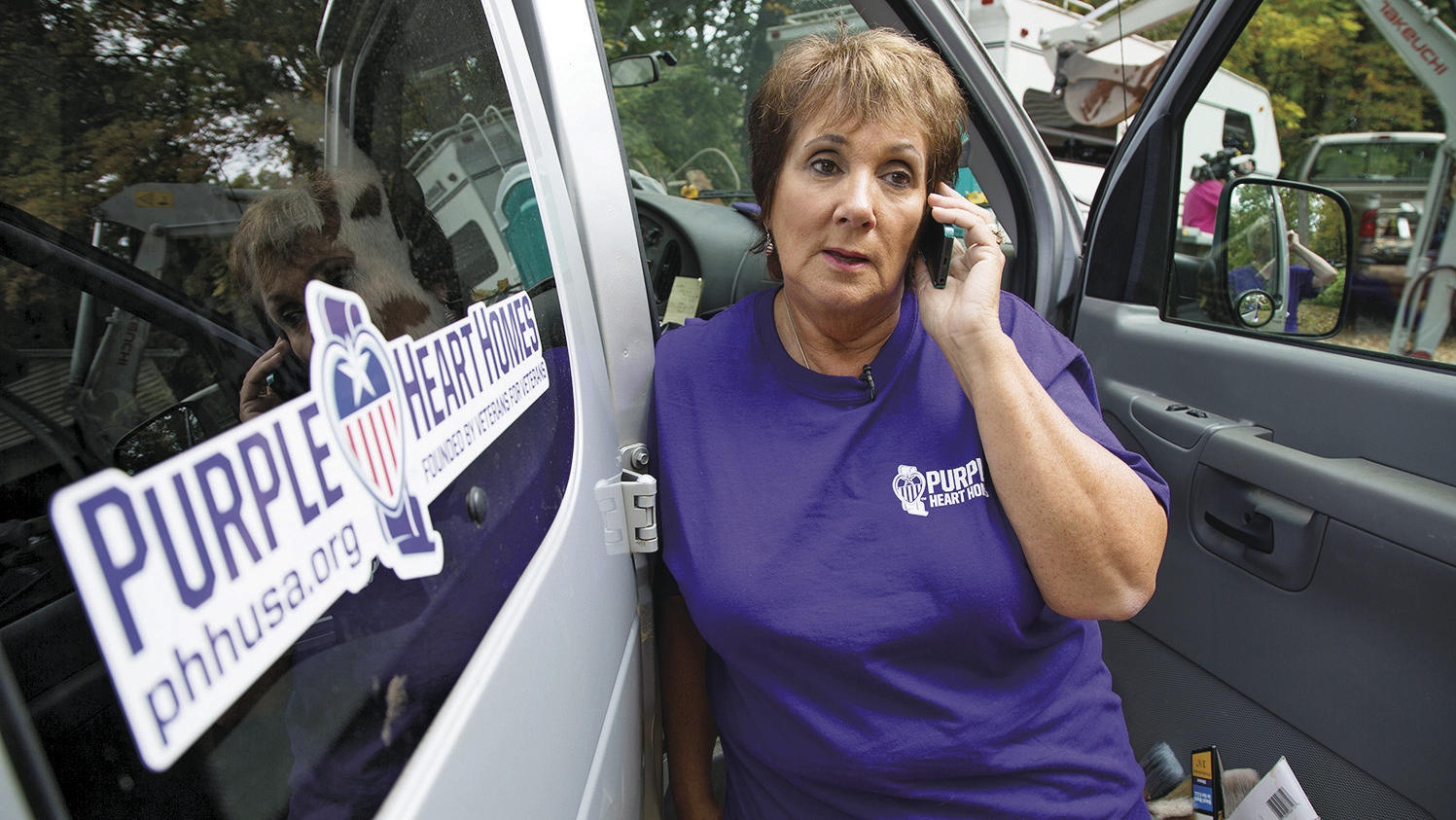
Vicki Thomas was in her kitchen cooking when she heard a news story about Dale Beatty and John Gallina, the two combat veterans who founded Purple Heart Homes. She was so inspired she cold-called them, offering to put her experience and contacts from a long career in marketing and broadcasting to work for the fledgling nonprofit.
And just like that, she traded in retirement for punishing days helping the organization raise its profile, increase fundraising, and start a new program to help wounded veterans buy their own homes. That was 2010; she volunteered her time for two years, then became a paid staff member. Ms. Thomas (above) is now 69 and has no plans to slow down.
“Retire means to go away,” she says. “I am not going away anytime soon. Carry me out on a flip chart.”
A Springboard
Encore.org wants to put more Vicki Thomases to work for social good — and it thinks making the transition to a second act in nonprofits easier could open up more higher-level jobs for younger employees.
Through its Encore Fellowships program, founded in 2009, the organization has placed 650 retirement-age professionals in one-year, half-time fellowships at nonprofits — essentially paid internships for the AARP set.
Encore hopes the experience will serve as a springboard to a second act in the nonprofit world.
So far, most of the people who have been fellows have come from business, but Marc Freedman, Encore’s founder, thinks charities would benefit from more nonprofit workers participating as well.
He believes that career pathways, like the fellows program, that allow older nonprofit workers to move out of their current position but continue to serve would reduce the frustration felt by younger employees who feel their careers are in a holding pattern because there aren’t open positions for them to move into.
“This idea that the choices are hanging on [to your job] or the abyss does lead to conflict,” says Mr. Freedman. “What we need are better opportunities for people who’ve spent long careers in the sector, not just senior leaders, to shift to new roles.”
Encore has its sights set on an even more ambitious goal. Next year it plans to launch a campaign to recruit 2 million older adults by 2020 to fight inequality by serving as mentors and tutors for vulnerable young people.
Children need caring adults who have time, patience, and wisdom to share, says Mr. Freedman: “An army of grandparents.”





