
$25-Million Settlement Puts Spotlight on Veterans Charity Fundraising

By SUZANNE PERRY
Contributor
July 14, 2014 | Read Time: 6 minutes
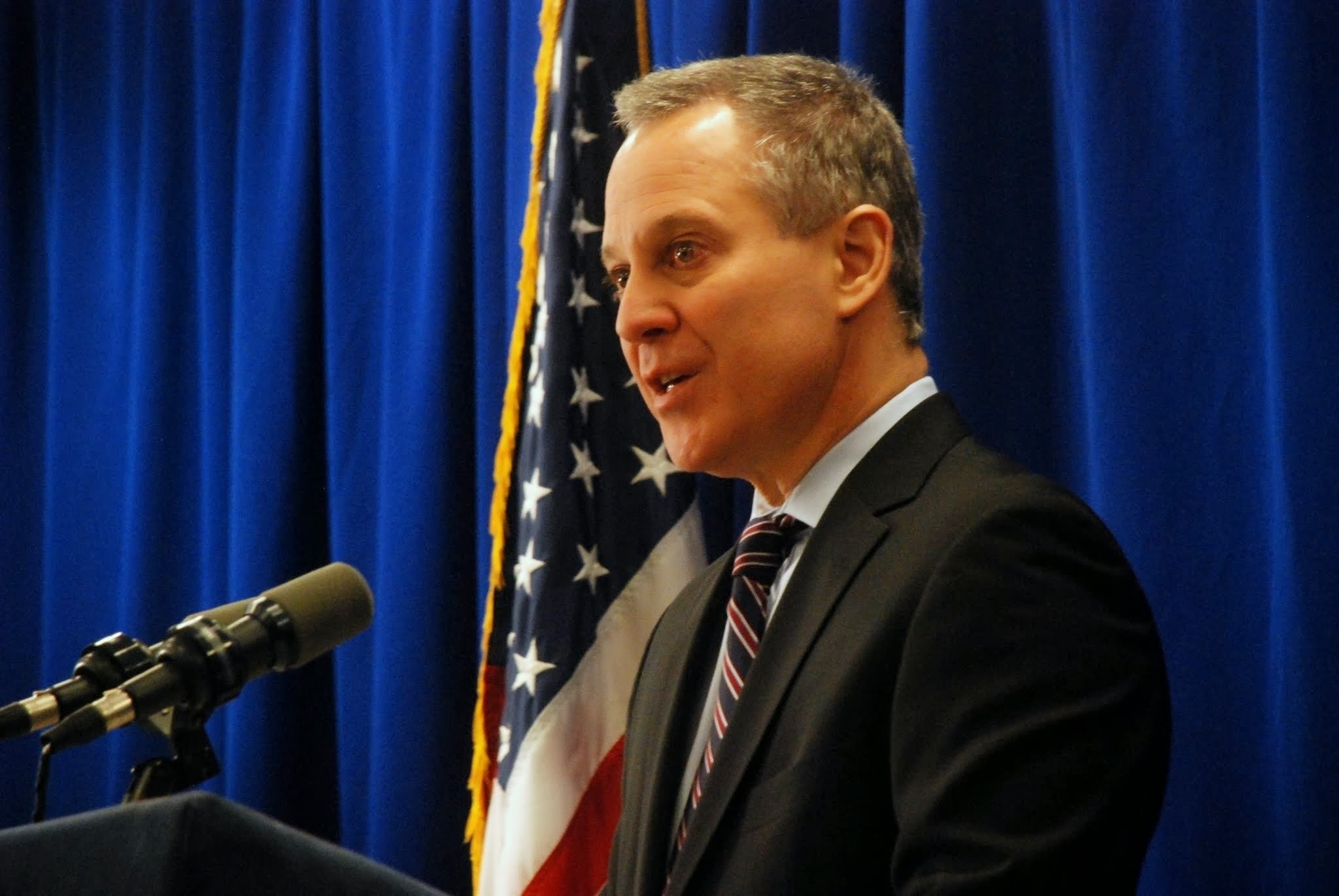
A $25-million settlement announced this month by the New York Attorney General’s Office in an investigation of a veterans charity and fundraising abuses by its direct-mail vendors has lifted a veil on the kind of practices that undermine public trust in the charitable world.
Some of the activities outlined by Attorney General Eric Schneiderman would have been obvious to anyone who paid close attention to the charity’s financial records: It was deeply in debt and spent most of the cash it raised on for-profit fundraisers. But other problems, including several major conflicts of interest, were harder to see.
The bottom line is that the Disabled Veterans National Foundation, capitalizing on public sympathy for wounded veterans, raised more than $116-million from 2007 through the end of 2013 by sending letters with “premiums” like address labels and calendars.
It acquired almost 3 million donors who responded to wrenching stories about veterans like “Arnie,” who suffered major injuries after his vehicle was hit by an improvised explosive device in Afghanistan.
But almost 90 percent of the donations, a total of $104-million, went to outside vendors. And “Arnie” was fictitious.
The attorney general put most of the blame on the vendors—especially Quadriga Art, a direct-marketing company in New York, and its affiliates—accusing them of influencing an “unsophisticated charity.”
A Charity in Debt
Problems with the veterans charity have been in the spotlight since 2010, when CharityWatch, a ratings group, warned that DVNF was in hock to its vendors. CNN aired stories that year and in 2012 about the small amount of money the charity was channeling to veterans. The reports sparked a Senate Finance Committee investigation, but it went quiet after some initial inquiries.
DVNF attempted to deflect criticism by noting that a prominent philanthropy professor, Richard Steinberg of Indiana University-Purdue University Indianapolis, had endorsed its fundraising activities. Mr. Steinberg issued an expert opinion in 2010 arguing that as a start-up, it made sense for DVNF and the groups it worked with to spend heavily to recruit donors, because it was likely to pay off in the long run.
But the charity accumulated $13.8-million in debt. Mr. Steinberg said he was unaware of some details when he conducted his analysis; for example, that a Quadriga agent, Larry Rivers, was paid $2.3-million in undisclosed commissions based on the net dollar value of the charity’s business. But Mr. Steinberg said the settlement figures show that the charity’s direct-mail operations were starting to show a surplus.
Upfront Costs
Mr. Schneiderman’s investigation found that the Quadriga entities, including subsidiary Brick Mill Studios, were heavily involved in setting up the veterans group, which was run by five female veterans with no direct-mail experience. The companies agreed to assume the up-front costs of printing, packaging, and mailing the fundraising appeals, which were to be paid back from the proceeds.
The arrangement was negotiated by Mr. Rivers, who served as a consultant to DVNF and whose daughter was hired as the chief administrative officer, the investigation found. Mr. Rivers did not respond to phone calls requesting comment.
The group paid Charity Services International, a South Carolina company, to find donated goods that could be distributed to veterans—items like vitamins, hand sanitizers, and candy, which the board failed to ensure “had any useful purpose at all,” the settlement document says. Charities can count the value of such “gifts in kind” as program costs, which they can then tout to show how much they are spending on their cause, even if none of it comes from cash donations.
Charity Services International, in turn, paid Convergence Direct Marketing, of Bethesda, Md.—a company that advised DVNF on fundraising strategy—commissions for the goods it obtained for the charity .
Under the settlement, the parties neither admit to nor deny the findings. But Quadriga agreed to pay $9.7-million and Convergence $300,000 in damages, which will go to programs that help disabled veterans. Both pledged to change their business practices, and Quadriga agreed to forgive DVNF’s debt. The charity must replace its founding board members, who are also barred from serving in positions of responsibility in any charity that operates or raises money in New York.
Daniel Borochoff, president of CharityWatch, said he wished Mr. Schneiderman had put the charity out of business or further penalized the board members who failed to exercise proper oversight. But he praised the settlement for helping “to make the public aware of what goes on behind the scenes.”
Feeling the Pain
But some fundraising experts worry about the negative media attention. Allison Porter, president of Avalon Consulting, which advises nonprofits on fundraising strategies, reviewed the contract between DVNF and Brick Mill for the Chronicle last year. She said in an email that the New York settlement seems “justified,” but added: “It’s important not to demonize the entire industry.”
Both Quadriga and DVNF are vowing to make fresh starts. “We’re apologetic not only to the industry that’s been embarrassed, but to everybody who’s had to feel pain because of this,” said Mark Schulhof, Quadriga Art’s chief executive. He said Thomas Schulhof, his uncle and a member of Quadriga’s founding family, will step down as board chair because he negotiated the DVNF contract.
Quadriga has paid up-front costs for other charities that spend small percentages of money on programs. One example is SPCA International, an animal-welfare group that CNN also investigated. The charity reported $9.3 million in liabilities in its 2012 tax form. (A charity spokeswoman, Stephanie Scott, said the charity’s liabilities fell to less than $9-million in 2013.)
Mr. Schulhof said Quadriga is tightening up its rules for dealing with such clients, through measures such as ensuring that they do not accumulate excessive debt and that they provide correct information on their tax forms and websites.
Joseph VanFonda, chief executive of the veterans charity since late 2013, said in a statement that he welcomed the settlement, which will “enable us to improve the services we deliver and increase transparency with our loyal donors.” He said the group had hired an experienced fundraiser for a new position of development director.
The settlement required DVNF to sever its relationship with Charity Services International, which doesn’t sit well with Roy Tidwell, who heads the donated-goods company. He said in an email that his company should not have been lumped with the other vendors because it is not involved in fundraising but is a “logistics” company.
Convergence did not respond to requests for comment.
The Direct Marketing Association Nonprofit Federation opened an ethics investigation into Quadriga, one of its members, in 2012. But the matter was put on hold once the association learned that the company was in settlement talks with New York, Senny Boone, the group’s general counsel, said in an email. Partly in response to the Quadriga case, the association last year adopted, for the first time, a set of fundraising guidelines. They call for nonprofits to spend a majority of their annual revenue on programs and establish rules for ensuring that contracts between charities and their commercial partners are fair and transparent. “Quadriga agreed to abide by these as part of our process,” Ms. Boone said.





