
New Books Offer Tips for Data-Driven Fundraising; a Nun’s Tales of Activism

By Caroline Bermudez
Contributor
June 16, 2014 | Read Time: 2 minutes
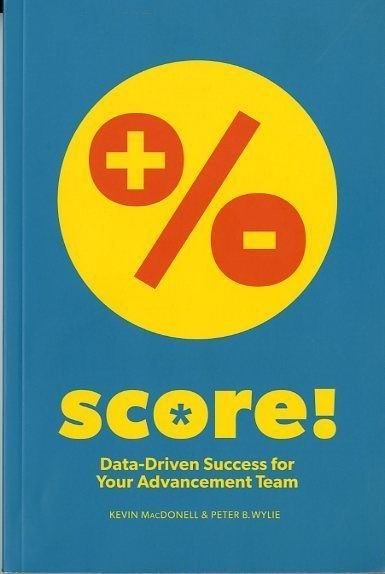
Nonprofits are too slow to use data as part of their operations, despite its increasing importance, cautions the book Score! Data-Driven Success for Your Advancement Team, written by Kevin MacDonell, a fundraiser at Dalhousie University, in Halifax, Nova Scotia, and Peter Wylie, a data analyst.
To help fundraisers make the transition, the book explains how to recruit people with the right analytical capabilities. Institutions are urged to hire internally, if they can, to save time and resources, while stressing aptitude over a list of skills. Fundraising offices don’t need people with vast technical knowledge, the authors write. They guide readers through basic terms involved in data analysis, what variables to examine, how to build data files, and what math skills (not much beyond the reach of most fundraisers) are required. The book includes case studies of how nonprofits mine data to attract new donors and how they figure out whether a donor is likely to make a big contribution based on the telephone contact with a fundraiser who calls seeking an annual-fund gift.
Fundraisers who want to learn more about effective use of data should simply dive in, the authors say. “Seek out any sort of data-related problem or projects you can find in your current employment, and learn just enough to make some progress,” they write. “Any exposure to real-world data and its messy problems will be good experience.”
– – –

Sister Simone Campbell, a lawyer and the executive director of Network, a nonprofit social-justice advocacy organization, has written a memoir about her decades-long career working on causes to benefit needy people.
She gained attention in the summer of 2012 when she and a group of Catholic nuns rode across the country on a bus to protest cuts to social programs for low- and middle-income people proposed by Rep. Paul Ryan, Republican of Wisconsin. The campaign drew national media attention and was a key reason she was asked to speak at the Democratic National Convention. She conducted a similar effort the next year to push for changes in immigration laws, meeting with other faith-based groups, lobbying politicians, holding press conferences, and giving interviews.
Sister Campbell, who wrote the memoir with help from David Gibson, says she was aided greatly in those campaigns by local orders of nuns who work at social-service organizations, and she organized her tours to focus on important congressional districts with large contingents of nuns. But she also reached out to people who were not religious. A supporter at the Center for American Progress, a think tank in Washington, helped make introductions that led The New York Times to write about the 2012 bus trip. Sister Campbell writes: “Those unseen laborers, and their unseen prayers for us—and by us for them—were the reason why the Nuns on the Bus became a phenomenon.”




