
Collecting Data From Day One
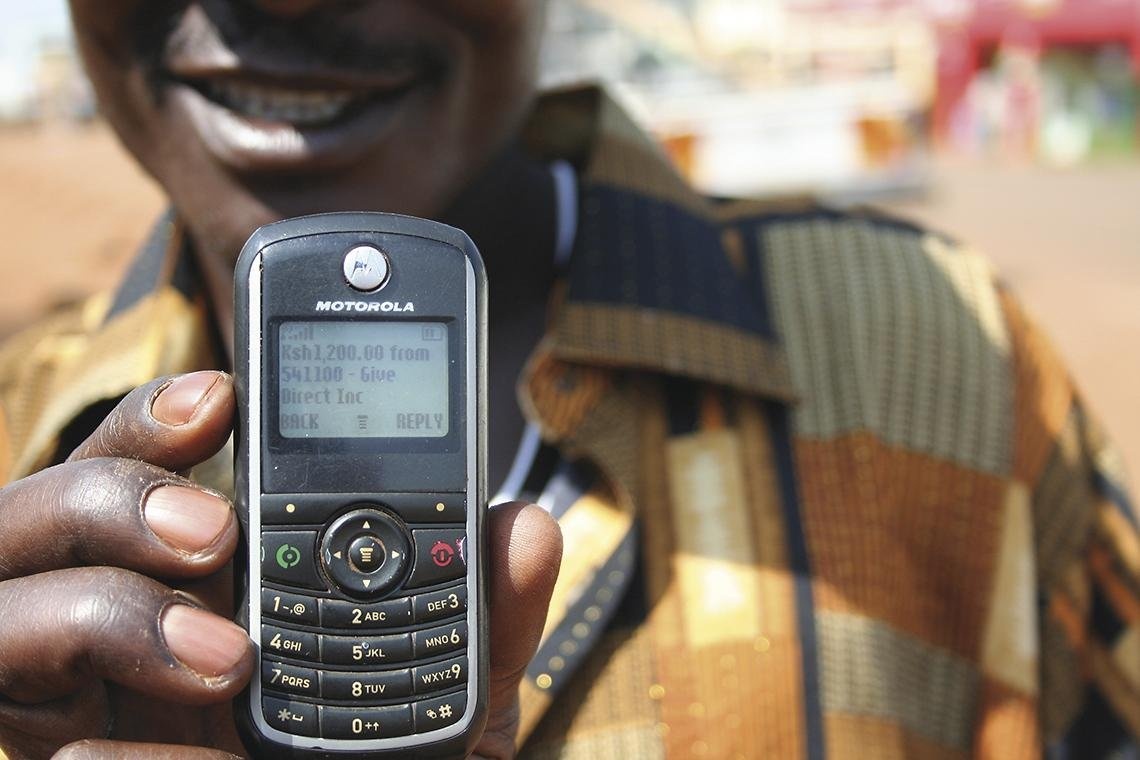
The antipoverty group GiveDirectly, which provides cash to poor people in Kenya and Uganda to use as they see fit, hired an independent evaluator from its very first days of operation to figure out whether the people it aided did better than those in a control group, who received no assistance.
What the group learned: Compared with people in the control group, the participants increased their assets by 58 percent, and their children were 42 percent less likely to go entire days without eating.
Data at Work: Testing a New Idea
 International Development Enterprises, an aid organization, wanted to know if providing loans would encourage more people in rural Cambodia to buy low-cost latrines to improve sanitation in their villages. It conducted an experiment in 30 similar villages, offering loans to people in half of those communities while telling people in the remaining 15 villages they had to pay cash to buy latrines.
What the group learned: Fifty percent of the people purchased a latrine when they could use the loan to pay for it, but only 12 percent bought one when paying by cash was the only option.
Never Stop Measuring
 The Nurse-Family Partnership, which sends nurses to visit vulnerable, low-income women during their first pregnancy and until a child turns 2, already knows that its approach works, thanks to three randomized control trials with positive results. But the charity continues to comb through the information its nurses record about the home visits, to keep improving the program.
What the group learned: In several cities that did well in keeping women involved in the program, the nurses took photographs of the babies and then promised to give the mothers prints during the next visit, giving the women an incentive to continue.




