
Formal ‘Lending Circles’ Help Immigrants Build Credit and Improve Their Lives
A creative way to help people gain access to the financial mainstream

By NICOLE WALLACE
Features Editor
March 24, 2013 | Read Time: 4 minutes
Lending circles are a common fixture in immigrant communities. Members of a lending group put a set amount of money—say, $100—into a common pool each month and then take turns receiving the monthly proceeds. The circles are a popular way for people who are apprehensive about banks or have little access to them to save and lend money to one another.
Mission Asset Fund, a charity in San Francisco, has figured out a creative way to formalize those relationships and report the monthly payments to the credit bureaus as a way to help people build or establish credit and gain access to the financial mainstream.
The lending-circle program builds on what people are already doing, says José Quiñonez, executive director of the Mission Asset Fund.
“We can make this better by making it a visible financial activity to the financial institutions so that they can get credit for that activity,” he says. “Before it was invisible, so it was ignored.”
A Way to Build Credit
The program’s success is attracting attention outside the Bay Area. The Mission Asset Fund has developed an innovative franchise approach, which is helping 15 nonprofits in six states run credit-building lending circles for their clients. And in September, the new Consumer Financial Protection Bureau appointed Mr. Quiñonez to serve as chairman of its Consumer Advisory Board.
In the five years Mission Asset Fund has run the program, participants have lent one another $1.7-million. During that time, only a handful of people have defaulted, according Mr. Quiñonez.
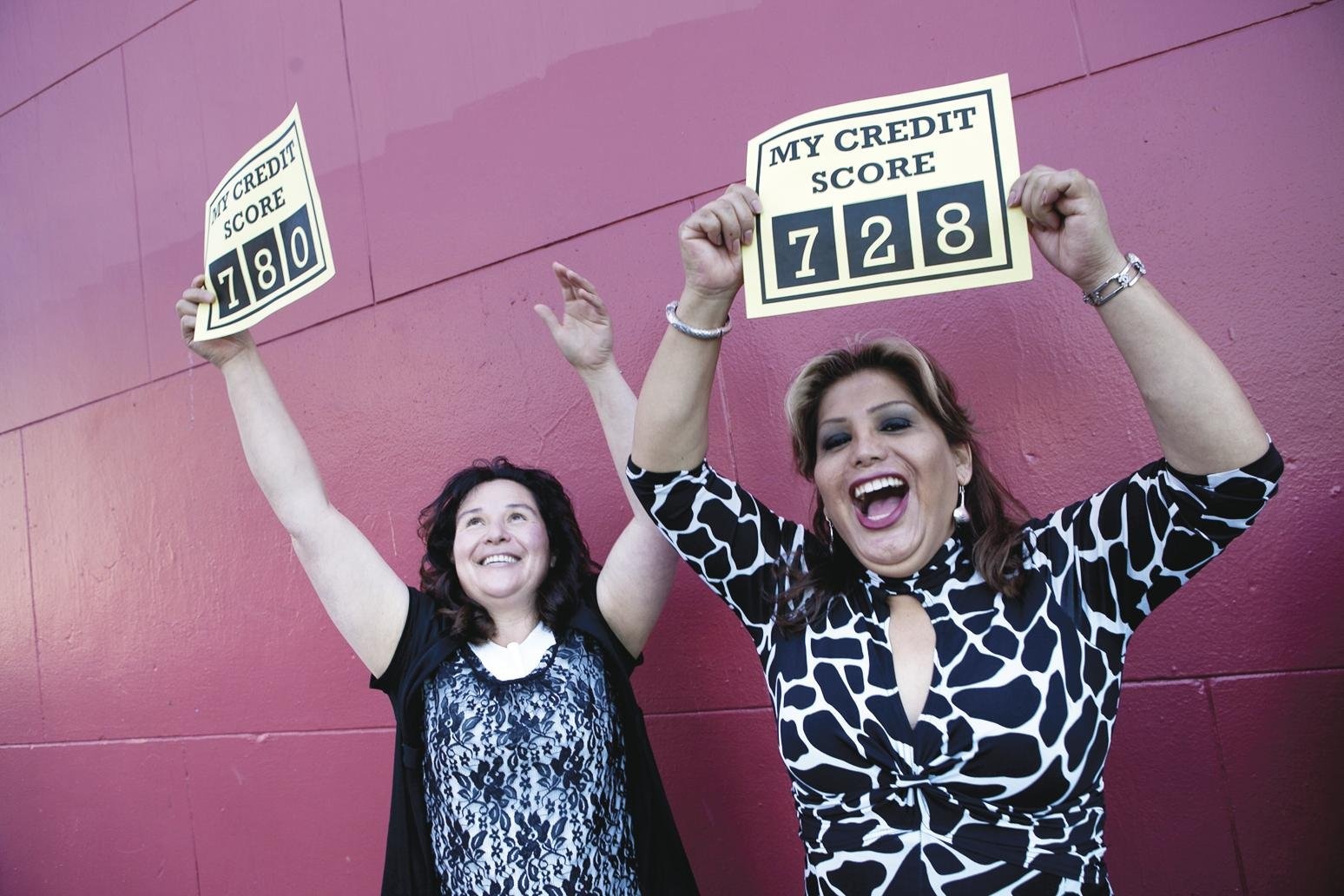
After a year, participants increase their credit scores by an average of 30 points and add an average of three accounts to their credit histories.
The additional accounts are important, he says, because banks and mainstream lenders are the institutions most likely to report to the credit bureaus: “These are all huge indicators that we are actually helping people move from the fringe.”
Poor Credit
The consequences of poor credit can have a crippling effect on people’s economic lives and make it even more difficult to climb out of poverty.
With a low credit score or no credit history at all, low-income people pay more for goods and financial services, says Vikki Frank, executive director of Credit Builders Alliance, a nonprofit in Washington that works with Mission Asset Fund to report payments to the credit bureaus.
Getting a cellphone often requires a deposit, she says. Some landlords won’t rent to people with low credit scores or require them to pay higher-than-usual deposits.
And without access to a credit card—which acts as a zero-interest loan when paid in full each month—people with poor credit often turn to high-cost payday lenders for short-term loans.
“It’s very expensive to be poor in this country,” says Ms. Frank.
Making It Formal
Participants in Mission Asset Fund’s lending circles decide together the amount of money they will contribute monthly and who will get each month’s payments, much as they would in an informal circle.
But they also sign a promissory note and program agreement, which formalize the arrangement and allow Mission Asset Fund to collect the payments and report them to the credit bureaus. The organization also requires participants to attend financial-management training.
For financial education to change people’s behavior, it needs to be tied to a real-life financial activity like participating in lending circles, says Mr. Quiñonez.
“Adults learn by doing,” he says. “Adults don’t learn anything by sitting in a classroom and taking notes and being quizzed at the end.”
‘It Opened My Eyes’
Members of the lending circles use their loans in a variety of ways: to pay down debt, buy equipment for a business, or make a deposit on an apartment. Others have been able to use their improved credit to gain access to a car loan or business loan.
Jaime Aragon used the money to pay a tax bill. He says that being part of the program has helped him gain confidence about managing money.
“It opened my eyes to ways of dealing with my finances that I wasn’t using before or had some resistance to,” says Mr. Aragon, who started using online budgeting software and opened a checking account that allows him to set up automatic deposits to his savings account. “It just made the concepts more accessible.”
Mission Asset Fund has created special lending circles for people who are saving money for the fees to apply for citizenship or for deferred action on deportation for young people who entered the country illegally as children.
The group is also thinking about ways to apply its approach to help young people who are aging out of the foster-care system find their financial footing.
Too many nonprofits think about poor people from a “deficit perspective” or as “broken,” says Mr. Quiñonez. He says Mission Asset Fund owes its success to starting with the belief that everyone has something to offer.
For participants in the lending circles, knowing that it’s their money that drives the program is extremely empowering, says Mr. Quiñonez: “People start walking around with their chins up in the air, with a little spring in their step.”





