September 16, 2012 | Read Time: 2 minutes
Most Americans think of baseball as it is played now, in 50,000-seat stadiums by Major League teams with nine-figure payrolls.
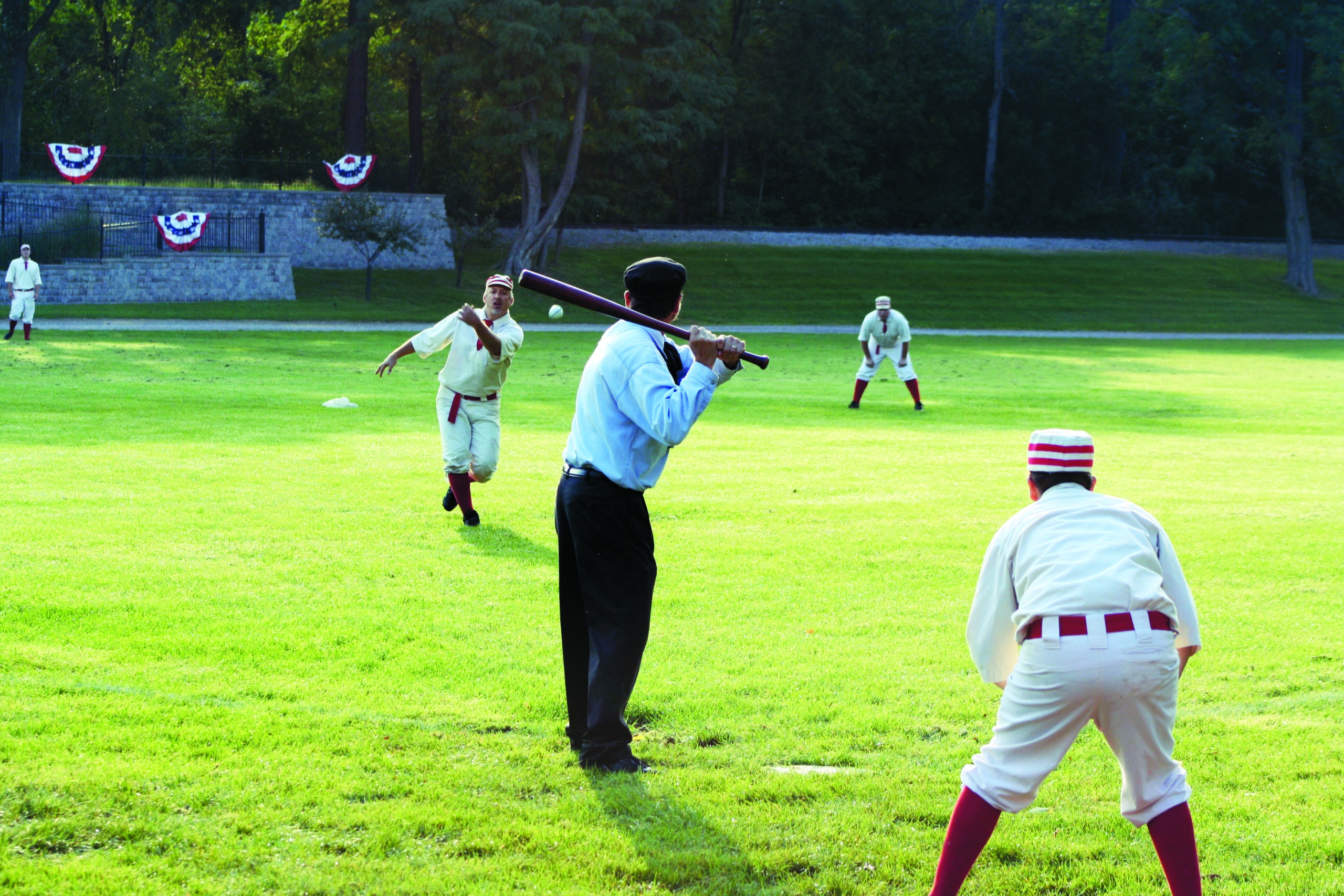
That’s all pretty far removed from the cow pastures and village greens where the sport was born before the Civil War. Keeping this rustic version of hardball alive is the goal of the Vintage Base Ball Association, a charity in suburban Detroit that promotes and celebrates the way the game was played—and spelled—in its formative years in the 19th century.
“The game of baseball has its roots in American history, and it’s engrained and interwoven in the American fabric,” says Scott Westgate, the organization’s president. “We wish to re-create the way the game was meant to be played because of its historical significance. There is just something charming and alluring about it.”
Some of the old-school rules and methods might raise the eyebrows of modern-day fans. None of the retro players wear gloves, for instance. They pitch underhand, and a batted ball caught on one bounce is an out. The umpire, who today rules the diamond, had only a bit part back in the game’s earliest days, on hand mostly to call foul balls. The players themselves police the game and settle disputes on the bases. Cussing and spitting? Not in these games.
“Gentlemanly behavior and manners were paramount to the Victorian Age ball player,” Mr. Westgate says. “The game was meant for exercise and camaraderie—a way to get to know townsmen from the neighboring village. But more and more, competitiveness took over, rules became more important, and umpires took more active roles.”
Mr. Westgate pitches for the Rochester Grangers, the re-creation of a Michigan team by that name active in the 1860s. It is one of 75 of the association’s member teams who operate in 25 states and play at least six times a year. Games are often held in fields adjacent to local history museums. Though some vintage contests have been played in professional ballparks, such manicured spaces were unheard of in the early days.
The association’s annual budget of around $5,000 comes entirely from dues that teams pay to join, though Mr. Westgate is considering seeking grants to help him give the old game greater exposure.