

May 24, 2012 | Read Time: 3 minutes
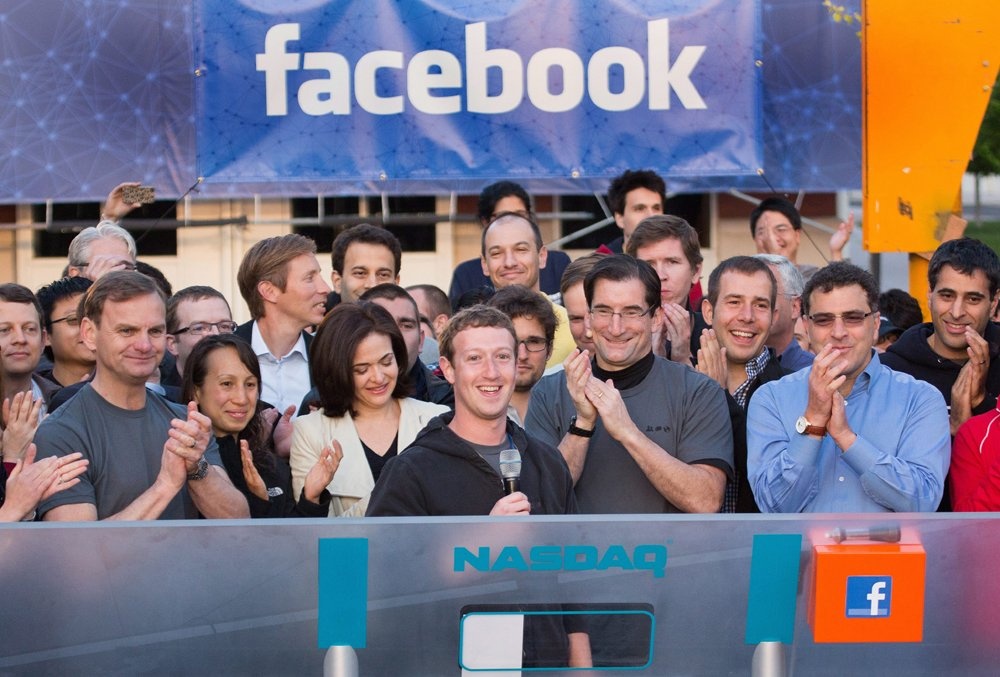
Facebook’s initial public offering last week—even with all its Wall Street drama—had a powerful side effect. It created about 1,000 new millionaires—mostly young entrepreneurs who joined the company to help shape a start-up and ended up changing the world.
They represent a new wave of people with the smarts, and now with the resources, to make a difference. They have the opportunity to invest not just in innovative new products and services that create private wealth but also in philanthropic efforts to advance the public good.
It’s time for the technology entrepreneurs to think about another kind of IPO, an initial philanthropic offering.
What would undergird this IPO is a call for leadership. As the world changes, so must philanthropy, but it will take additional voices and resources to chart the path forward.
The Census Bureau just announced that white births are no longer the majority in the United States. The change in the birth rate signals an emerging transformation in U.S. demographics: In 30 short years, America will be a country in which blacks, Hispanics, Asians, and others are the majority.
This is a major milestone, but it also forces us to put a spotlight on the disparities that disproportionately affect these groups, such as poverty, unemployment and high dropout rates. It’s becoming even more important to work hard to solve these problems together—so that our new majority can thrive and help make our society stronger.
As the nation grows more diverse, America’s newest philanthropists must think hard about how to be inclusive in their grant making. That means ensuring resources are distributed equitably and actively seeking to include people who have historically received a smaller share of philanthropic dollars, such as ethnic and racial minorities, women, lesbians and gays, and people with disabilities.
Donors should always give to people and causes that matter to them. But today’s new millionaires should think about how to reach everyone in the communities or causes that they want to influence. Philanthropy is about making a difference and investing scant dollars wisely so the maximum number of people will benefit. By leaving out certain groups of people who live in a community that a donor hopes to improve philanthropists limit their impact.
To make sure that doesn’t happen, it’s important to seek out diverse trustees to fill foundation boardrooms. By considering varied perspectives, donors can develop the smartest and most effective strategies to achieve their goals—and the more diverse the board, the easier it will be to get access to the people and institutions who can help turn ideas into reality.
The next step is to make sure grant dollars get to the people who need them most or who have the potential to make the greatest impact. That can be a difficult task, but plenty of advice is available from talented donors who work closely with minorities, philanthropic associations, and funds that specialize in grant making to minorities.
The new Facebook philanthropists can accomplish so much. They have already made an indelible mark on the world by building a social network that has changed the way people communicate—not just by transforming how friends engage with one another but also by helping to facilitate revolutions n Egypt and elsewhere.
I urge them to use their new wealth to change the world by becoming leaders of a new type of philanthropy—one that reflects our changing national makeup, strives for equity in allotting resources, and includes all people in shaping the decisions that affect the future, locally, nationally, and around the world.





