May 21, 2012 | Read Time: 2 minutes
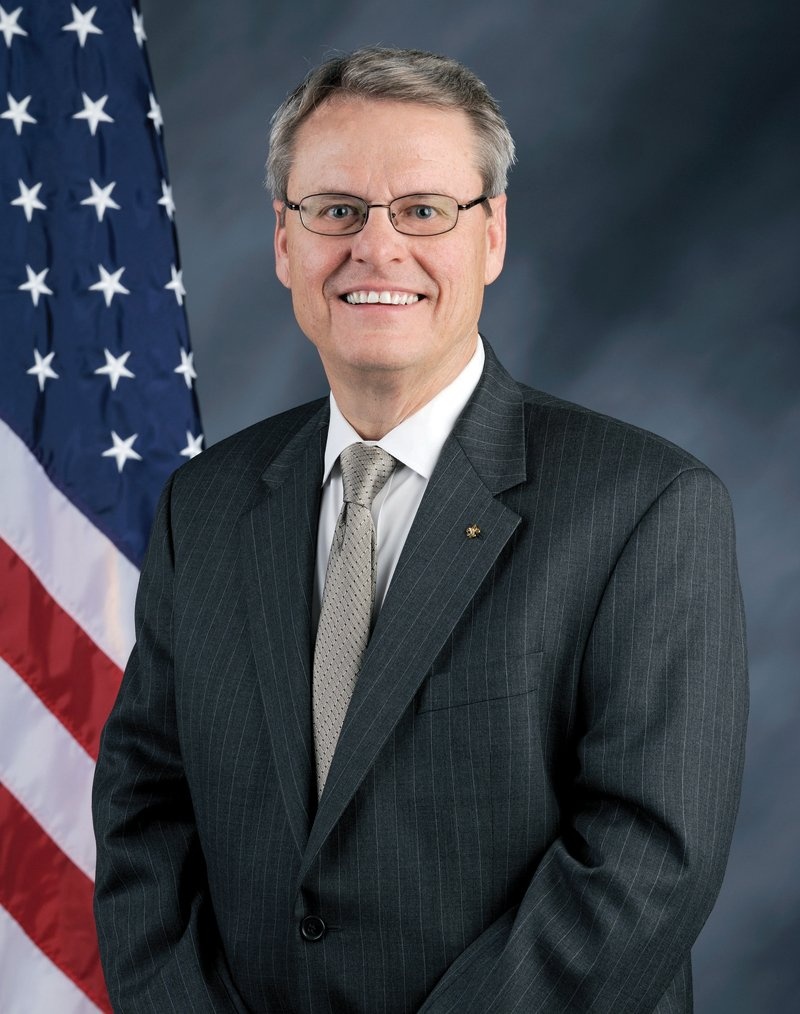
The Boy Scouts of America announced today that Wayne Brock, its chief operating officer, will lead the 102-year-old organization.
He succeeds Robert Mazzuca, who is retiring at age 65 per the charity’s bylaws.
At age 63, Mr. Brock, who will take over in September, is approaching the age limit for chief executives. But Wayne Perry, a businessman who has been named the organization’s national president and who served on the hiring committee that selected Mr. Brock, said trustees would vote to make an exception to the bylaws so Mr. Brock could serve until he is 67.
In an interview with The Chronicle, Mr. Brock said he would focus on increasing the group’s membership in the short time he has.
“What that does is put pressure on me to do it faster and not waste any time,” he said.
Mr. Brock began his career with the Boy Scouts in 1972. He started as a district executive, an entry-level position overseeing recruitment and management of Boy Scouts programs in a single county or two. He worked as director of the southern region before becoming chief operating officer in 2009.
“The Boy Scouts is a tremendous organization, and we know it makes a difference in the lives of our kids,” said Mr. Brock, who was himself a Scout beginning at age 8. “We have a better nation because of the Boy Scouts.”
Recruitment Goals
Mr. Brock said his biggest challenge will be recruiting future Scouts. His predecessor prioritized efforts to market the organization to minority groups, Latinos in particular. The Boy Scouts has also started awarding merit badges for 21st-century skills, like robotics. Mr. Brock said he will build on that work.
Meanwhile, the group’s fundraising has been strong. In 2010, it raised $425-million from private donors, more than all but 30 nonprofits. A campaign for a new high-adventure park in West Virginia has attracted a number of large gifts and nearly reached its initial goal of $327-million.
But the organization continues to face criticism over its exclusion of gay people. Mr. Perry said in an interview that the charity would not revisit that policy.