
Nonprofits Need to Get Smarter About Using Social Media, Say Authors

By Caroline Bermudez
Contributor
April 1, 2012 | Read Time: 4 minutes
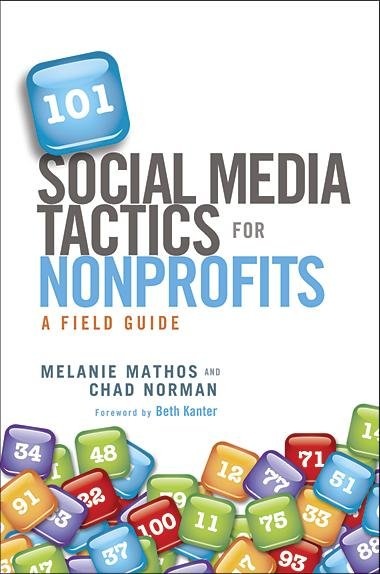
With an abundance of social-media tools now available, nonprofits need to figure out how to best use them to advance their goals, say Melanie Mathos and Chad Norman, social-media experts at the Blackbaud fundraising-software company, in their new book, 101 Social Media Tactics for Nonprofits. In an interview with The Chronicle, Ms. Mathos and Mr. Norman offer advice:
How do you avoid exhaustion given the availability of so many social-media tools?
Ms. Mathos: It’s “shiny new toy syndrome.” You don’t want to spread yourself too thin to where you’re not delivering value in each of the most important channels, which of course is determined by your demographics, your strategy, and your objectives of what you want to accomplish.
It’s not the platform, it’s what you’re delivering on it and to whom.
Mr. Norman: Setting out a clear strategy and goals is the first place to start. It’s a good idea to have a social-media calendar.
Make sure your updates and activities map back to your strategic goals.
What mistakes are you seeing?
Mr. Norman: A lot of activity with no real purpose.
Ms. Mathos: Treating all platforms the same. They’re all very unique and they all have very unique audiences, so tailoring the message is key. People just broadcast the same things using these tools that can update everything at the same time, which can lead to community fatigue and people unfollowing you; approaching social media as a silo—not incorporating it into your overall marketing plan.
Authenticity is a quality often prized in social-media use. How can nonprofits achieve that?
Mr. Norman: Honesty is a big one—when you can tell the updates are being written from a perspective of transparency; showing personality, showing there’s people behind the brand.
A lot of Twitter streams, in particular, fall flat when it’s very corporate speak, very dry. Casual language is good, acronyms are good. Speaking how the community speaks can go a long way to making it feel like an authentic account.
Ms. Mathos: Real-time updates with videos and photos, not overly produced content. Anything opposite of marketing you can think of.
Mr. Norman: If somebody asks you a question on Twitter and even if they have eight followers and you have 80,000 followers, you should probably still respond back to them. That shows a lot of authenticity.
You’re seeing your supporters as equals, not as weighted. It’s people, not brands.
So, social media involves unlearning marketing?
Mr. Norman: A lot of social-media managers are having a lot of successes because they’re going with their gut. They’re letting their personalities out. That’s very counterintuitive to a traditional direct-mail or Web site approach.
Which nonprofits are at the vanguard in the use of social media?
Ms. Mathos: The Humane Society and National Wildlife Federation. PETA’s huge on gaming and video. The Red Cross redefined mobile with its response to disasters.
Mr. Norman: You’re seeing places like Best Friends Animal Society come out with fun mobile apps that go viral, that aren’t just extensions of their marketing but fun tools to put in people’s hands to better reflect their mission. The app matches your face to a dog.
We’re going to see more things like that as people realize that to break out of the mold, a mobile app can’t just be a mobile version of a Web site with a “donate now” button.
How would you recommend that nonprofit workers get started in using social media?
Ms. Mathos: Find a mentor. Find people in peer organizations that you can learn from and borrow ideas from.
Read industry blogs, but also read blogs like Mashable to see what corporations are doing.
Don’t just look to nonprofits; corporations are often more cutting-edge than nonprofits.
Mr. Norman: I always tell people Twitter is the best professional-development network in the world.
Find a bunch of people that are already doing it, like the Beth Kanters of the world. Follow them and interact with them and read the posts that they’re linking to because it’s great curated content. [Beth Kanter is a consultant to nonprofits.] That’s how I got started.




