

April 3, 2011 | Read Time: 2 minutes
Max Elliott came to the nonprofit YouthLaunch in Austin, Tex., in 2006 to establish an after-school gardening program. But after his first year on the job, he didn’t feel like he was making a difference.
“YouthLaunch is all about getting young people to give back to the community by getting them engaged in service,” he says. “Our gardening program was a couple of hours after school a couple of days a week.”
Mr. Elliott approached his bosses with a new idea: enlist high-school students to grow fruits and vegetables that could feed the needy or be sold to other Austin residents.
YouthLaunch’s leaders liked the idea, so Mr. Elliott began to study other urban farms across the country and developed the Urban Roots project.
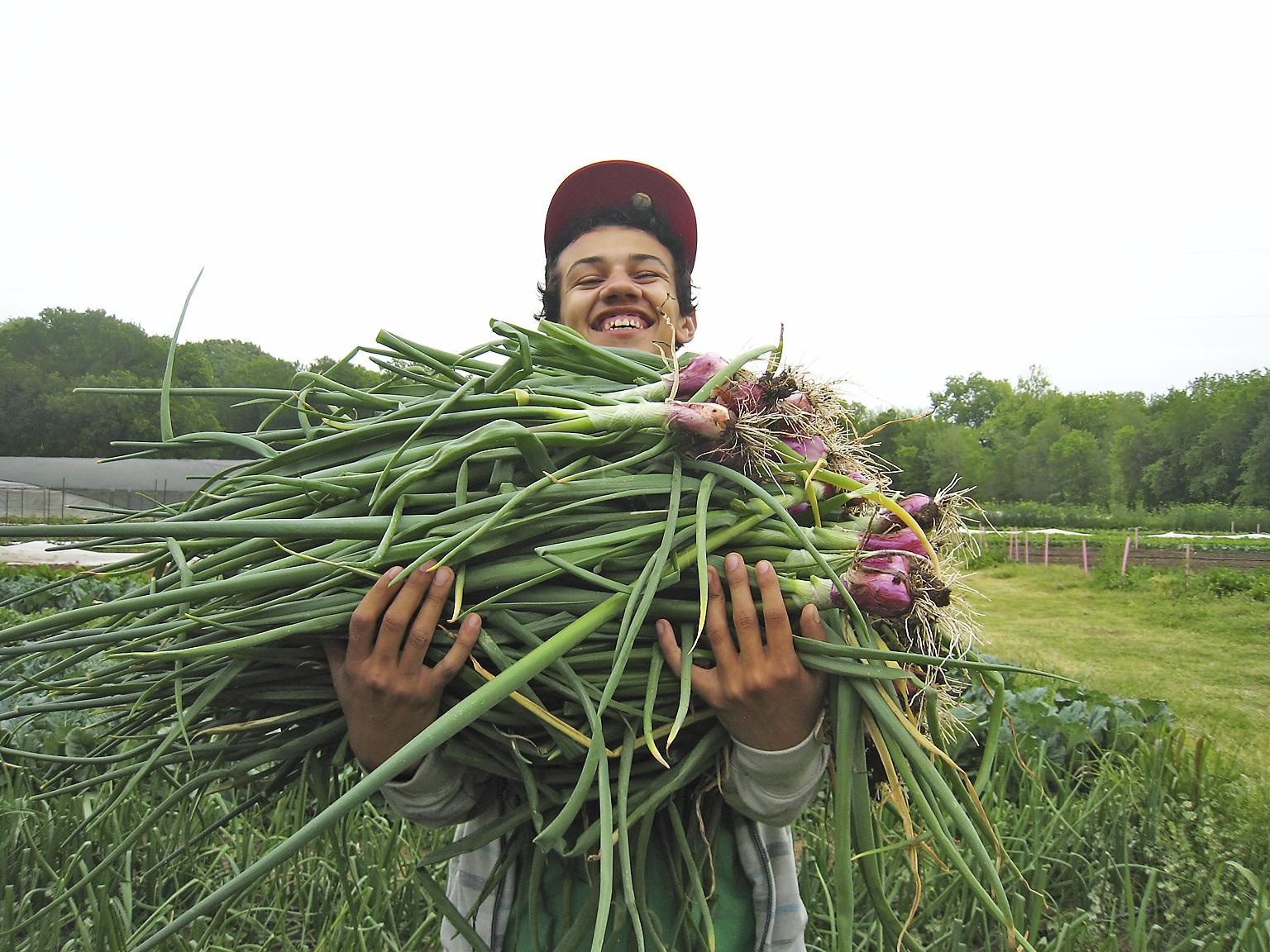
In 2010 Urban Roots grew 26,007 pounds of produce, donating 8,287 pounds to local soup kitchens and food pantries. The rest was sold, mostly at local farmers’ markets.
All these vegetables were tended by means of student labor—done by 30 interns, drawn from 12 high schools in the area. Students in the 25-week program are paid a stipend for their work. Urban Roots’s annual $250,000 budget was supported in 2010 mostly by grants and other private donations (68 percent), but also by produce sales (19 percent) and special fund-raising events, like Austin’s Eat Local week (13 percent).
Interns not only work in the fields but also run farmers’ market booths, lead tours of Urban Roots’s 3.5-acre East Austin farm, and volunteer for local hunger-relief charities, like Caritas and Meals on Wheels.
“When the Urban Roots interns first arrive, 90 percent of them have never been on a farm before,” says Mr. Elliott. “By the end of the summer, though, they’re looking at okra plants that are six feet tall—plants they grew themselves. Witnessing that shift while putting in that meaningful work, they’re bonding with each other and also that piece of land. So it’s not a quick in-and-out, but a deep and genuinely transformative experience.”
Such an experience, he says, imbues Urban Roots alumni with self-confidence as well as valuable farming, business, and leadership skills. Not to mention learning —and spreading—a newfound appreciation for healthy food.
Darriyan Kent, a 15-year-old high-school sophomore who recently began her second year in the program, credits Urban Roots with not only teaching her job skills but also helping her become more responsible. “I’ve grown as a person, and as a young leader,” says Ms. Kent. “And I’ve also learned that I really love beets.”




