
Campaign 2010: Neil Abercrombie, Democrat, Hawaii
One in a series examining the views of gubernatorial candidates on nonprofit issues.
October 5, 2010 | Read Time: 6 minutes
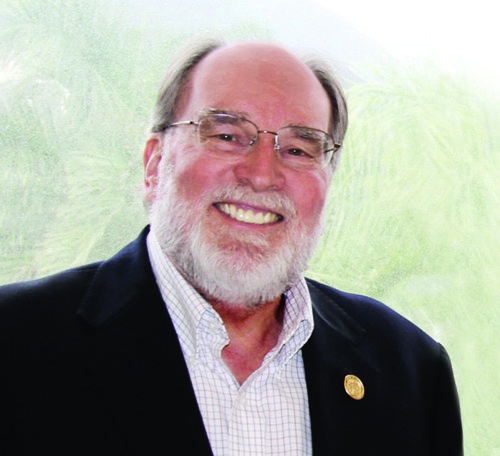
The Chronicle recently asked the major-party candidates for governor in 37 states to answer a series of questions about how they would influence the work of nonprofit groups in their states if they are elected. Below is the response from Neil Abercrombie, a former Democratic member of Congress who is running for governor of Hawaii.
Please describe any involvement you have had personally with nonprofits (as a board member, volunteer, staff member, etc.).
I have been a board member of the following nonprofits: Nuuanu YMCA, Hawaii Special Olympics, Epilepsy Foundation of America, Friends of Father Damien, Variety Club (Tent 50), Life Foundation/AIDS Foundation of Hawaii, and Amnesty International.
If you have held elective office before, please describe any policies or practices you put into place that particularly benefited nonprofits.
As Congressman, I established a simple and open earmark-application process to eliminate any advantages lobbying firms could have over nonprofits or other grassroots organizations. In fiscal year 2010, I helped secure earmarks for nonprofits, including the Hawaii Immigrant Justice Center, Coalition for a Drug-Free Hawaii, Hawaii Red Cross, Catholic Charities, Girl Scouts, and the Pacific Aviation Museum.
I also partnered with nonprofits in order to expand their operations or objectives. A highly successful venture was the Immigration Fair put on with the Hawaii Immigrant Justice Center. My Congressional office advertised the event, screened applicants, and helped organize the fair so that streams of immigrants could get help completing their immigration forms by attorneys from the center. This partnership was so successful that the fairs were replicated several times.
Please highlight those parts of your platform for governor that you think will most help nonprofits in your state.
In August, I released my comprehensive plan for the future of Hawaii, titled, “A New Day in Hawaii.” My top priorities are to stimulate the economy, reinvest in our human capital—in education and health services—and to move Hawaii quickly toward an energy-independent future. I believe nonprofits will be crucial throughout all parts of this plan.
Specifically, with regard to health and human services, government will form strong partnerships with the nonprofit sector. Solving big problems like poverty is not simple—and bringing the community together to work on solutions is critical. All parties in Hawaii need to stand together—businesses, state employees, faith-based organizations, neighborhood organizations, cultural groups, and nonprofits.
Does your state have a government position, office, or cabinet seat that is dedicated to helping nonprofits or promoting volunteerism? If yes, please describe it and say whether you would keep the office or position or make changes to it.
If no, would you consider creating such a position or office?
The closest thing Hawaii has to a government office dedicated to helping nonprofits and encouraging volunteerism is the Office of Community Services, which is buried in the Department of Labor and Industrial Relations. Among other things, this office manages the Progressive Neighborhoods Program, the Office of Economic Opportunity, the Refugee Settlement program, and the state Immigrant Services Center. As configured currently, the office is unable to be the liaison to community-based organizations that it should be.
Hawaii needs a higher-level initiative focusing on innovation, community building, and relationship management between government and the nonprofit sector. I would be open to the idea of a reconfigured office, which would work between the Office of the Governor, the Office of the Attorney General, Department of Commerce and Consumer Affairs, DLIR, and relevant agencies. The reconfigured office could also advocate for the nonprofit sector at the state Legislature.
Many nonprofits have lost revenue because of state budget cuts during the recession. Do you have any proposals to help nonprofits that rely on state-government grants and contracts weather the bad economic times?
If state government is going to rely on charitable, tax-exempt organizations to deliver services, it must be willing to invest in the capacity of those organizations. This can and should be accomplished in many different ways, including by providing ongoing, regularly scheduled workshops on things like proposal development, contracting, procurement, and board governance. State government can also play the role of convener to bring nonprofits in different geographical and topical areas together with different state agencies to collaborate on problems and programs.
Do you expect that as governor you will have to propose budget cuts to balance the state budget in 2011? If so, please explain.
The State of Hawaii has run itself into difficult financial circumstances, and it will take a different approach to governing to get us out of this situation. But in my conversations with people, they’re not interested in how politicians will balance the budget. What they want to know is how we will do things with the budget we have. As I have said repeatedly throughout this campaign, I believe we need to make sure the money we have is spent wisely and that we base our decisions on our values and priorities.
According to the latest projections by Gov. Linda Lingle and the Council on Revenues, the state will no longer have a deficit. However, we need to be diligent about our spending because the economy has not yet recovered and many people are still worried about their financial stability. One of the first things I will do as governor is to take advantage of every opportunity to accelerate our economic recovery. We need to be much more targeted and clear about the use of public resources and manage public funds more carefully.
States are responsible for ensuring that nonprofits and fund raisers register before they solicit charitable contributions through such means as telemarketing and direct mail. Do your state regulators have an adequate budget to perform this task? Are there any areas where you think state regulation of charities needs to be strengthened?
Hawaii recently implemented these requirements and has been successful in regulating and protecting Hawaii’s generous and philanthropic residents from fraudulent and predatory practices. These registrations allow for proper administration of nonprofit organizations as well as compliance with best-practice standards by professional fund raisers and solicitors. In an Abercrombie administration, we will seek balance between government oversight and regulation.
Please add any other observations you may have about the relationship between the state government and nonprofits in your state.
Nonprofits should be treated like valued partners. State government needs to forge a meaningful partnership with philanthropic organizations to collaborate on problem solving. Nonprofit service providers should have a seat at the table for policy formulation and oversight/advisory functions, rather than being outsiders.
——————-
See responses from other candidates on our Campaign 2010 Web page.
If you have information about how the governor’s race could affect nonprofits in your state, or would like to encourage your state’s candidates to complete our survey, please contact Suzanne Perry at suzanne.perry@philanthropy.com or (202) 466-1228.




