
New Ariz. Immigration Law Already Causes Trouble for the State’s Charities

By MAUREEN WEST
Contributor
May 16, 2010 | Read Time: 4 minutes
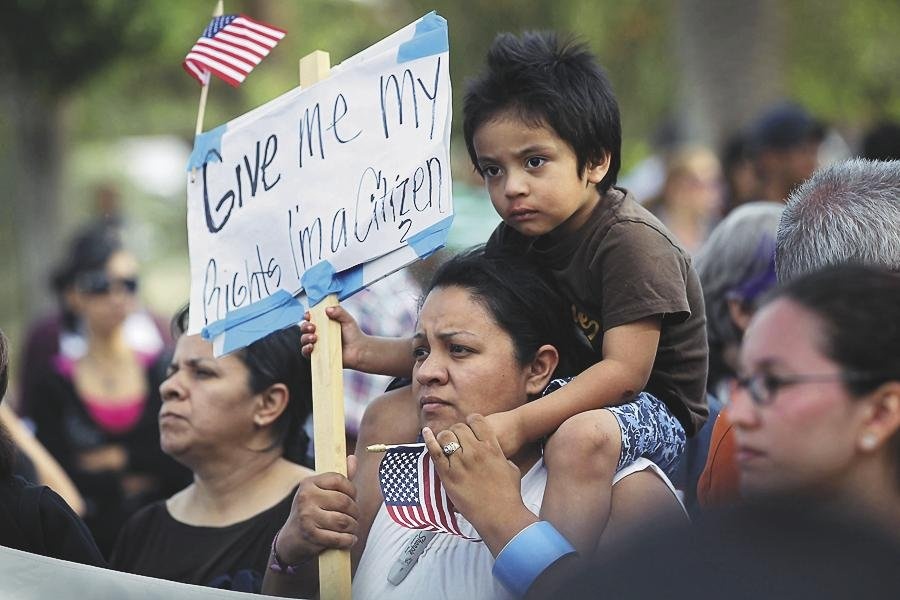
Arizona’s strict new immigration law does not take effect until the end of July, but charities that serve Arizona’s large Latino population—30 percent of the state—are already feeling the impact, and other charities fear they, too, could soon face problems.
“The law is already in effect in people’s minds,” says Luz Sarmina, chief executive of Valle del Sol, a Phoenix group that provides social and health services to Latino and other clients. “People are afraid of coming in for services and being picked up. They worry police may be on the street outside—not just the undocumented are worried, but all Latinos.”
Other charities are bracing for more indirect problems. Arizona’s charities that rely on out-of-state support, whether they serve immigrants or not, are bracing for the possibility of a passive, unstated boycott by grant makers and individual donors.
For a state without deep pockets of its own, the worry is a big one. Some groups that serve Latinos are already seeing new demands by prospective foundation supporters, including requests for assurances that the charities aren’t serving undocumented immigrants.
The new law, signed by the governor last month, makes it a state crime to violate federal immigration law. Any person suspected of living in the country illegally can be required to produce proof of citizenship or legal status. Critics of the law say it encourages racial profiling.
Edmundo Hidalgo, head of Chicanos Por La Causa, a social-services group in Phoenix and Tucson, says that some clients who have suffered domestic abuse—and fear deportation— are telling his staff members that they will not file charges, because that would require dealing with police.
He says some grant makers now want proof that Chicanos Por La Causa’s clients are legal residents. The charity’s employees are concerned that they may be arrested for transporting clients with questionable immigration status. And some organizations from other states with which the group collaborates are questioning whether they want to do business in Arizona at all.
Terri Leon, chief operating officer at Friendly House, in Phoenix, which has helped immigrants navigate their paths to citizenship for 90 years, says the current moment is testing her group’s mission and resolve.
“Our board is outraged, and they want us to take a stand and be visible in the community on this issue,” Ms. Leon says. “We have to make sure we are an effective voice for the Latino community. We take this seriously.”
Friendly House staff members now encourage clients to be overly cautious, avoiding even a broken taillight, and to have temporary guardianship arrangements made in advance for their U.S.-born children.
Expecting an Exodus
Friendly House, like other charities that serve Latinos, expects an exodus of clients because of the law. The group estimates it might lose 20 to 30 percent of the 273 students at its charter school, Academia del Pueblo. The group will spend this summer trying to fill those desks.
The week after the new immigrant bill was signed into law, six Latino families—affordable-housing residents—gave notice at Community Housing Partnership, in Phoenix, and more are expected to follow when school lets out for the summer, says Louisa Stark, the group’s executive director. Ninety percent of the charity’s housing clients are Latino. In the past, the group had long waiting lists for its 300 rental units, but Ms. Stark says her group will soon reach out to veterans, disabled people, and those on fixed incomes to fill the units.
At least 20 national groups, including civil-rights and labor organizations, have announced boycotts of travel, meetings, or conventions in Arizona because of the immigration law. Patrick McWhortor, president of the Alliance of Arizona Nonprofits, an umbrella group in Phoenix, is worried about the well-publicized new law’s effect on donations. “People are pulling conventions, so one can imagine they also might pull their charitable dollars,” he says.
Herb Paine, a nonprofit-management consultant in Phoenix, says the flight of some people to other states or nations may reduce the demand in Arizona for charity services. “The irony of this is that if there is a flight of Hispanic families, some of the economic burdens may be mitigated—one never knows the unintended consequences.”





