

May 16, 2010 | Read Time: 3 minutes
When Erin Metcalf, a 15-year-old girl with liver cancer, met one of her favorite professional baseball players through the Make-A-Wish Foundation, the tables were quickly turned. Erin was not the only one who was starstruck. So was the pitching star Jamie Moyer, who became one of Erin’s biggest fans after he saw her concern for other hospitalized children and their siblings.
When the Woodinville, Wash., teenager died two years later in 2000, Mr. Moyer and his wife, Karen, decided to honor her by establishing Camp Erin, a bereavement program for children and teenagers who have experienced the death of a loved one.
Through the Moyer Foundation, which the couple had recently established in Seattle, where Mr. Moyer played for Major League Baseball’s Mariners, the couple paid to develop and run a three-day overnight camp, mixing fun and outdoor activities with grief counseling, education, and emotional support.
In 2002, 42 kids attended the first Camp Erin, near Seattle.
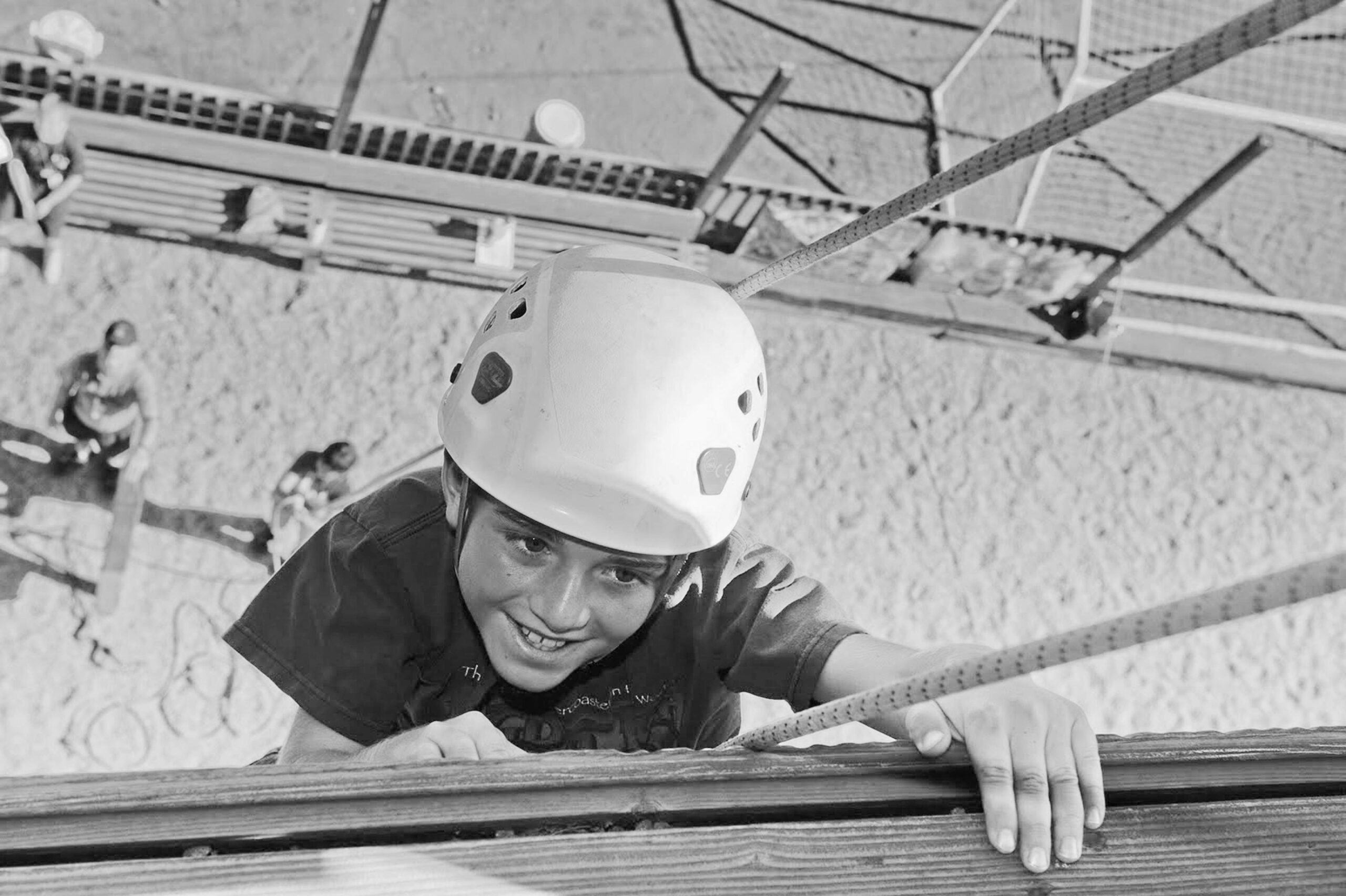
This year, 3,500 kids, ages 6 to 17, will attend Camp Erin in one of 35 cities across the country and in Canada. The camps, which are held from April through October, are free for all participants.
“The initial intention was a single camp,” says Lesa Linster, the Moyer Foundation’s national Camp Erin project director. “But that first camp experience was so magical for the kids, had such an impact on them, that everyone involved saw this huge need to reach more children.”
In 2007 Jamie and Karen Moyer donated $1-million to their foundation to start the Campaign for Kids, a national fund-raising effort to collect $10-million and pay for 60 Camp Erins by 2012. The expansion plan includes opening at least one camp in every city with a major league baseball team.
In many of the baseball cities, the cause has been adopted by a group of players’ wives. They volunteer at the camps, help raise money, and boost the profile of the camps. In each city, too, the Moyer Foundation forms a partnership with local bereavement and counseling organizations that provide programs and aid for campers.
According to the foundation, one in 20 children will experience the death of a parent by the time they graduate from high school. And research indicates these young people are at a much greater risk than other kids for depression, poverty, substance abuse, and suicide. Yet, according to Karen Moyer, children often feel isolated in their grief and rarely receive formal counseling.
“No child should have to grieve alone,” says Mrs. Moyer, mother to eight children, including two who were adopted. “This is not something that people think about, but with the camps, we are putting the issue on the map, and giving children a place to let go, and bond with other kids who are in the same situation.”
Helping and comforting kids in distress is her and her husband’s main passion, Mrs. Moyer says, and the mission of their foundation, which supports other programs, like a Seattle-area camp for kids who must cope with a family member’s substance abuse. “Children are in so many different kinds of stressful situations that affect who they are and what they can achieve,” Mrs. Moyer says. “Camp Erin gives kids who have lost a parent or a loved one the opportunity to understand and grow.”




