

March 21, 2010 | Read Time: 2 minutes
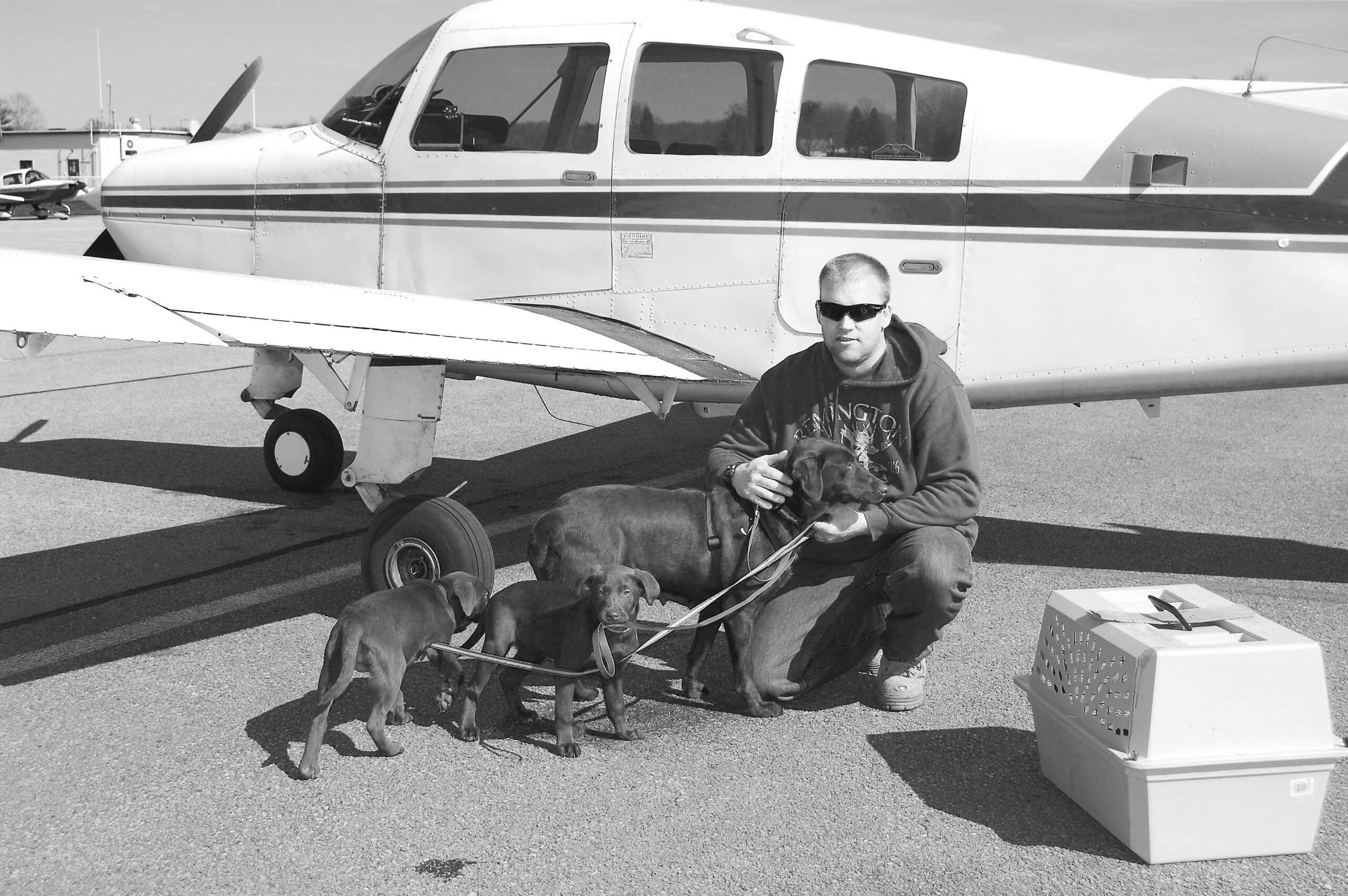
Most of the passengers Julia Ryan helps fly around the country have never previously boarded an airplane, but they are rarely intimidated by the experience. They tend to fall asleep and on special occasions, some will even enter the cockpit and sit in the pilot’s lap.
They are among the 1,000 animals transported by Animal Rescue Flights, an organization co-founded by Ms. Ryan and Clark Burgard, who are both pilots.
The group transports abused and neglected animals from overcrowded shelters to rescue groups that can accommodate them or families that will adopt them. It relies on a network of about 600 pilots to volunteer their flight time and planes.
So far, its volunteers have logged 150,000 nautical miles since the charity started to rescue animals in March of 2008.
The group communicates primarily through a Web site and relies upon word of mouth to promote its services. It mostly transports cats and dogs, but has occasionally flown geese and ducks, and once even got a request to fly a manatee stuck in a bay (the manatee eventually made it out). The flights are a last resort when options for local adoption and ground transportation have failed and the animals otherwise would be euthanized.
The animals who are rescued often go on to lead good lives, such as Sam, the 160-pound bullmastiff who was flown from the South to a family in New Hampshire and now visits elderly people at rest homes.
But other stories are heartbreaking, such as that of a dog Ms. Ryan found tied up outdoors who died lying on top of her puppies to keep them warm or the canine the group rescued after it appeared in professional fights. The toughest part of the group’s work, she says, is seeing all the animals the organization cannot help.
Animal Rescue Flights is currently seeking the Internal Revenue Service’s approval of its application for tax-exempt status. It hopes to eventually raise money for animal shelters and rescue groups as part of its operations, as well as to pay for pilots’ fuel and oil costs. Most of all, it wants to place a larger focus on promoting spaying and neutering programs, in the hopes that doing so will mean fewer abandoned and abused animals.
Says Ms. Ryan: “We don’t want to have to do this. Frankly, when there’s a need for us not to do this, we’ll be ecstatic.”




