In Assessing Charities, Are Stories About Beneficiaries Ever Useful?

By Caroline Preston
Contributor
April 30, 2009 | Read Time: 1 minute
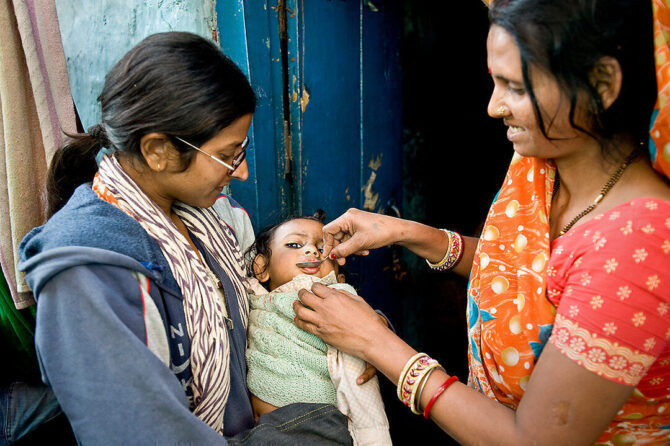
To educate donors, charities often share stories about people served by their organizations. But Holden Karnofsky writes on the GiveWell blog that those stories rarely provide much insight into whether or not the organizations are doing good work.
“Charities share a small number of stories without being clear about how these stories were selected, which implies to me that charities select the best and most favorable stories they could be telling,” says Mr. Karnofsky.
One “semi-exception,” he says, is the group Interplast’s blog, which “has such a constant flow of stories that I feel it has assisted my understanding of Interplast’s activities.”
Mr. Karnofsky asks: Why aren’t there more charity blogs like this one?
“A charity that was clear, systematic, and transparent before the fact about which videos, pictures, and stories it intended to capture (or that simply posted so many of them so as to partly alleviate concerns about selection) would likely be providing meaningful evidence,” he says. “If I could (virtually) look at five random clients and see their lives following the same pattern as the carefully selected ‘success stories’ I hear, I’d be quite impressed.”
In a reply, Tony Pipa, a nonprofit consultant, says that narrative is an effective way for charities to share information. But he agrees that most nonprofit groups today use narrative purely to market themselves.
“Love your suggestion to combine 100 unedited reviews, and would like to see a foundation take it and fund a pilot of a group of grantees to carry it out, to test its value,” writes Mr. Pipa.
What do you think?