May 3, 2007 | Read Time: 3 minutes
Watching the events at Virginia Tech last month was heartbreaking.
ALSO SEE:
ARTICLE: Grant Makers: First, Do No Harm to Others
ARTICLE: A Question Not on the Agenda: How Long Should a Foundation Operate?
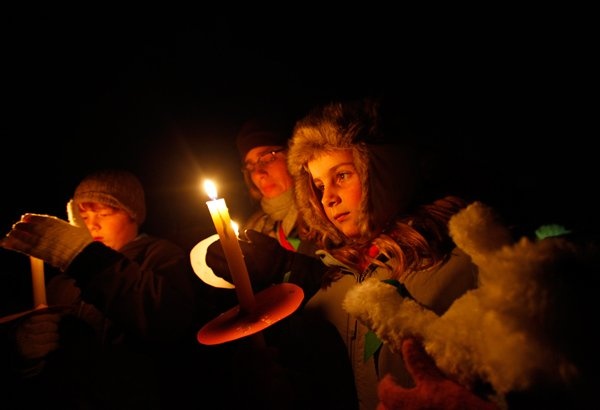
So many young lives, along with decent and honorable people who taught them, obliterated on an otherwise ordinary Monday; a university community in shock; families devastated.
Watching the response has also been heartbreaking, but for different reasons.
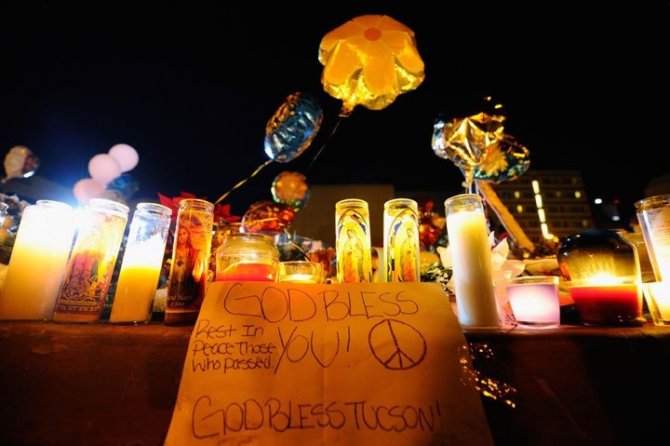
We see the grief counselors. We see the memorial services. We see plans to step up communications and lock down buildings when a shooter is on the loose.
We see all the ways people try to cope with tragedy. What we don’t see enough of are efforts to prevent it.
With the memory of this latest tragedy seared fresh in our souls, philanthropy must step up to meet this challenge.
As foundations, we have the resources to commit to important public problems; we have the freedom to take on tough issues; we have the flexibility to respond quickly; and we are, collectively, diverse enough to experiment with a range of solutions.
Gun violence is preventable — not entirely, but substantially.
We can reduce the toll, in the same way that, over the last 40 years, we have brought highway death rates way down.
As with traffic fatalities, we have no one magic formula. Instead, we Americans have taken many smaller steps (seat belts, air bags, campaigns against drunk driving, child-safety seats) that, together, have saved tens of thousands of lives.
With gun violence, however, we have been marching resolutely in the opposite direction. Among our failures:
- We have declined to check the backgrounds of everyone who buys a firearm, allowing 40 percent of sales — at gun shows, through newspaper classifieds, etc. — to skip the checks altogether.
- We have let mental-health red flags, like those of the Virginia Tech shooter, slip past gun background checks.
- We have failed to take guns away from people who are under domestic-violence restraining orders or on terror watch lists.
- We have made it harder for police to prosecute gun traffickers who arm criminals and urban street gangs.
- We have watched in silence as the firepower available to civilians soars. We have shrugged as manufacturers market ammunition that can pierce police vests.
- We have, in a growing number of states, enshrined the principle of “shoot first, ask questions later.”
- We have declined proposals to require that guns be childproof, or designed so that you can tell if they’re loaded, or put under other consumer product-safety regulations.
Then we see this latest tragedy and ask, How could this happen? How could it not happen, when we systematically make it easier for angry and troubled people to get ever-more-powerful guns, and harder for the police and public-health people to stop the mayhem?
Some people are stepping up to demand change.
Mayors Michael Bloomberg of New York and Thomas Menino of Boston have organized more than 200 of their colleagues to form Mayors Against Illegal Guns to fight outrageous restrictions on gun-trafficking investigations. Law-enforcement officials, on the front lines in this bloody struggle, are demanding stronger policies to back them up.
And some 200 Midwest law-enforcement leaders have assembled to find ways to reduce growing gun violence in many of our cities.
The public, too, wants action: A long series of polls shows broad public support for common-sense gun laws like those listed above.
Philanthropy has a role to play as well, one that will be discussed in a session at the Council on Foundations meeting in Seattle this week.
Foundations can pay for critical research identifying gun-violence patterns and evaluating interventions. They can support law-enforcement, medical, and citizen groups, as well as others working on the issue. They can give money for local community-mobilization efforts and for state and national policy development.
Foundations can support the search for answers.
Then, maybe, we won’t have to make grants for grief counselors.
Ellen S. Alberding is president of the Joyce Foundation, in Chicago.