
Less than 2% of All U.S. Giving Supports Women’s and Girls’ Charities
November 3, 2021 | Read Time: 2 minutes
The #MeToo movement gained traction in late 2017 and continued to grow the following year, as countless women shared their experiences with sexual harassment, abuse, and assault. But donations to women’s and girls’ organizations made up just 1.92 percent of all charitable giving in 2018, the most recent data available.
That burst of increased public attention, according to the latest edition of the Women & Girls Index, did little in terms of the dollars contributed to causes serving women and girls. The share of donor funds going to those groups had stood at 1.8 percent in 2017 before inching higher the following year.
We are three of the researchers who produce this index. To measure U.S. charitable giving to women’s and girls’ organizations, we sift through Internal Revenue Service data on nonprofit organizations.
To be sure, philanthropic support for women’s and girls’ organizations did grow a little in 2018, reaching $8.2 billion. This was the highest level recorded since 2012, which is as far back as our data goes.
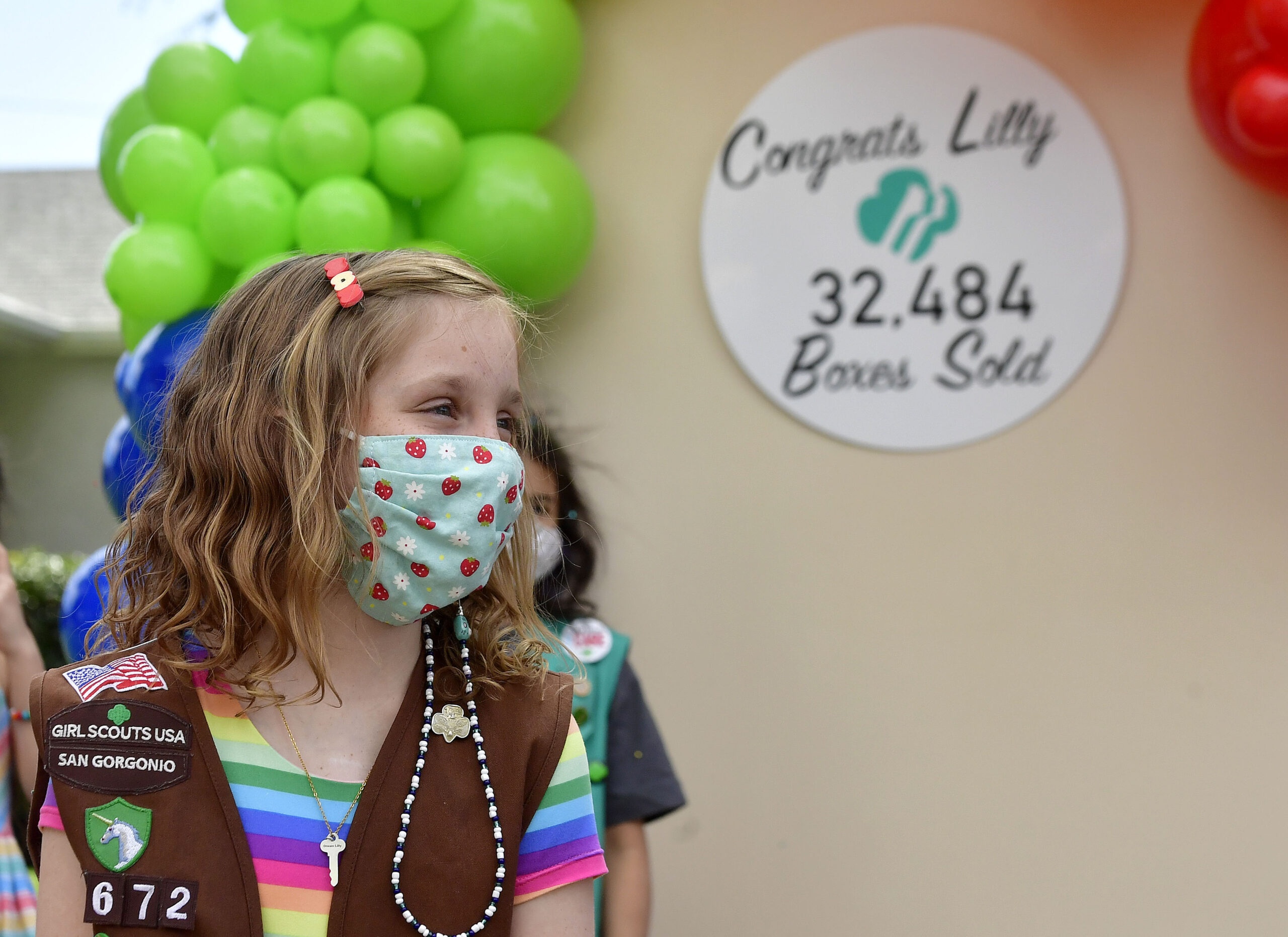
The index measures donations to many kinds of organizations, running the gamut from Susan G. Komen, which fights breast cancer, to women’s colleges like Smith and Scripps, to the Girl Scouts.
Anyone may download or search the data for free by visiting our website.
Some kinds of women’s and girls’ groups registered bigger gains than others in 2018. Those focused on the environment, such as Women’s Voices for the Earth and Women of Renewable Industries and Sustainable Energy, saw their donations grow by 37.1 percent. Charities focused on civil rights and advocacy, including the National Women’s Law Center and Catalyst grew 32.3 percent.
While these categories make up a small share of all giving to women’s and girls’ organizations, their sharp gains suggest that the #MeToo movement and growing awareness about the inequitable impacts of climate change are boosting support for related causes.
In the future, we’d like to see what’s happening with intersectional philanthropy. Examples of what we hope to study include giving for women and girls of color, women and girls with disabilities, and LGBTQ women and girls.
Editor’s note: This article is part of a partnership the Chronicle has forged with the Conversation to expand coverage of philanthropy and nonprofits. The three organizations receive support for this work from the Lilly Endowment. This article is republished from the Conversation under a Creative Commons license.




