
Nonprofit Executives Pen Guide for — and About — Black Women Philanthropists

By NICOLE WALLACE
Features Editor
August 15, 2019 | Read Time: 3 minutes
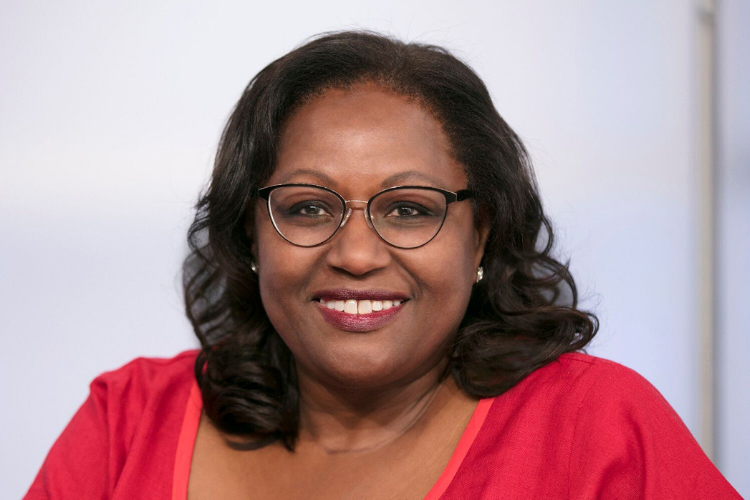
Veteran charity executives Angela Dorn and Jocelyn Harmon have a message for the nonprofit world: Black women are philanthropists.
They say it’s a message that both nonprofits and black women themselves need to hear.
“Everyone has the misconception that to be a philanthropist, you have to give enormous amounts of money to a cause and have your name on a building,” Dorn says.
To set the record straight, she and Harmon have written “The Black Woman’s Guide to Philanthropy,” which details African-Americans’ long history of giving and reframes philanthropy as sharing one’s time, talent, and testimony — in addition to giving money. The guide discusses how black women can make their giving more strategic and why it’s important to give to organizations led by people of color. It also profiles 12 black women who are driving social change as donors, board members, and foundation leaders.
“We want this to be an uplifting, helpful tool for black women, especially during this time where the vitriol is so intense,” Harmon says.
She also hopes the guide will change nonprofits’ mind-set. The worst stereotype that organizations hold is that “black folks don’t have money and don’t give. ‘They’re the recipients of our services; they’re not our donors,’ ” Harmon says. “We’re leaving money on the table with that belief.”
Not Being Heard
The guide, released today as part of Black Philanthropy Month, is a project of #BlackHer, an online platform Dorn and Harmon started last year to discuss meaty topics and empower black women to make a difference in their communities. The two women, who are both African-American, met working at a nonprofit. They bonded over their shared frustration that while they were looked to as proof of the group’s diversity, they very seldom felt heard.
“When issues came up that related to people of color, and black people in particular, we were surprised by the fact that we weren’t being listened to,” Dorn says. It was maddening, she says, to want to make things better for everyone — “and certainly for black people” — only to be ignored. “We wanted to find a space where we could create and could be heard, and #BlackHer emanated from that.”
The new philanthropy guide was sponsored by Giving Compass, an effort by the Raikes Foundation to provide information to donors who want to make their charitable donations more effective. Giving Compass will be publishing the profiles of black women to watch in philanthropy on its website as well.
Nonprofits often fail to ask people of color to give or to serve on boards. Donor Judith Batty, one of the women profiled in the guide, argues that both are important. She serves on the boards of Arena Stage, Girl Scouts of the USA, and the Levine School of Music.
“Giving money is critical, but it’s not enough to just give money,” Batty says in her profile in the guide. “If you have skills that can help an organization grow or survive, it’s important to offer to share them to help the organization become stronger.”





