Businessman Gives $115 Million to Boston U. for Life Sciences and Engineering

By Maria Di Mento
Senior Editor
September 14, 2017 | Read Time: 2 minutes
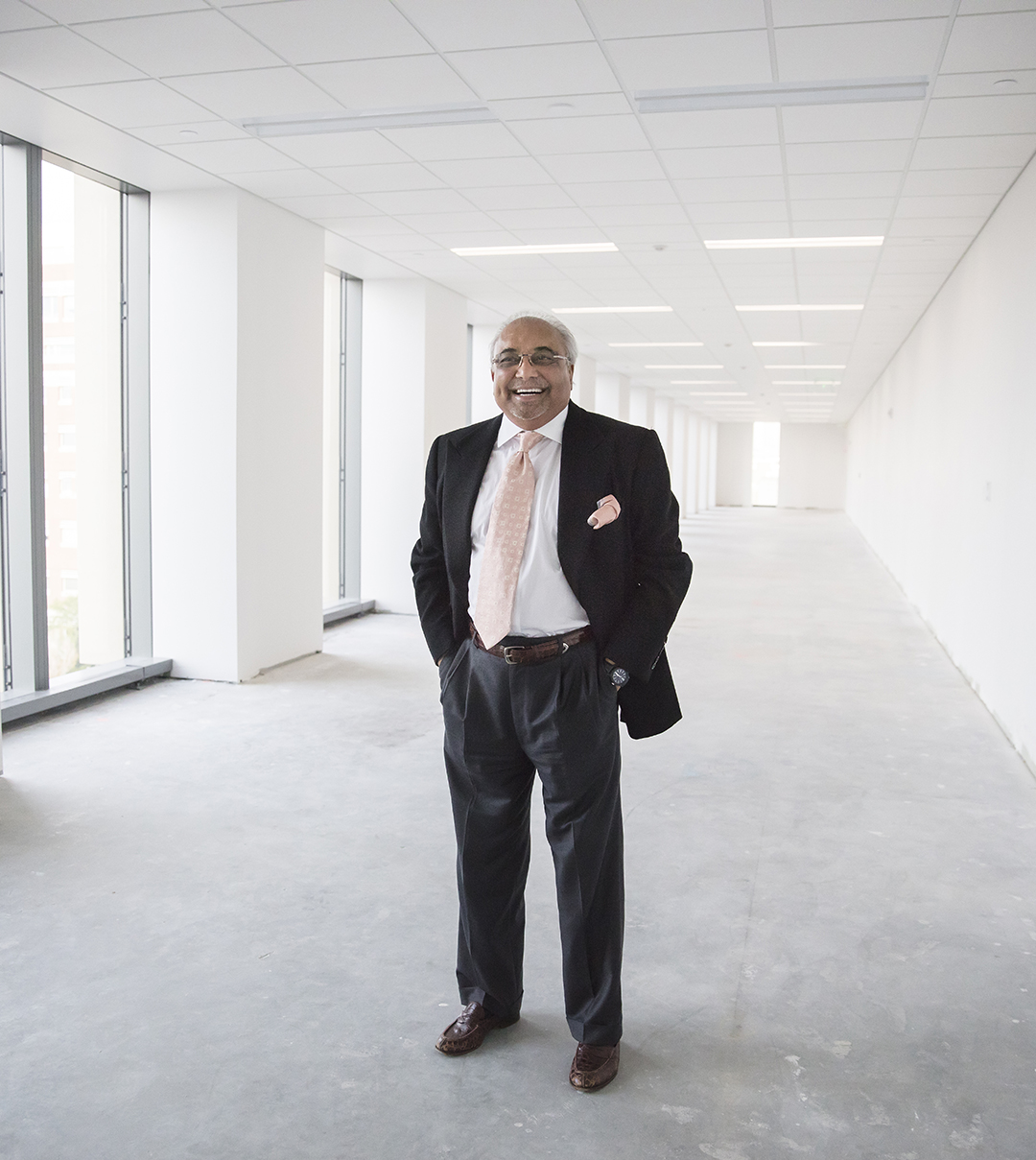
The Indian businessman Rajen Kilachand is giving $115 million to Boston University to back programs in life sciences and engineering. Mr. Kilachand leads his family’s international conglomerate, the Dodsal Group, an energy and infrastructure development corporation based in Dubai.
The donor is directing $15 million of the gift to help pay for the newly opened Center for Integrated Life Sciences & Engineering, which will be named for him, and $100 million to endow the center’s interdisciplinary research programs that combine life sciences and engineering.
Mr. Kilachand was born in Bombay, India (now called Mumbai), and earned an MBA from Boston University’s business school in 1974. He said in a news release that when he entered the university in 1971 he was struck by the high quality of the U.S. higher-education system and the important role large gifts from wealthy philanthropists played in helping it prosper.
“I’m giving to BU and to education in the United States because I am a firm believer that there is not a country like the United States for higher education and research,” he said. “No place does it with such integrity and honesty.”
This is not his first donation to the university. In 2011 he pledged $25 million to create the Arvind and Chandan Nandlal Kilachand Honors College, named for his parents, and committed $10 million more in 2012.
He said his giving impulse comes from a long family tradition of philanthropy that goes back to his great grandfather Kilachand Devchand, who built a fortune in Bombay in the 1880s trading in oilseeds and cotton.
His great-grandfather built a clean-water system in his village, and the family later brought electricity and built the village’s first hospitals.
“This was an example handed down generation to generation of what philanthropy was about, and that tradition has continued,” said Mr. Kilachand, who has given more than $35 million to health, education, and cultural groups in Africa, India, and the United Arab Emirates. “I would like to think that it’s almost part of our genes now.”