What’s Behind the Uneven Rates in Volunteerism: a Look at Fla. and Wyo. Point to Answers

By Kay Dervishi and Yesica Balderrama
April 17, 2023 | Read Time: 6 minutes
The share of Americans who volunteer their time to help charities build houses, serve food, do environmental cleanup, and much else has been on the decline nationwide but nowhere as sharply as in Florida, where only 16 percent of residents donate their free hours to local organizations, according to the latest available statistics.
That’s a drop from the nearly 23 percent of residents who volunteered in 2017.
Florida’s volunteer rate slumped in large part because of the pandemic, which made it especially risky for older Americans — who are among the most loyal and regular part of the volunteer population in Florida and elsewhere — to interact in public settings. The loss of those volunteers is painful for many nonprofits, which are stretched to provide needed services and programs because they face a tight job market for paid workers and increased demands for help.
“What’s happening now is actually the staff is wearing multiple hats, as many nonprofit staff members do to make up for the gap of volunteers,” says Sabeen Perwaiz Syed, CEO of the Florida Nonprofit Alliance, which represents charitable organizations across the state
Meanwhile, Wyoming was the only state in the country to chalk up an increase in volunteering. Nearly 40 percent of residents volunteer, according to the latest figures available, compared with slightly less than 33 percent in 2017. The growth is in part because its open spaces made it easier for volunteers to keep working safely during the pandemic, and now nonprofits are seeking to capitalize on people’s growing interest in giving their time.
Related Content
Those figures are part of an AmeriCorps analysis of U.S. Census Bureau data for 2017, 2019, and 2021, the latest year available.
The challenge of finding ways to attract and keep volunteers is not a new issue facing nonprofits, although it has been worsened by the pandemic.
Nathan Dietz, a researcher at the University of Maryland’s Do Good Institute, says charities that didn’t focus on retaining volunteers during the pandemic may find it difficult to get them back.
“There were some organizations who, during the pandemic, they just said, ‘We don’t know how we’re going to do volunteer management or volunteer engagement, and we don’t really have time to figure it out because we have bigger problems,’” Dietz said. “When people disengage from that kind of regular activity, it’s hard to re-engage them even if you’re trying to actively do that.”
Behind Wyoming’s Spike
Wyoming, known for wide-open spaces, including Yellowstone and Grand Teton national parks, had fewer restrictions and closings than many states throughout Covid-19. That kept more volunteer opportunities open and minimized disruptions to volunteers’ routines.
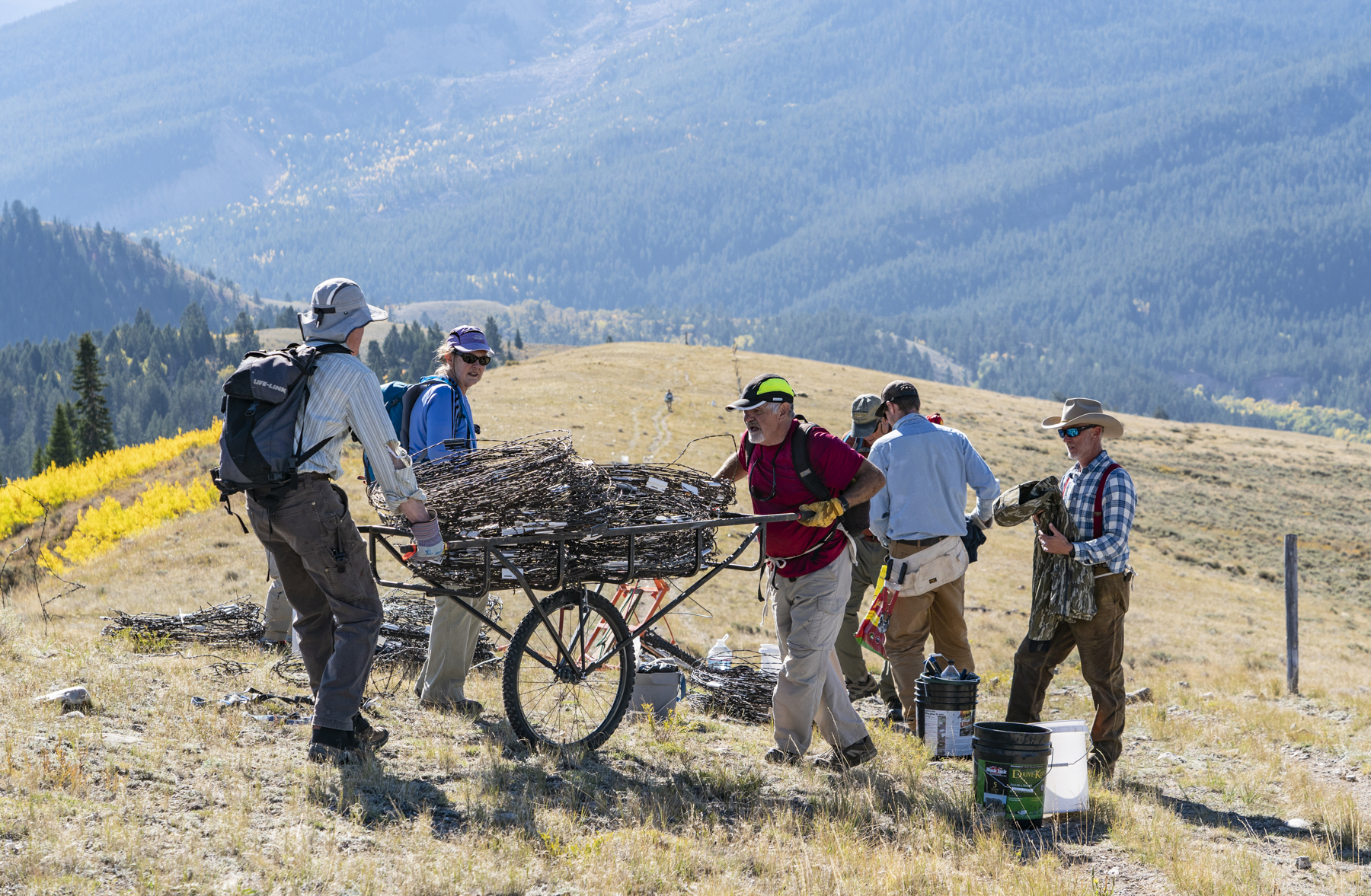
The Jackson Hole Wildlife Foundation, a conservation nonprofit near Grand Teton National Park, relies on volunteers to collect local wildlife data and remove fencing that’s harmful to animals. The organization says more people wanted to volunteer during the pandemic than in past years.
Steve Morriss, a longtime volunteer with the foundation and other local nonprofits, says volunteer work in the outdoors was especially appealing for retirees like him during the pandemic because it allowed them to socially distance but still interact with others and do good.
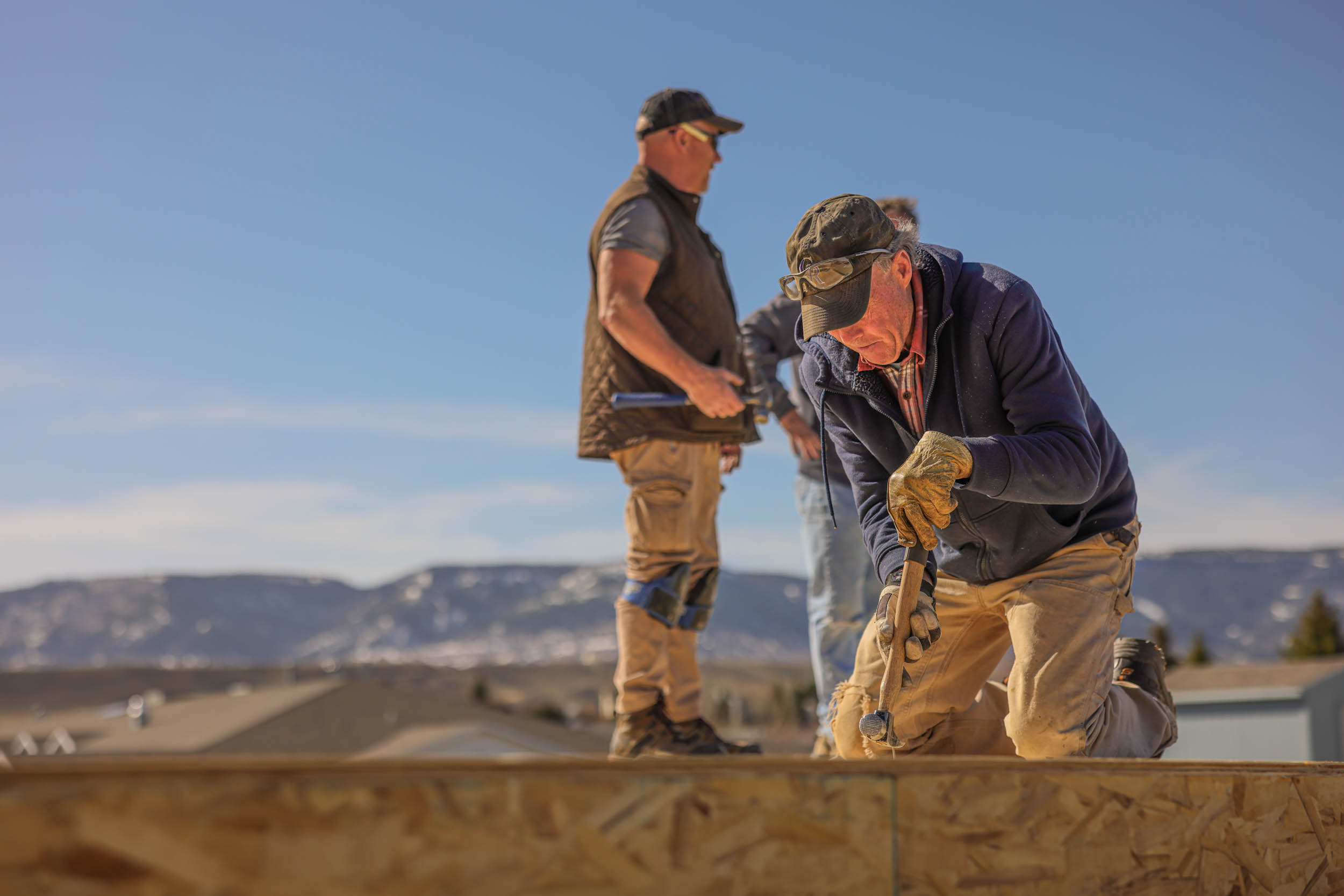
The Heart of Wyoming Habitat for Humanity chapter, which relies on volunteers to build homes in Natrona County, saw an uptick in volunteering interest after re-opening its construction sites during the pandemic. Companies that previously provided financial support, in particular, began to give their employees time off to volunteer at Habitat.
The Wyoming Community Development Authority, a housing lender, is one financial supporter whose employees spent two days last year working on a Habitat construction site.
“Now it was no longer enough to make a gift, which we very much appreciate,” says Tess Mittelstadt, the nonprofit’s executive director. “But they wanted to see what that gift meant, and they wanted to see what that meant for people in our community.”
Jody Shields of the Wyoming Nonprofit Network says since the pandemic, she’s noticed increased interest from companies looking for volunteer opportunities because they allow employees both to bond with one another and to support local causes.
Mittelstadt says the organization is seeking to keep volunteerism high by providing volunteers with information about the specific families they’re helping by building houses. Habitat also invites volunteers to events celebrating completed homes.
Data suggests all the effort is paying off. Volunteers spent 57 percent more hours building new homes during the nonprofit’s last fiscal year compared with the previous year, according to Mittelstadt.
“Everybody knows somebody in our community, and everybody’s willing to lend that helping hand,” she says.
Florida’s Decline
Even as the pandemic has receded, volunteerism is not rebounding in Florida, says Perwaiz Syed of the Florida Nonprofit Alliance.
“Nonprofits have had a lot of volunteers stop,” she says. “They have not returned. Many of them are seniors. They’re putting their health first and have not re-engaged in person.”
A study of 2,300 nonprofits by the alliance found that 40 percent of nonprofits reported they needed more volunteers and 25 percent of nonprofit employees said they were feeling overworked as they took on tasks previously done by volunteers.
The Manatee Literacy Council, which provides adult literacy tutoring, employs three part-time staff members and has 60 volunteer tutors, mostly retirees, available year-round. It lost 75 percent of its volunteers during the height of the pandemic. The program was able to move some of its work online, but it still can’t meet demand. The center currently has a waiting list of 100 people in need of tutoring.
To recruit more volunteers, the group sends representatives to community events to talk about its work, says Michelle Deveaux McLean, the council’s CEO.
She also says she is working hard to keep volunteers returning by organizing monthly meet-ups and creating a supportive environment. It continues to be a struggle.
“I’m lucky if I have five volunteers every month. We’re just perpetually upside down,” McLean says.
Corporate Volunteers
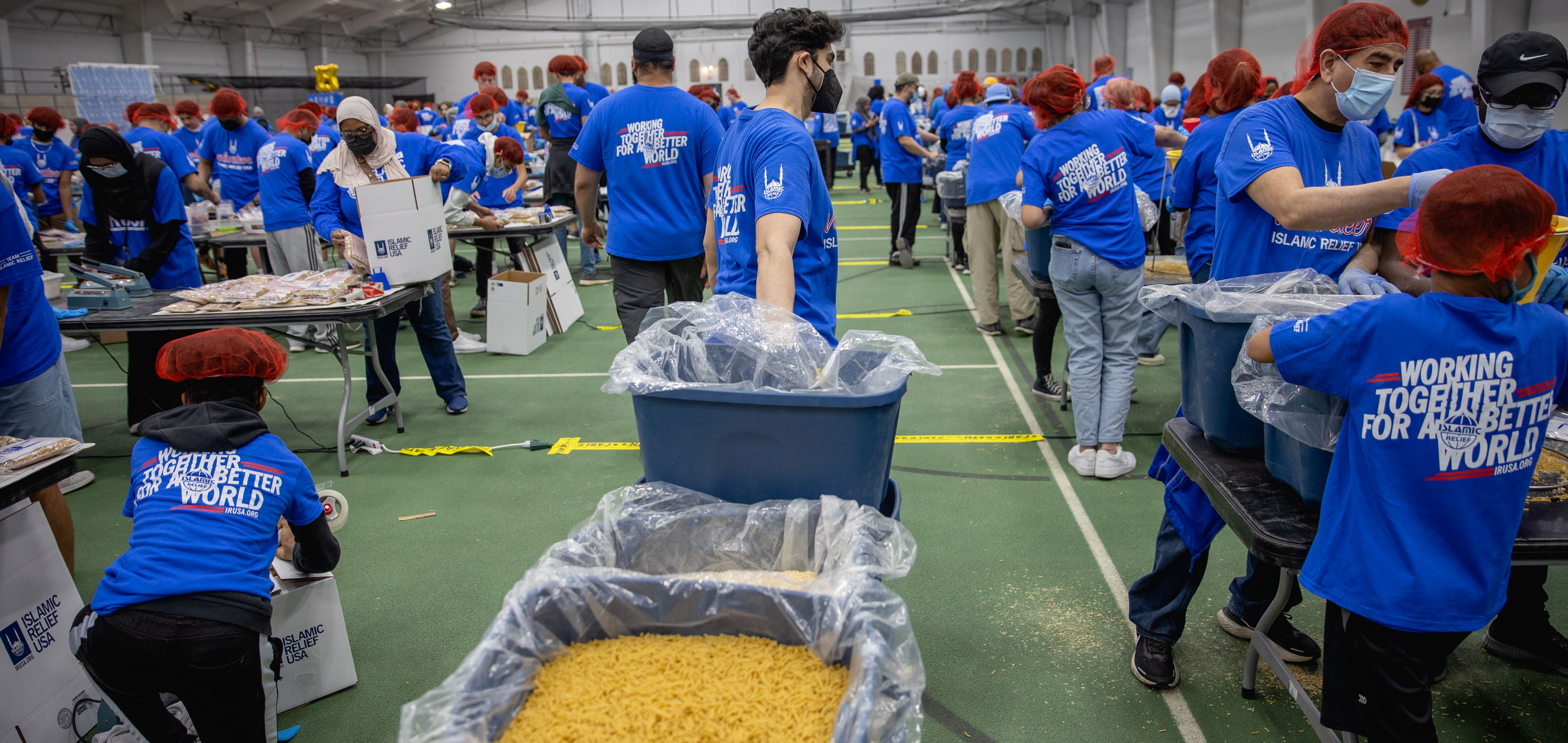
Other Florida nonprofits are turning more to online volunteering and enlisting companies to urge employees to volunteer.
For instance, Office Depot, based in South Florida, includes volunteerism as part of its professional development for employees. Since 2017, the company has sent workers to help charities do landscaping, paint murals, prepare meals for youths in Florida, and more.
Even as nonprofits work on a variety of ways to try to expand the number of volunteers, doing so may take time.
“I do think that Florida’s numbers will increase over time as we stabilize a bit from the pandemic,” Perwaiz Syed says. “I don’t think you’re going to see us in the top 10 because that’s just not possible to go that far that quickly. But I do think it will increase a little bit.”
Reporting for this article was underwritten by a Lilly Endowment grant to enhance public understanding of philanthropy. The Chronicle is solely responsible for the content. See more about the Chronicle, the grant, how our foundation-supported journalism works, and our gift-acceptance policy.