Robert Wood Johnson Foundation Names Former CDC Official as New CEO

By Alex Daniels
Senior Editor, Foundations
February 13, 2017 | Read Time: 2 minutes
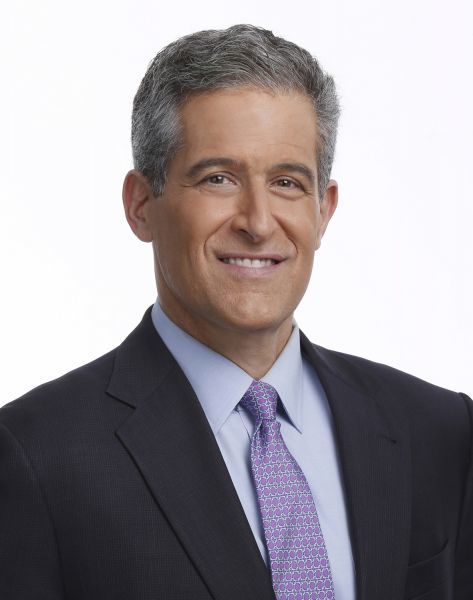
The Robert Wood Johnson Foundation, the nation’s third-largest private grant maker, on Monday named a former Centers for Disease Control official as its new president.
Richard Besser, a pediatrician, most recently worked as the chief health and medical officer at ABC News. Before that, he served as director of the Centers for Disease Control’s Coordinating Office for Terrorism Preparedness and Emergency Response. For six months beginning in January 2009, Dr. Besser served as the acting director of the Centers for Disease Control.
He replaces Risa Lavizzo-Mourey, who has led the foundation for 14 years. Dr. Lavizzo-Mourey announced in September that she would step down.
In 2015, the Robert Wood Johnson Foundation made $348 million in grants. Under Dr. Lavizzo-Mourey’s leadership, it shifted its strategy to promote what it called a “culture of health.” The approach promotes changes in diet, policy, and education that make it easier for people to lead healthy lives.
That work will continue, according to Dr. Besser.
“Working to improve the health and well-being of all Americans is a high calling,” he said in a statement. “Doing it here, with an organization of such stature and credibility, will be a great honor and privilege.”
Dr. Besser has served in various positions at the Centers for Disease Control, including a stint with its Epidemic Intelligence Service, where he worked on controlling food-borne diseases. He is a volunteer pediatrician with the Children’s Aid Society in New York and is a professor of pediatrics at Columbia University. Dr. Besser is also a distinguished visiting fellow at the Harvard School of Public Health.
Under Dr. Lavizzo-Mourey, the foundation in 2007 made a $500 million commitment to end childhood obesity. It got a boost when in 2010 Michelle Obama made childhood obesity one of her signature issues while in the White House. Eight years later, in 2015, convinced more work was needed, the grant maker pledged an additional $500 million. In the first years of the effort, the childhood obesity rate was nearly cut in half. A big obstacle to further progress: soda and sweetened drinks. To further reduce obesity, the foundation has worked to change families’ habits and incorporate a zero-tolerance policy.