Former Prosecutor of Nazis, 96, Pledges $10 Million to Prevent Genocide

By NICOLE WALLACE
Features Editor
September 26, 2016 | Read Time: 4 minutes
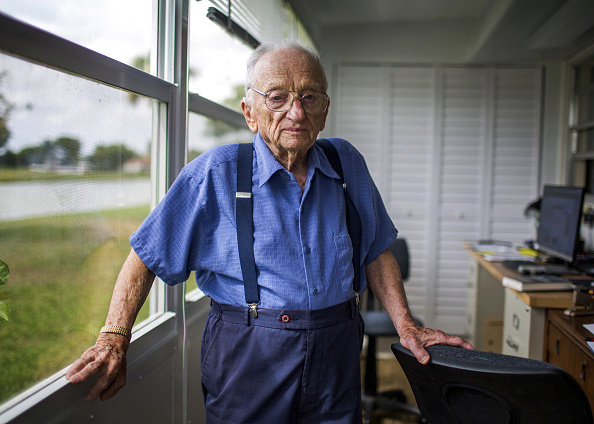
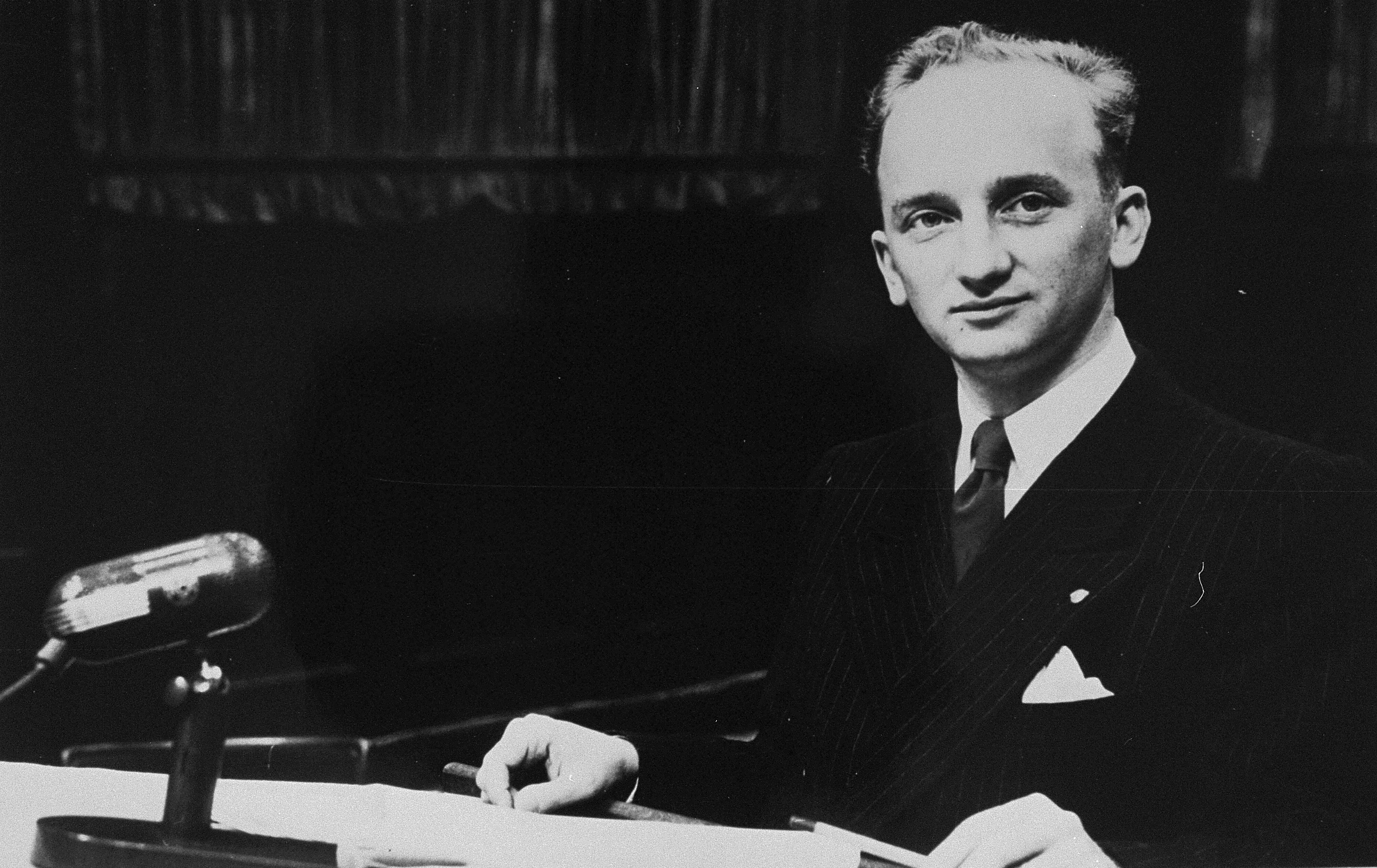
World War II was still raging when Benjamin Ferencz, a soldier and 24-year-old graduate of Harvard Law School, helped set up the army’s first war-crimes branch and collect evidence of Nazi atrocities. Three years later, at the Nuremberg Trials, he served as chief prosecutor in a case trying high-ranking officials in charge of roving death squads. The 22 defendants were convicted of murdering more than a million people.
Now 96 and the last living Nuremberg prosecutor, Mr. Ferencz has donated $1 million through his Planethood Foundation to the Simon-Skjodt Center for the Prevention of Genocide at the U.S. Holocaust Memorial Museum. He plans to give $1 million annually for up to 10 years, provided the museum continues to meet certain criteria.
Mr. Ferencz devoted his career to international law, fighting for restitution for victims of Nazi persecution and working to help survivors recover lost property and businesses. Later, his writings formed the basis for the International Criminal Court in The Hague, which acts as a court of last resort for the prosecution of genocide, war crimes, and crimes against humanity.
Positive Strides
Despite witnessing so much brutality, Mr. Ferencz is optimistic about the possibility for change.
“I was a liberator of many concentration camps, and I saw the killings and the bodies and the crematoria going and all the rest,” he says. “I’ve seen the horrors of mankind, but I have also seen the progress made.”
He points to the increasing rights of women in many parts of the world — “I believe we’re going to have a female president very soon,” he predicts — and the development of human-rights law as signs of improvement.
“When I was going to school, there was no such thing as humanitarian law,” he says. “Today it’s taught in all the law schools in the world.”
Law as a Deterrent
The new Ferencz International Justice Initiative at the Holocaust museum will study the role the law can play to prevent genocides and to help countries heal after mass killings take place, a belief that is widely held in the field of genocide prevention.
“But there has been too little research done and too little work done to both document the extent to which that is true and to create new pathways, institutions, policies for helping that to be true,” says Cameron Hudson, director of the Simon-Skjodt Center for the Prevention of Genocide at the museum.
The idea that law can be a powerful deterrent provokes debate, he says. Critics point out that humanitarian law hasn’t stopped Syrian President Bashar al-Assad from committing war crimes against his own citizens.
Different Kind of Donor
Working with Mr. Ferencz on the donation was different than most gift negotiations, Mr. Hudson says. While major donors are almost always passionate about the causes they support, they usually aren’t subject-matter experts.
I’ve seen the horrors of mankind, but I have also seen the progress made.
“Ben isn’t a typical philanthropist because he is giving to a field which he himself helped shape and form,” Mr. Hudson says. “He comes at this from an area of deep intellect and deep connectivity.”
At 96, Mr. Ferencz still brims with life. Mr. Hudson reports the nonagenarian did push-ups at the Holocaust museum’s offices in August.
He keeps a rigorous schedule, waking every morning at 7 and sometimes working until 9 at night. He can’t travel to international conferences and speaking engagements as often as he used to — but has a long list of videos to record and send instead.
“Trying to stop war,” says Mr. Ferencz, “that is very much a full-time job.”