Gays Want Nonprofits to Show Their Inclusiveness
Some gay and lesbian donors want to know that the institutions that slighted them in the past will make amends

By Raymund Flandez
Contributor
August 11, 2013 | Read Time: 5 minutes
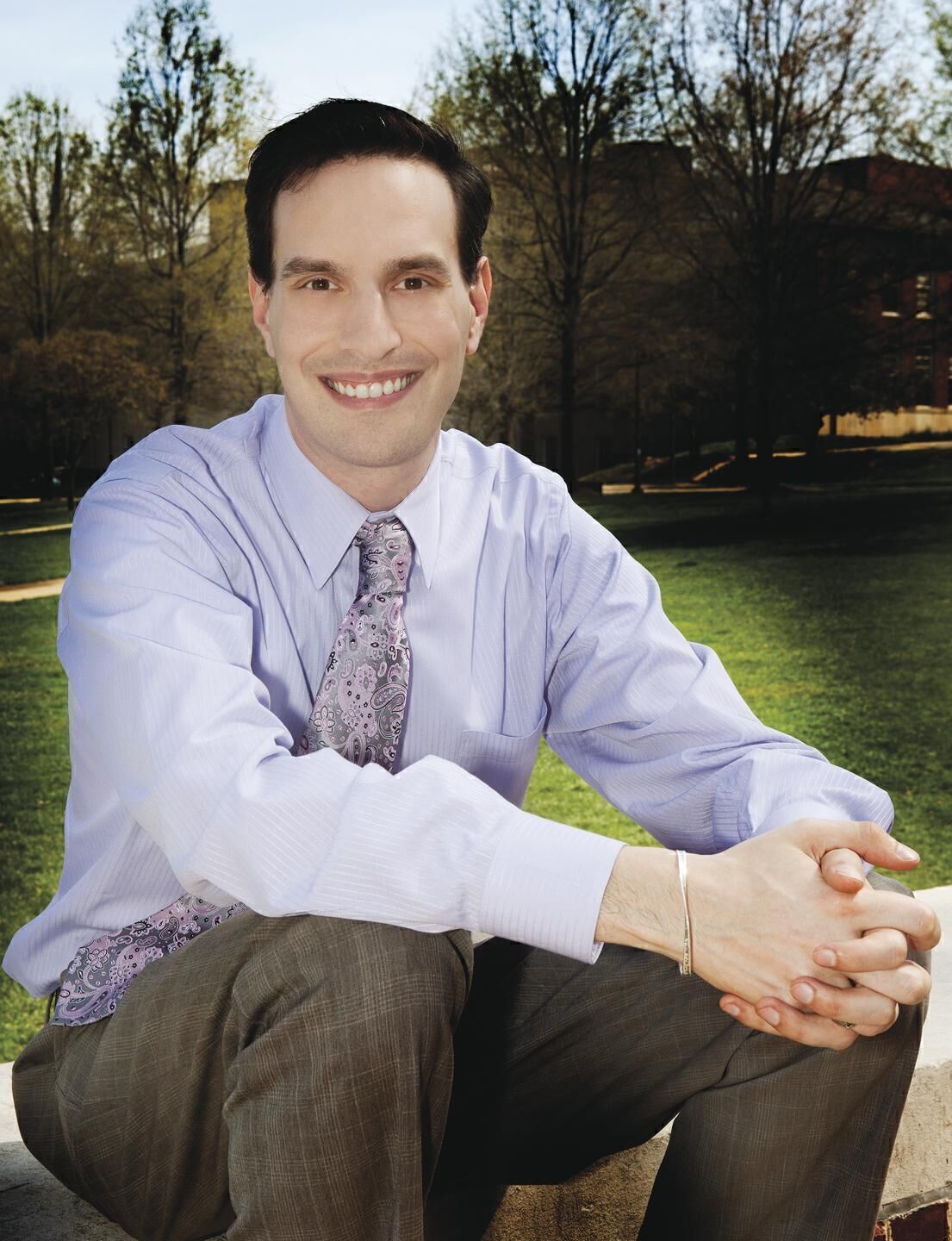
Noah Drezner was studying environmental science at the University of Rochester when he got excited about another subject: philanthropy.
He was earning money for his studies by working at the alumni association and helping its fundraisers. Eventually, he was hired as a fundraiser full time but grew disillusioned. He asked himself: “Why are we only engaging white, wealthy, heterosexual couples?”
That question continued to nag him for years. So he went back to graduate school to try to answer that question and to explore whether racial, ethnic, or sexual-orientation identities influence giving.
Now, as an assistant professor of higher education and a faculty member at the Center for Philanthropy and Nonprofit Leadership at the University of Maryland, Mr. Drezner is conducting a study of lesbian, gay, bisexual, and transgender alumni to look at their giving to colleges and other such causes.
Mr. Drezner, who is gay, says he wants to examine how sexual orientation affects philanthropic behavior. And he wants to find out how colleges and universities can engage their gay alumni to encourage them to give and to understand what their motivations are—information that may hold lessons for other types of charities.
Little Data
His research was prompted not only by his own interest but also by that of a student in his philanthropy class, Jason Garvey, who said he wanted to know more about giving trends among lesbians and gay people. Mr. Garvey, an incoming assistant professor of higher education at the University of Alabama, discovered that data and research on the topic was “almost nonexistent,” Mr. Drezner says.
They eventually joined forces and have now completed the first part of a study based on visits to six colleges and interviews with more than 130 fundraisers, alumni-relations staff members, and LGBT college alumni.
The findings of the yearlong effort are forthcoming in the Journal of Diversity in Higher Education. Mr. Drezner says that data collection for the study’s more quantitative national survey of LGBT alumni will begin in February.
Some preliminary findings from the first study:
- Sexual identity is a bigger factor in the motivation to give than LGBT donors readily admit. When asked by researchers if their sexual identity influenced their giving to their alma mater or other nonprofits, they said no. But when questioned further about their philanthropic decisions, they frequently mentioned that they were swayed by LGBT issues and causes. It turns out that such donors give mainly to efforts that provide scholarships for gay students or work to make sure that various programs include gay people, Mr. Drezner says.
- LGBT donors said they would withhold or reduce support to their alma maters if the campuses were perceived as not welcoming to gay students.
- Supporters indicated they were more likely to give if their colleges had active associations for LGBT alumni, with events that reconnect donors with their alma maters.
- LGBT donors also said they were more likely to support their alma maters if an institution’s president and administration were seen as supportive of gay students.
Research Challenges
Assembling the data for the study has been challenging, says Mr. Drezner.
For one thing, many fundraising departments don’t collect or record LGBT data, even when alumni freely disclose their sexual orientation.
The majority of alumni Mr. Drezner and Mr. Garvey interviewed said they were willing to share their sexual orientation with their alma maters and wanted to hear about updates on LGBT issues on campus or hear about events for gay alumni.
Some institutions said their donor database software didn’t have the capability of recording donors’ courtesy titles in pairs such as “Mr. and Mr.” or “Ms. and Ms.,” which would suggest that LGBT couples had given donations. Mr. Drezner says he found that “shocking.”
Other institutions indicated they were concerned about collecting the information for privacy or other reasons Mr. Drezner says
In some cases the researchers were even refused access to interviews or barred from campus. Mr. Drezner says some university officials offered explanations like these: “We’re not interested in engaging that population separately.” “We’re uncomfortable with it.” Or “we don’t see any need to.”
Another response that Mr. Drezner got was that institutions were reluctant to provide specific programs or fundraising activities for LGBT alumni because it risked upsetting older alumni.
“They were worried about the implications for larger gifts, potentially from trustees and large donors,” he says.
Atoning for the Past
Some participants in the study, Mr. Drezner says, reported that they chose to give to their universities precisely because they themselves had had a “horrible” time as an LGBT student on campus, he says. They said they gave because they didn’t want the current generation to endure similar experiences.
But universities that do the best job of embracing LGBT people and causes have a better chance of engaging gay donors, the researchers concluded. Among the important steps to take: Bolster or start LGBT groups on campus for alumni and current students; depict same-sex as well as opposite-sex pairs in marketing materials; and insist that at least some members of the institution’s board and administration are gay or lesbian.
Many gay donors want institutions to atone for past discrimination against students like them, Mr. Drezner says. They want institutions to “confront” the issue and say: “We recognize we’ve wronged the community in the past. Here’s what we’re doing differently. We’re sorry for what you went through.”
Some participants said that such contrition would prompt them to give immediately to their alma maters. Others said they would first get involved as volunteers, to test the university’s sincerity, Mr. Drezner says. Some said they would be open to giving in the future, once positive changes for gay students on campus became apparent.
“The institutions can’t make up for the bad experience they had, but they were acknowledging the experience that the alumni had, and that they were working toward fixing it,” he says.
“Lots of people needed to know that their experience was validated, and that it wasn’t just swept under the rug.”