Gun Violence, President Biden, and Philanthropy: An Activist Talks About What’s Next

By Drew Lindsay
Senior Editor, Special Projects
May 25, 2022 | Read Time: 6 minutes
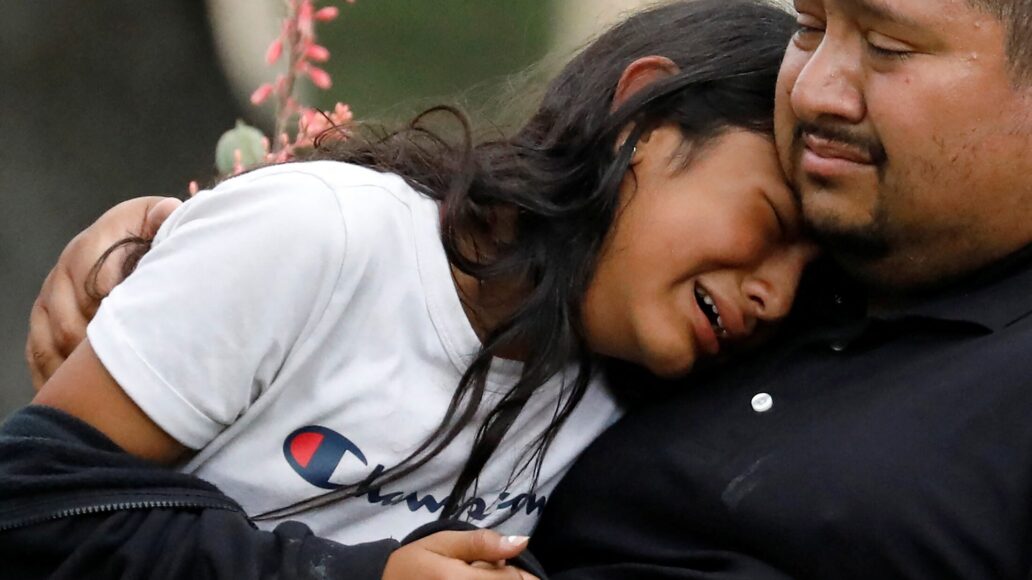
Igor Volsky became a violence-prevention activist almost overnight. In 2015, while director of video at the Center for American Progress, he took to Twitter after the December mass shooting of 14 at a health-department holiday party in San Bernardino, Calif. — a tragedy not unlike those in recent days in Buffalo and Uvalde, Tex.
Angry, Volsky retweeted posts by dozens of lawmakers offering “thoughts and prayers,” calling them out for their votes against gun control, their contributions from gun-rights groups, and their National Rifle Association connections. “Your prayers aren’t enough, Sen. Cruz,” he told Texas lawmaker and then presidential candidate Ted Cruz. “Do something helpful & support actual gun reform.”
- Arthur M. Blank Family Foundation Donates $50 Million to Historically Black Atlanta Colleges
- Trump’s Data Cuts Could Leave Nonprofits ‘Flying Blind’
- Is the Right to Give Freely Under Attack?
- How Youth Villages Finds Success Where Others Fail
- How ‘Promote Giving’ Will Raise Millions for Charities
- The Nonprofit Legitimacy Crisis and How to Fix It
- How to Bridge a Funding Gap
- Foundations Commit $500 Million to Curb AI Developers’ Influence
- How to Recruit and Lead Staff Who Truly Know Your Community
- Matchmakers Help Charities Find Merger Partners
That was Volsky’s first big foray into gun control and violence prevention. Today, with philanthropy backing, he has a full-time mission to force politicians — including President Biden and other Democrats — to live up to their words and act. In 2016, he launched Guns Down America, a grassroots group supported by the Fund for a Safer Future, a donor collaborative that includes the Annie E. Casey Foundation, the Heising-Simons Foundation, the Joyce Foundation, the Kendeda Fund, and the Lefkofsky Family Foundation, among others.
Guns Down America, Volsky said, was born at a time “when funders were interested in establishing an organization that helped build out the left flank of the gun-violence prevention movement.”
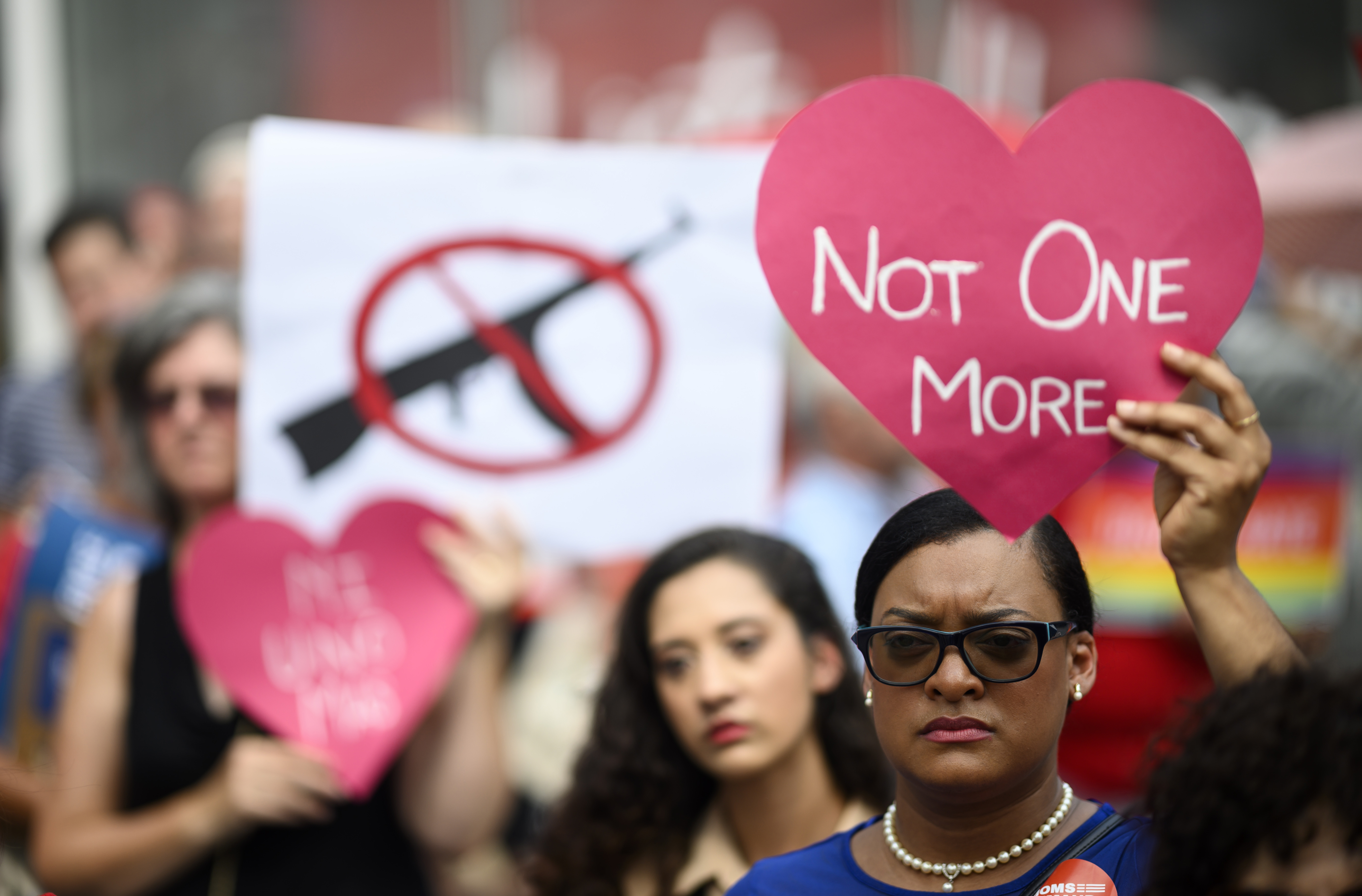
That left flank — whose best-known member is perhaps March for Our Lives, the group formed by students after the shooting at Marjory Stoneman Douglas High School in Parkland, Fla. — has been disappointed by the Biden’s administration’s efforts on gun violence after a 2020 campaign filled with promises on gun control. The White House gets high marks for pushing states and localities to earmark hundreds of millions in federal Covid-19 relief funds for community-based violence-prevention efforts. But no new major gun legislation has passed. Democrats only narrowly control Congress, but critics say the White House has not done enough to advance bills. The House last year passed two bills tightening requirements for background checks at gun shows, but the Senate has not taken them up.
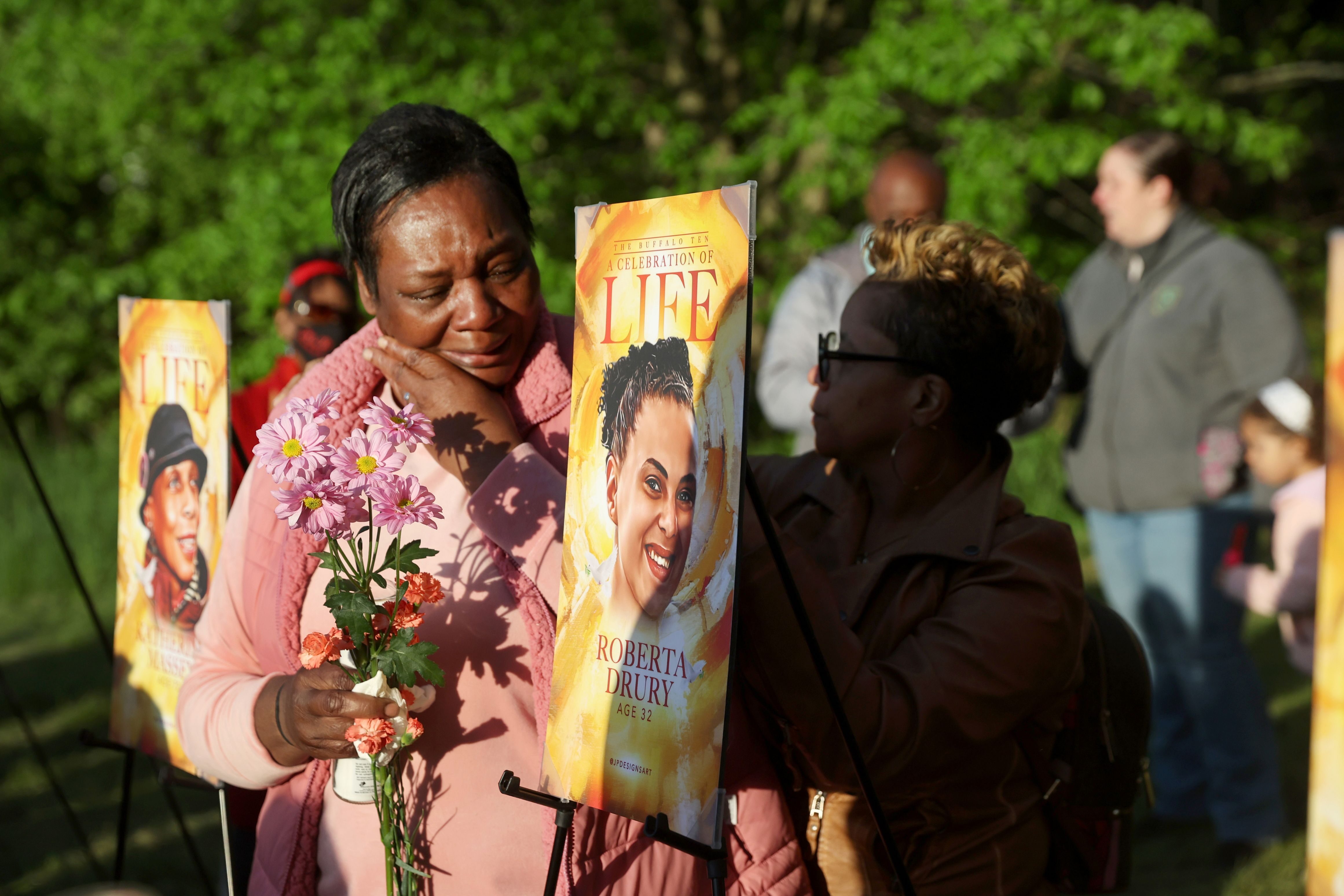
Volsky remains disappointed after last night’s speech by the president in the wake of two mass shootings in 10 days that claimed 10 lives in Buffalo and at least 21 in Texas. He had hoped that Biden at least would have announced a new White House office of violence prevention.
“It was bizarre to me that the White House asked for prime time to do an address and offer no tangible vision, plan, strategy, timetable for what this administration would do to tackle the crisis,” Volsky said. “Nobody — particularly not the survivors — needs any more condolences from this president.”
The Chronicle spoke with Volsky about what’s to come following the shootings in Buffalo and Texas and the role of philanthropy in the movement.
After every mass shooting, people ask: “Will this be the one that leads to change?” So I have to ask: Will these two result in anything of significance?
It’s up to Joe Biden. The challenge — and this certainly is going to be our focus — is really to get this president and the lawmakers who run on this issue during the election season to understand that they have to not only live up to the promises that they make voters every single year but that they have to truly prioritize this issue. That’s what voters expect.

There’s no muscle memory in gun-violence prevention for actually doing anything. All the muscle memory is to say a lot of words, talk about how sad you are, blame the other side, and move on. What I’m trying to do is to break that cycle and to get this president to understand: “Yes, I may lose because I don’t have 60 votes [in the Senate] and I can’t break the filibuster. But ultimately, I want to set a new standard for how one reacts to a crisis like this.”
One reacts not through words; one reacts through a fight. And for a president who considers himself a champion on this issue, to me, that’s the absolute bare minimum.
But hasn’t the president fought on this issue at times?
He’s shown parts of that fight. The administration has held multiple events at the White House, and he has used the bully pulpit to an extent and spent time with survivors. And to their credit, the administration truly understands the importance of investing in community-violence prevention programs.
Morally and politically, they have a responsibility to fight on this issue. Mass shootings like these remind Americans once again that they could get killed randomly doing the most mundane things of life, like grocery shopping. I don’t understand the political calculation to simply ignore that crisis rather than explain to the American people that there are ways to prevent tragedies like that. The White House is absolutely convinced that even though background checks, an assault weapon ban, and all the stuff we advocate for is super popular, they can’t talk about them. That’s just so silly.
Is philanthropy doing enough in the movement?
There’s progress in the right direction. The funding base is far more diverse. There’s greater interest, even though that interest is small relative to other issues. In understanding and supporting the work, there’s a much greater understanding of what the gun-violence problem looks like. And as a result, there’s a far deeper investment in communities and community-violence prevention. Frankly, Parkland and the energy that came out of it unlocked a lot of those doors.
In terms of the movement as a whole, it’s certainly stronger than it was 10 years ago, since [the Sandy Hook Elementary School shooting in Newtown, Conn.] But the problem is that when we have a Democrat in the White House, there is just not the drive or strategy to hold that president accountable to the promises he makes on this issue. I think that’s a blind spot for the movement.
Is that also a blind spot for philanthropy?
I think a blind spot in philanthropy is funding efforts to specifically hold those in power accountable when those in power are progressives or Democrats who during election season promised to do all kinds of things.
This interview has been edited for brevity and clarity.