As War Rages in Iran, Nonprofits Must Fight Islamophobia in the U.S.
Civic institutions can shift the anti-Muslim narrative by elevating positive stories, fostering cooperation, and modeling a more inclusive vision of America.

By Eboo Patel
Contributor
March 5, 2026 | Read Time: 6 minutes
Keep up with everything happening in The Commons by signing up for our monthly newsletter.
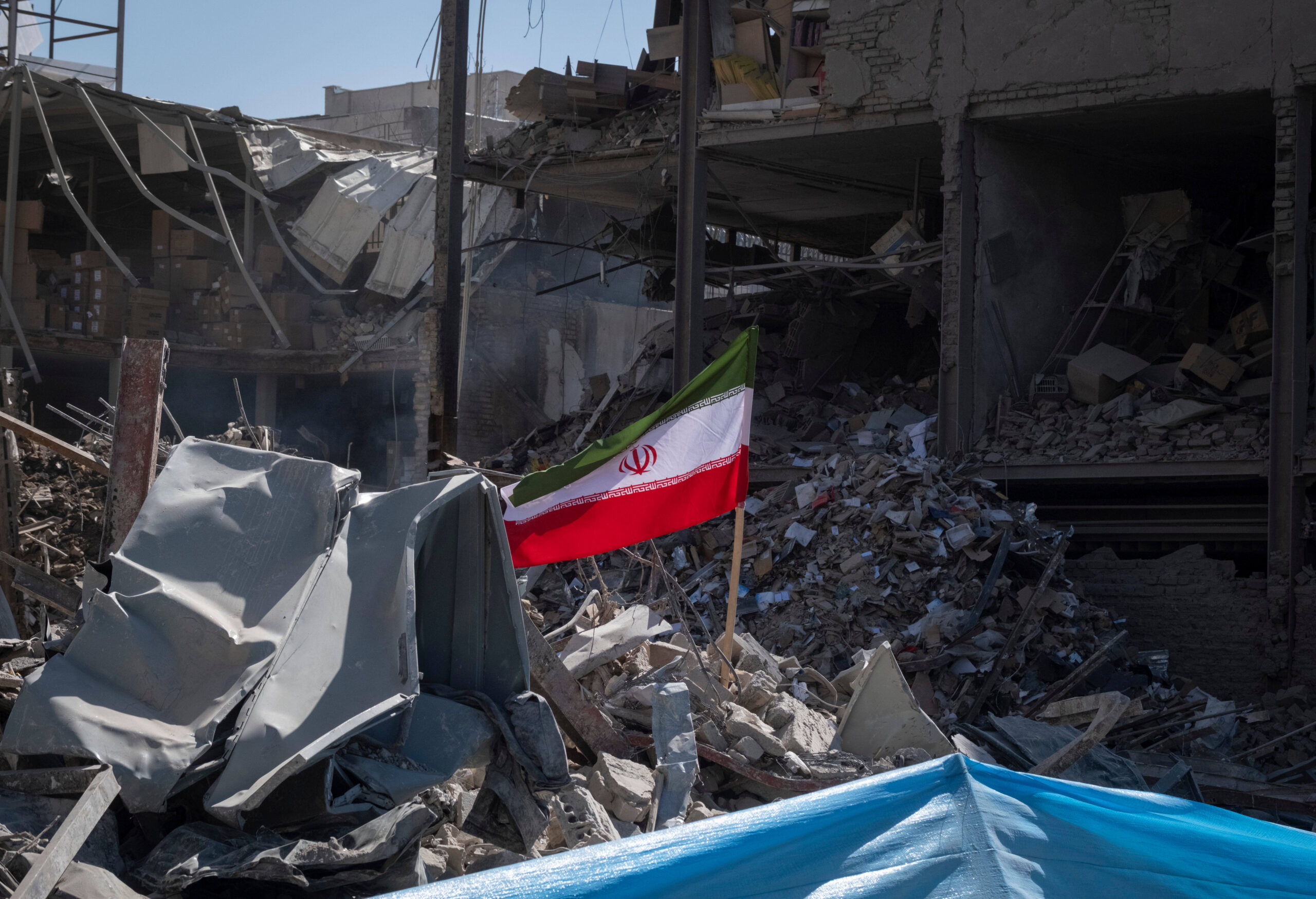
“This is going to suck for Muslims here,” my 15-year-old son said morosely as we watched the news that the United States and Israel had launched a military attack on Iran.
He’s right. Every time the United States is at war with an enemy associated with Islam, it leads to a rise in Islamophobia in this country.
The FBI statistics include hate crime incidences such as arson attacks on mosques. But Islamophobia also rears its ugly head in casual comments in high school hallways. I have painful memories of this growing up in the western suburbs of Chicago in the late 1980s and early 1990s. When the Ayatollah Khomeini led “Death to America” chants in the streets of Tehran, kids in my high school cafeteria joked that we should be chanting “Death to Muslims” in the streets of Chicago — while giving me menacing looks.
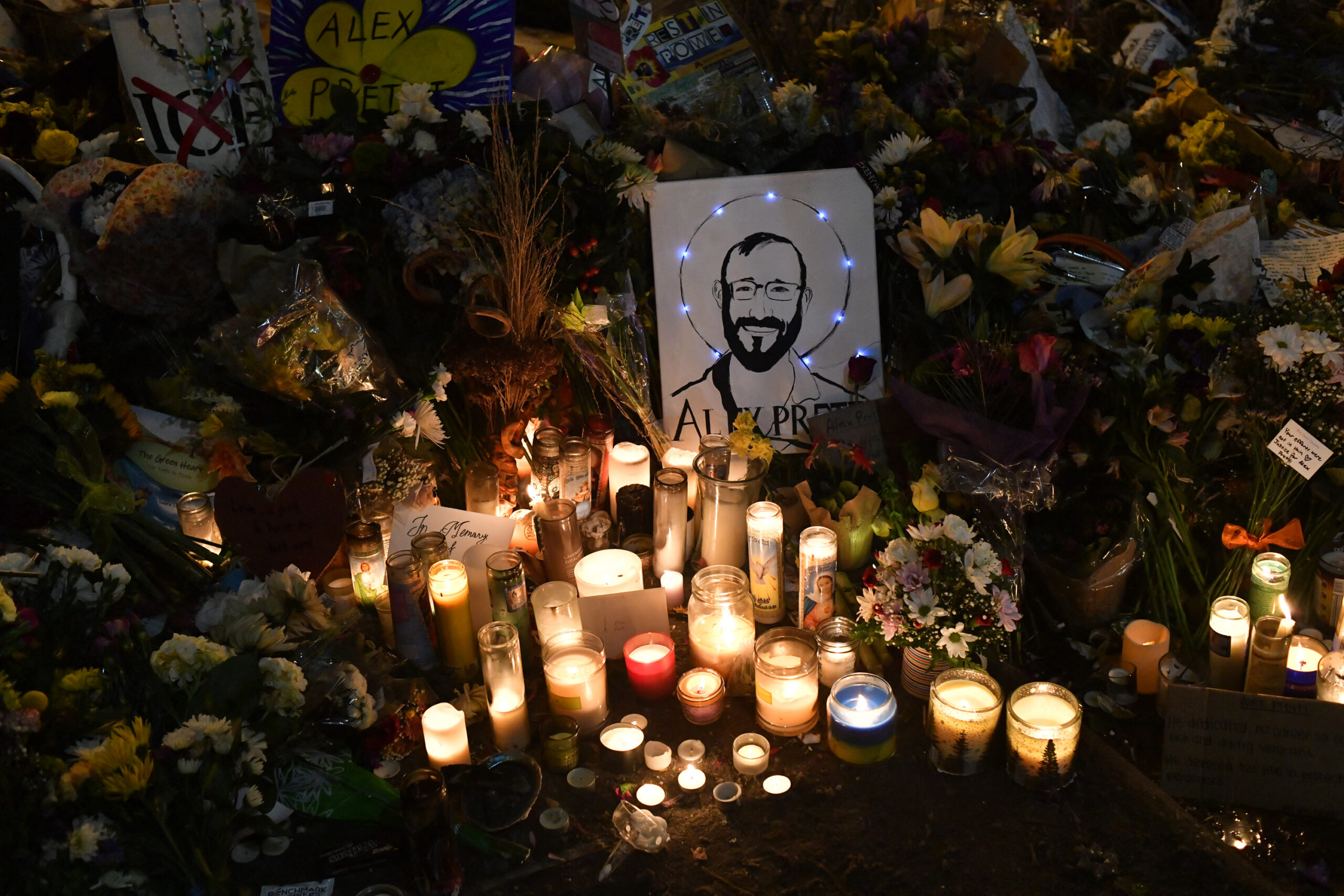
Certainly, this is a form of racism, but it is also how human minds naturally work. We develop generalizations about categories of people based on easily available information and then apply those generalizations to all members of that group. Repeated media images of Muslims engaged in violent acts create associations between Muslims and violence, leading to stereotypes of regular Muslims at work, school, and elsewhere. The scholar Daniel Kahneman calls this our “system 1” thought process. It is immediate, intuitive, and involuntary.
A Better Way to Battle Prejudice
Prejudice is a violation of people’s dignity and a barrier to their contribution to the broader community. The problem is that fighting prejudice straight on — say, by lecturing people about how odious and unfair it is to stereotype all Muslims as violent — only serves to further inscribe it.
My friend Trabian Shorters, the CEO of BMe Community, is one of the leading nonprofit thinkers in this area. As he told me on an Interfaith America podcast, “If the only associations that get heavily repeated are negative ones, then this group becomes something or someone that you are literally physiologically hard-wired to want to either avoid, control, or kill.” (Trabian Shorters is the Chronicle of Philanthropy’s board chair but was not involved in this piece.)
By extension, calling people racists or Islamophobes might feel emotionally satisfying, but it only further entrenches negative associations about the group in question. It also solidifies an oppressor/oppressed framework.
Fighting prejudice through a pluralism paradigm is far more effective. Such an approach emphasizes appreciation for the identities of other groups and an understanding of your own community as welcoming of diversity.
In the recent past, U.S. presidents embraced these ideals. In the aftermath of 9/11, George W. Bush famously went to a mosque and said, “Islam means peace.” In a major address in Egypt during the first months of his presidency, President Barack Obama spoke powerfully about his admiration for the tradition of Islam and expressed appreciation for the contributions of Muslims to the United States.
Our current commander in chief has sought to ban Muslims from immigrating to the United States and expressed the view that “Islam hates us.” The effect is to raise the volume on the Muslims-are-violent stereotype and define the United States as being in inevitable conflict with Islam.
A 5-Step Plan for Civil Society
To fight back, universities, foundations, libraries, museums, and other responsible civic institutions must generate positive and accurate narratives about Islam and help Americans understand their nation as a welcoming place for Muslims.
Here are five concrete steps to take:
- Throw away the oppressor/oppressed playbook. Do not present Muslims as simply victims of Islamophobia. Do what Trabian Shorters calls “asset framing.” Change the narrative about Islam and Muslims by emphasizing positive and relatable stories. For example, some of America’s most accomplished athletes and artists — Muhammad Ali, Kareem Abdul-Jabbar, Dave Chappelle, Ibtihaj Muhammad — are Muslim. Muslims make up only 1 percent of the American population but nearly 5 percent of American physicians.
- Define the United States as a nation that has long had a positive relationship with Islam and Muslims. Thomas Jefferson reverently owned a Quran. Benjamin Franklin built a hall in Philadelphia and expressly said it would be open to Muslim preachers. Muslims made up a significant number of the Africans brought to the United States as slaves, and their ritual practices impacted American culture by shaping blues music, among other things.
- Don’t pit antisemitism and Islamophobia against each other. They rise and fall together.
- Tell inspiring and relatable stories of people from different faiths supporting one another. For example, during last year’s March Madness basketball tournament, University of Connecticut star Paige Bueckers woke up early every morning to make breakfast for her Muslim teammate, Jana El Alfy, before she started her daily fast for Ramadan.
- Support programs where people of diverse faiths have a chance to cooperate across lines of difference on concrete projects, such as building Habitat for Humanity homes and volunteering in food pantries. The Team Up Project, founded by Catholic Charities, the YMCA, Habitat for Humanity, and my organization, Interfaith America, seeks to do this at scale.
Periods of prejudice can be followed by expansions of pluralism, and civic institutions can lead the way. Consider, for example, that the anti-Jewish, anti-Black, anti-Catholic 1920s was followed by the emergence of the Judeo-Christian America construct — an expansion at the time from Protestant America. This new thinking directly inspired the civil rights movement of the 1950s and 1960s.
A civic institution called NCCJ played a key role in that era by following the pluralism playbook. That entailed emphasizing the positive and relatable aspects of Judaism and Catholicism, telling stories of the contributions that Jews and Catholics made to the nation, defining America as a country that welcomed people of various religions, and facilitating cooperative projects between diverse faith communities.
The Judeo-Christian construct worked well for some 80 years. But it’s time to write the next chapter in the story of American religious diversity — one that rejects religious prejudice in all forms and is inclusive of Muslims, Hindus, Buddhists, Sikhs, Jains, atheists, and all others.
The Commons is financed in part with philanthropic support from the Arthur M. Blank Family Foundation, Einhorn Collaborative, and the Walton Family Foundation. None of our supporters have any control over or input into story selection, reporting, or editing, and they do not review articles before publication. See more about the Chronicle, the grants, how our foundation-supported journalism works, and our gift-acceptance policy.