Case Study: How a Company Picnic Raised $31,000 for Memorial Sloan Kettering

By Eden Stiffman
Senior Editor
July 27, 2015 | Read Time: 5 minutes
Sheralven Enterprises, a perfume wholesaler in Long Island, N.Y., has a long tradition of annual company picnics. But although everyone enjoyed the barbecue meal and water-balloon toss, “the picnic seemed very self-serving,” says Stephen Koss, Sheralven’s chief executive.
So this year, the company decided to do something different.
Mr. Koss’s father, the business founder and chairman, is a survivor of prostate cancer. And at least six of the company’s nearly 200 employees have suffered various types of cancer. Several of them, including the senior Mr. Koss, were treated at Memorial Sloan Kettering Cancer Center, which has a location a few miles away.
“We felt that Sloan was a great organization, and we really wanted to make a difference,” says the younger Mr. Koss.
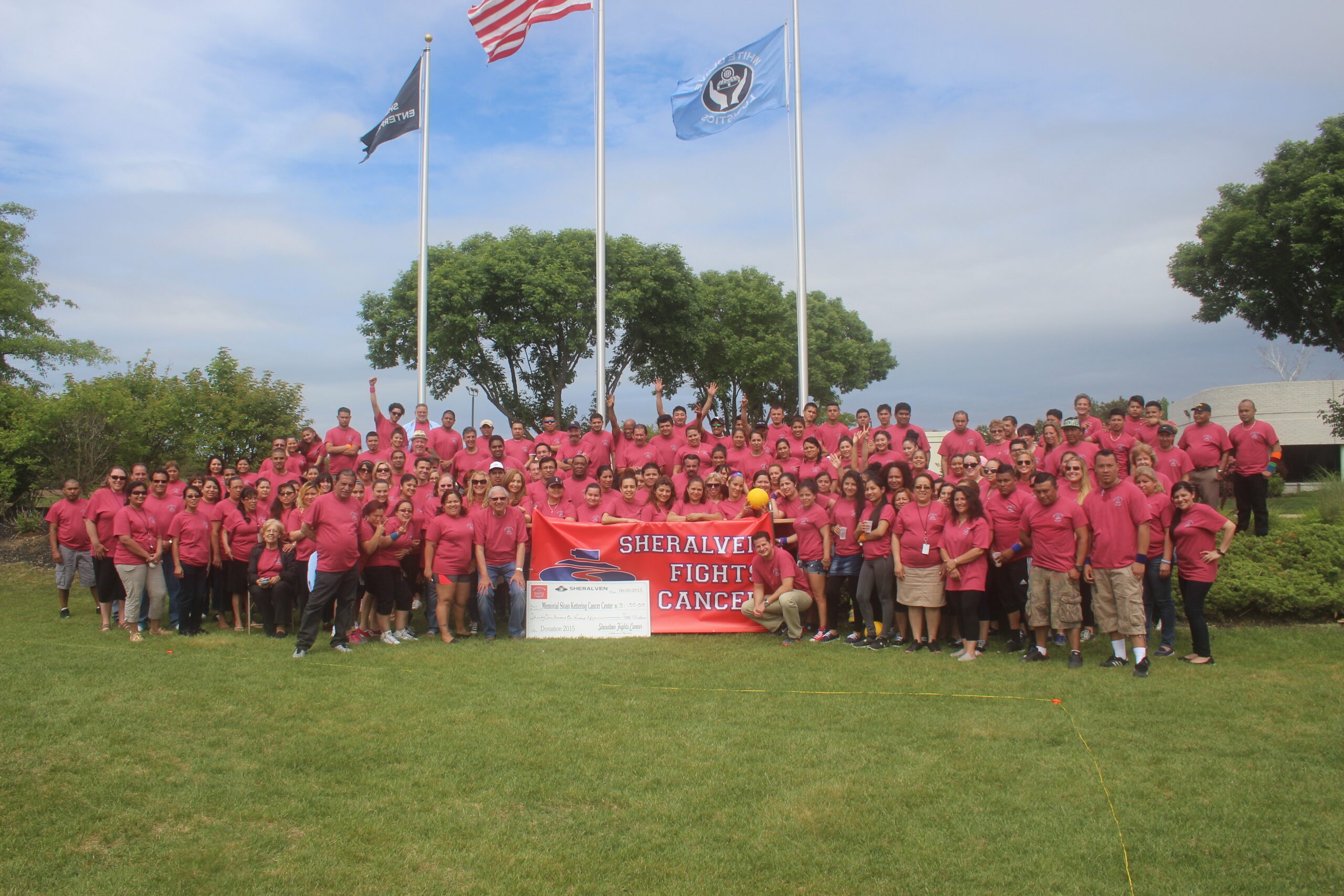
The company decided to call this year’s picnic “Sheralven Fights Cancer,” and the June event concluded with employees posing for photos with a giant check for more than $31,000.
“We’re just very proud of the fact that our picnic had a purpose,” said Mr. Koss.
And the company raised the money with just a little help from Memorial Sloan Kettering.
How They Did It
A Sheralven staff member called the cancer center’s fundraising hotline and was directed to its online community events page, which explains the process for hosting a benefit event in the center’s name. Businesses must complete an online form that includes a pre-event proposal providing details of the event, how much the company expects to raise, and how much it expects to spend on fundraising. The key to receiving approval is keeping fundraising costs below 20 percent of the total raised, explains Jae Rindner, a senior annual giving officer at the cancer center.
That was no problem for Sheralven. Because the company combined the benefit with an existing event, it didn’t take any of the donations to cover costs. The picnic cost $10,000 to host, compared to $7,500 last year, before the picnic became a fundraiser. All the money employees donated went directly to the cancer center.
After a company’s event is approved, it receives an acceptance letter and must sign an agreement that outlines rules for hosting an event. For example, companies must agree that individuals involved with an event will not keep any portion of the proceeds as compensation. Only companies that raise $25,000 or more are allowed to use Memorial Sloan Kettering’s logo to promote the event. The charity reviews all materials that use its name or logo, even for smaller organizations, which may not be able to raise as much money, says Brianne Baird, associate director of corporate and foundation relations at the cancer center.
Upon approval, her office sends companies some fundraising tips and a packet with information about engaging employees in the effort, as well as items for event giveaways, like branded sunscreen or lip balms. The cancer center also has the capability to allow companies to create their own personalized online giving pages to broaden their reach.
Rather than raise money just from employees, Sheralven extended the appeal to customers and to stores that sell its perfumes. After Sheralven created its donation page, the company sent the link to every customer and vendor in its database, as well as a letter by mail. It sent personalized emails to some of its biggest vendors and followed up with another email.
On the company side, a link to the donation page was added to staff emails, and all outgoing paychecks in June included information about the charity. Sheralven also donated a week of sales — just over $5,000 — from the small retail shop outside its corporate headquarters.
At the picnic, everyone wore “Sheralven Fights Cancer” T-shirts. The company held a round-robin volleyball tournament where the six winning players received $100 each and the six players on the second-place team won $50 each, with Sheralven matching prize dollars with a gift to Sloan.
Sheralven continued accepting employee donations through the end of the month, bringing the final donation tally to $31,150, well over the original $25,000 goal. Employee donations represented about 10 percent of the total raised—90 percent came from the company’s vendors.
Beginning July 1, Sheralven will start raising money for next year, with a big push in the last 60 to 90 days before next year’s picnic. The goal is to double donations next year and continue growing year after year, with a goal of raising $1 million over the next 10 years.
Advice for Nonprofits
For other nonprofits interested in partnering with businesses for fundraising events like the picnic, Ms. Rindner says it’s important to keep things simple. “Come up with two or three turnkey programs that make sense for your organization but are also customizable,” she says. Last year alone, the cancer center benefited from more than 150 community events held by corporate partners.
These kinds of events almost always begin with a brainstorming session, and everything from fashion shows to car shows has been successful. Businesses need to determine what fits their employees best, says Ms. Baird: “Make sure the charity you partner with fits the passion of your employees as well as your company’s business objectives.”
The cancer center hopes to leverage the events planned with companies like Sheralven into longer-term partnerships, since employees are already committed to the cause. The cancer center brings researchers and other staff to some of these businesses to talk about the work that their donations support. For instance, a top breast cancer oncologist might speak to a group of female employees about breast cancer, or experts might come for a summer event to answer employees’ questions about skin cancer.
“It’s a really great perk for these companies to offer their employees direct access to our knowledge base,” says Ms. Baird.
Mr. Koss says that he’ll continue to promote the company’s charitable fundraising during business meetings. Sheralven now has a big trophy in the lobby that displays the amount of money raised.
His advice to other companies? “If you really want to raise money and do a good job,” he says. “the earlier you start, the better off you are.”