

August 11, 2014 | Read Time: 2 minutes
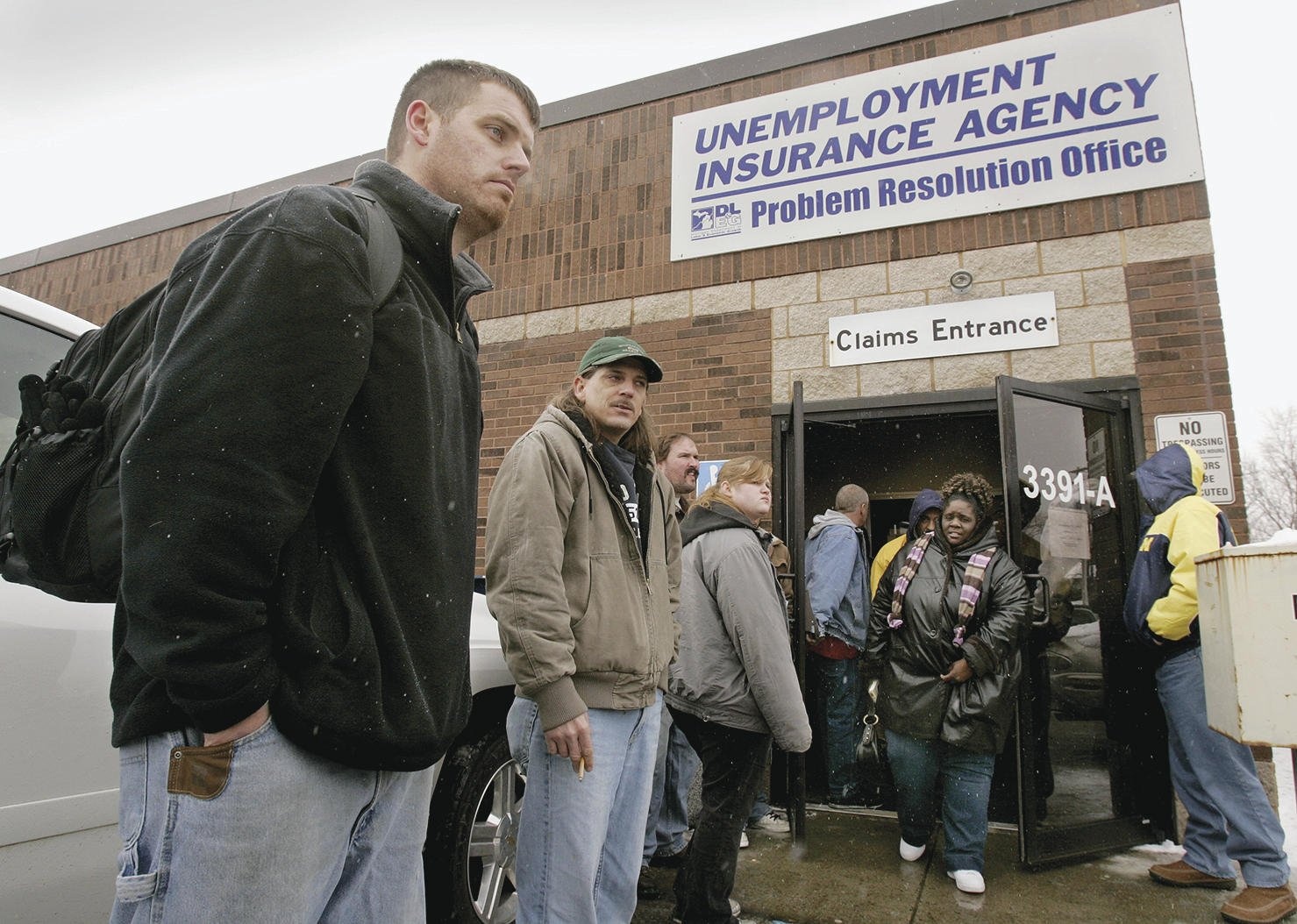
State benefits offices in Michigan were inundated during the 2008 recession with requests from laid-off workers seeking help, and quickly found themselves unable to keep up.
As foundation leaders and state government officials scrambled to overhaul the computer system that tracked eligibility for government support, it became apparent that the two sides were worlds apart on how to proceed.
The state’s Office of Foundation Liaison, led by Karen Aldridge-Eason, convened a series of discussions to find common ground.
“It was not a happy-camper work group,” she says.
But she persevered, and in 2011 the state and Michigan foundations created the Michigan Benefits Access Initiative, which made it easier for residents to access a range of benefits, including food stamps, health care, and child care and energy subsidies, at a single web portal that went live in late 2012. Foundations have supported the effort with more than $9-million, which was used to design the program and train nonprofit workers that serve the poor on how to use the site.
Below are additional examples of how nonprofits can work effectively with government liaisons:
Streamline and advocate for government programs
Ms. Aldridge-Eason worked with state and foundation leaders to create the Early Childhood Investment Corporation in 2005, which combined the work of more than 80 state agencies under one roof. Beginning with $6.5-million from the W.K. Kellogg Foundation, the group studied how state services were delivered to children, developed a statewide child-care database, and trained child-care providers.
The work resulted in the creation of the state’s Great Start office in 2011. The office has received budget increases of $65-million in each of the last two-year budget cycles for its pre-kindergarten programs for poor children.
Support nonprofits that are stretched thin
Connecticut’s nonprofit liaison, Terry Edelstein, took a longstanding grievance of nonprofits—that governments and most foundations don’t support capital improvements—straight to Gov. Dannel Malloy. Ms. Edelstein’s advocacy helped build support for grants to nonprofits to replace heating systems and windows and to patch roofs. This year Mr. Malloy more than doubled the money available, to $50-million.
Evaluate programs
Denver’s Office of Strategic Partnerships has placed an employee at mPowered, a nonprofit that provides financial-literacy courses at city housing projects. The office also wrote a proposal for mPowered that secured a $1.9-million grant from Bloomberg Philanthropies and the Living Cities’ Cities for Financial Empowerment Fund to chart the project’s performance over the next two years.







