

March 7, 2017 | Read Time: 2 minutes
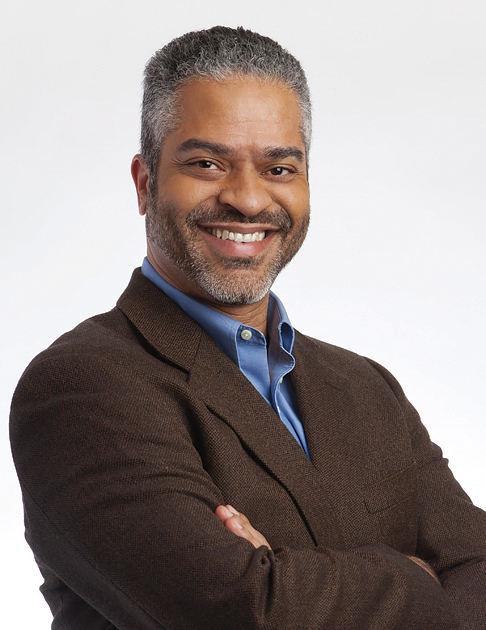
Rodney Christopher grew up poor in a family that was often on welfare. That was decades ago, but he still has moments when his childhood poverty makes him feel like an outsider.
Even something as simple as knowing which fork to use at a formal dinner has brought him up short.
“I had to observe what other people were doing,” he says. “I played it off with the best of them, but I had a minor panic moment.”
It was a small but telling dilemma, an example of the everyday challenges people from modest backgrounds face when they work in foundations and large nonprofits, Mr. Christopher says.
“There are things that people who grow up in middle- and upper-middle-class families with educated parents and a knowledge of how money works just take for granted,” he says.
Today Mr. Christopher is a director of capital markets at the Heron Foundation, in New York City, but he notes that he’s speaking for himself and not as a representative of the foundation.
Early in his nonprofit career, Mr. Christopher says, he worked hard to hide the fact that he grew up poor. He feared superiors would think he wasn’t as strong a candidate for advancement as someone who had more opportunities in their formative years.
Now that he’s older and more established, he makes a point of talking about what it’s like to live in poverty as part of his role as a grant maker. Heron officials appreciate his insights, he says, but in conversations in the broader foundation world, he often gets pushback.
“I’m sometimes told a variation on, ‘But you’re one person; we’re looking at the big picture,’ ” he says. “It’s as if my experience somehow gets dismissed in the broader scheme of what they know because they’ve done academic research.”
Mr. Christopher says philanthropy’s increasing focus on demonstrating impact doesn’t always square with its mission to help people. Experiments that compare the results of individuals who receive assistance with a control group that doesn’t get aid make him very uncomfortable.
He thinks it would be much harder for researchers and funders to justify trials of this type if they could imagine their mother or another family member in the control group.
“Humanity gets lost in these conversations,” he says. “And I think that’s easier when there are not people in the room who come from modest backgrounds and who feel comfortable speaking up about it.”





