What Biden Means for Nonprofits Focused on International Aid

By Ben Gose
Senior Editor
December 1, 2020 | Read Time: 3 minutes
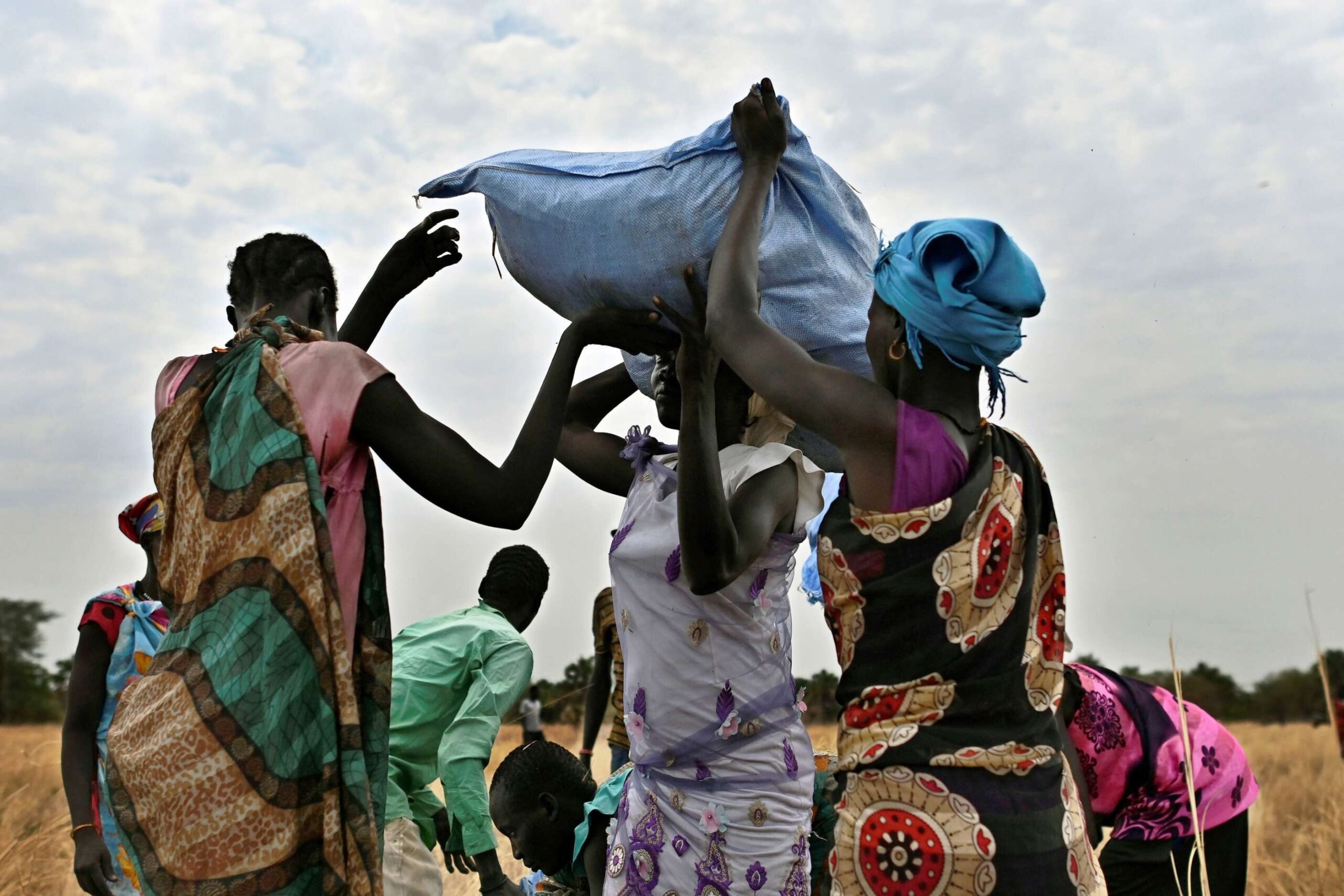
International aid and relief organizations are hoping for more tranquility under a Biden administration after years of fighting off budget cuts from the Trump administration.
President Trump often called for budget cuts of 20 to 30 percent in international aid — only to see those cuts later restored by Congress. Even so, the lack of predictability hurt some American nonprofits and their partners abroad.
- A Nonprofit Wish List for Biden: a Cabinet-Level Agency, Charitable-Deduction Changes, and More
- What Biden Means for Nonprofits Focused on Health Care
- What Biden Means for Nonprofits Focused on Racial Justice
- What Biden Means for Nonprofits Focused on Immigration
- What Biden Means for Nonprofits Focused on Social Services
- Grant Makers Urged to Stay Focused on Climate Change in Biden Administration
“It’s been incredibly disruptive for the groups like CARE or Save the Children and their local partners,” says Conor Savoy, executive director of the Modernizing Foreign Assistance Network, which promotes effective foreign aid. “They have been told no money is coming. They plan for no money, including laying off staff. And then all of a sudden, the money comes through. You will have more stability under Biden, and that will be welcomed by many of the NGOs that I work with.”
The inconsistency has been even rougher on local partners in developing nations, Savoy says. “You can make or break them with one grant.”
Robert Bank, president of the American Jewish World Service, says the Biden presidency will be an opportunity for the United States to re-engage with other nations — to help the marginalized, combat global warming, and address the international Covid-19 crisis.
“This is a historic turning of the ship,” Bank says. “It’s a major opportunity for a global reset with respect to American diplomacy.”
Bank expects Biden to push for a “robust” international response to Covid-19. “We can count on the Biden administration to recognize that the pandemic is an international problem requiring an international solution,” Bank says.
Biden has vowed to rejoin the World Health Organization. President Trump pulled out of the organization, citing its mishandling of the pandemic.
But Amanda Glassman, executive vice president at the Center for Global Development, says U.S. spending on global health security, which helps countries prepare for outbreaks, has been insufficient under Trump.
“No one thinks that our preparedness for a new pandemic is adequate,” Glassman says. “Basic statistics were not available in the midst of this outbreak. Part of the reason is that we just don’t know what’s going on in so many parts of the world. If we were faced with a more aggressive virus, we would be in a difficult spot.”
It’s not clear if Biden’s re-engagement internationally will mean more money for aid. Even Democrats in the House did not include significant funds for international activities in their most recent proposed coronavirus relief package, Savoy says.
“There will be an overwhelming amount of pressure to focus on the domestic,” he says “We will need to continue to make the case to them that the international investments are equally important.”
Biden is also expected to use an executive order to overturn a policy prohibiting international groups that receive federal aid from mentioning abortion. The so-called global gag rule has been imposed by Republican presidents since 1984.