
Generation X Comes of Age as Donor Group With Big Potential
Between boomers and millennials is a cohort whose members balance busy lives with a desire to fix problems. Fundraisers should pay attention.

By Heather Joslyn
Contributor
September 6, 2016 | Read Time: 17 minutes
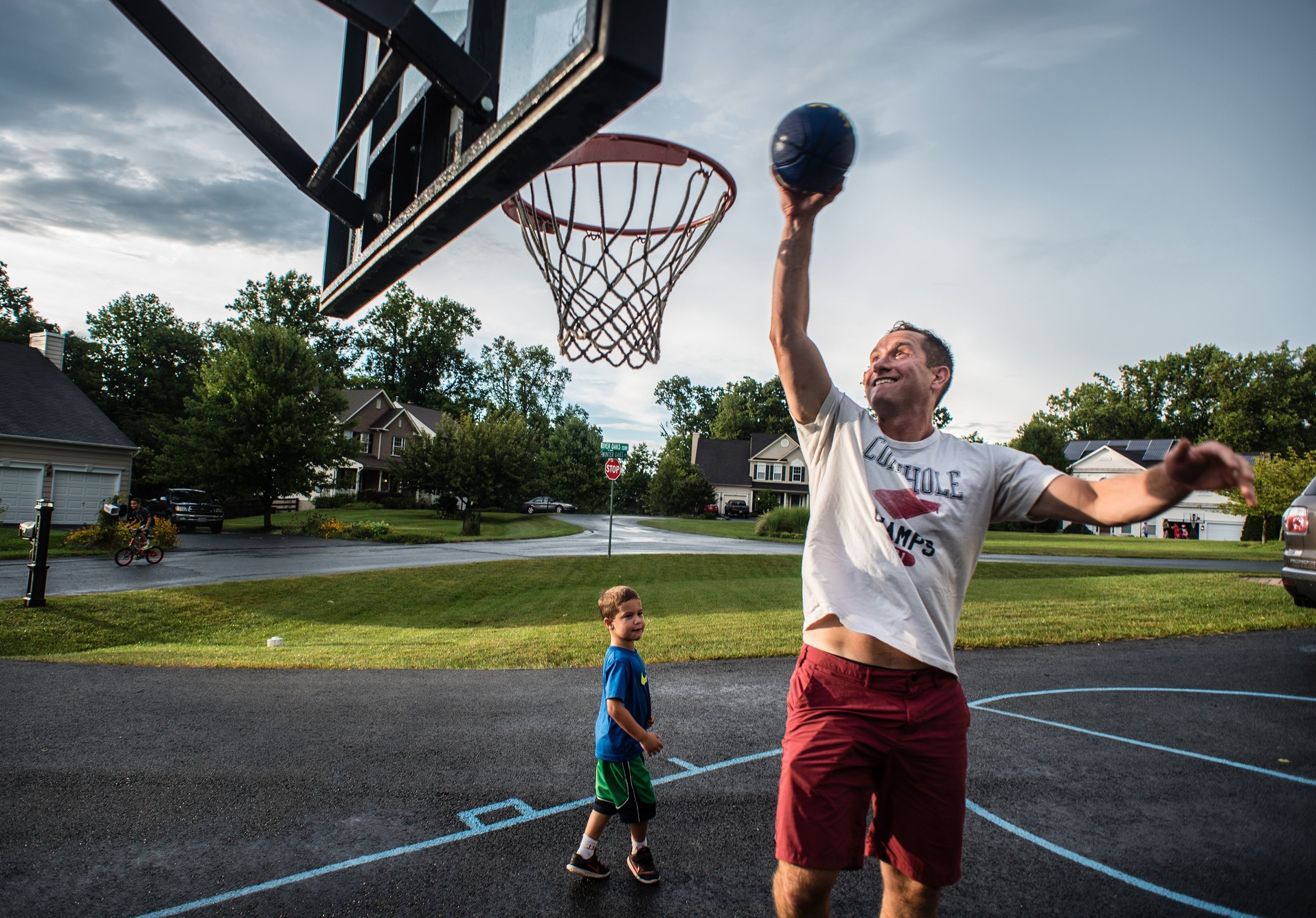
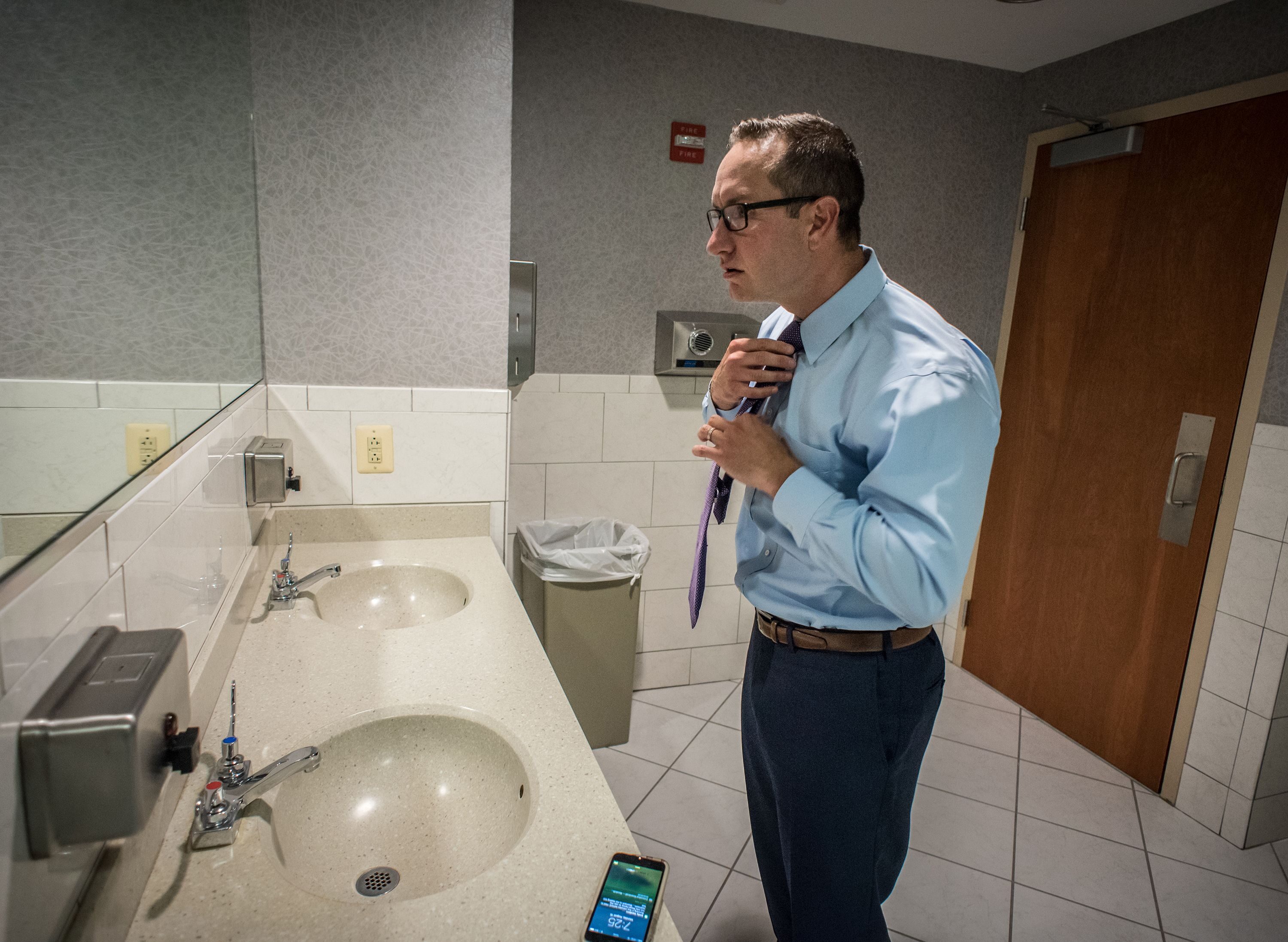
Josh Frederick’s life sounds exhausting. Full, but exhausting. “I wake up at about 4 or 5. I go work out with friends,” he says. Then he hurries to his job in the Baltimore suburbs as senior sales manager at Advance Business Systems, which provides technology to other companies.
After work, it’s family time; he and his wife have three kids, all younger than 10. He coaches his daughter’s soccer team, and in the fall he’ll also oversee his son’s basketball squad.
On the cusp of turning 38, Mr. Frederick says he’s made peace with this hectic pace. “Like Muhammad Ali said once about training, ‘I’m suffering now so I can live the rest of my life as a champion,’” he says. “I want to look back at my life and see that I’ve made a difference.”
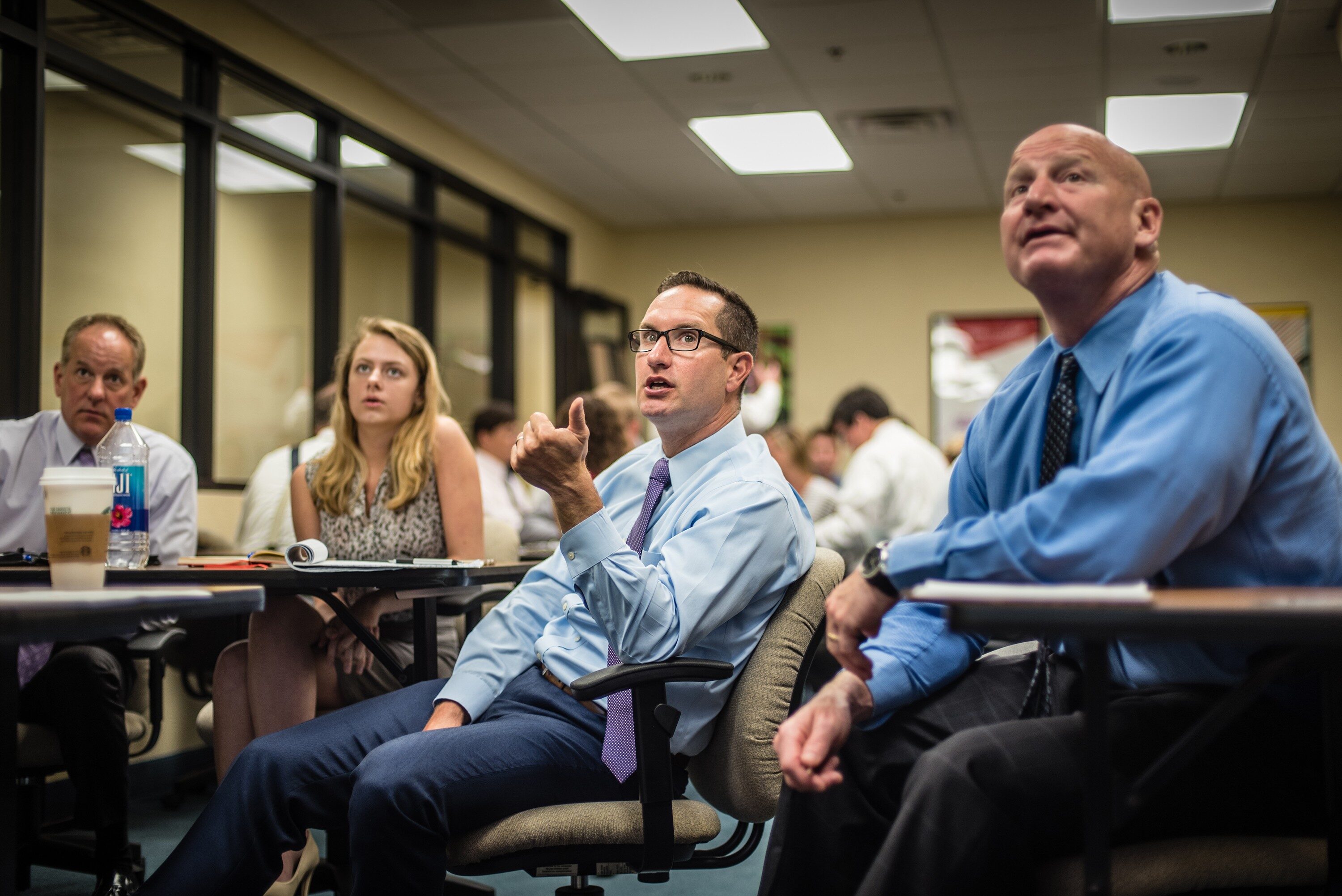
He gives away 5 percent of his income each year, and he’s always made time for philanthropy. Three years ago, he was scouting charities to support when his boss suggested the local Jewish federation, The Associated. After a get-acquainted lunch with a fundraiser, Mr. Frederick wound up in the federation’s two-year Young Leadership Council program, which grooms professionals for future board service.
Now he chairs the council. And sits on the board of another Associated leadership-development program. And serves on the board of his synagogue. And did we mention the coaching-two-teams-at-once thing?
Yet when Mr. Frederick has time to look around, he notices something. While some of his friends volunteer or generously support charities, many don’t. “Either they say they’re too financially stretched or too busy,” he says. “Or there’s not that sense of being compelled to do it. There’s not that sense of connection.”
Why? Maybe, giving experts suggest, charities are simply not paying enough attention to Generation X. Mr. Frederick and his cohort have a lot to offer today, and they could be invaluable in just a few years.



The In-Betweeners
Ask fundraising experts whether charities neglect Generation X, the 66 million Americans tucked between the baby boomers and the millennials, and the answer is almost always, “Yes, but …”
Right now, the baby boomers — born from 1946 to 1964 and 74.9 million strong — are where the money is for charities. They account for about 40 percent of all giving, according to new data from fundraising-software company Blackbaud. And with the eldest boomers now hitting their 70s, fundraisers are under pressure to lock down their bequests.
At the same time, charities are looking to the future and eagerly courting the millennials (born 1981 to 1997), who outnumber even the boomers at 75.4 million and seem primed for robust giving — one day. Though they contribute less than 9 percent of all gifts now, they are “a shiny object for marketers,” wryly notes Jeff Brooks, author of the Future Fundraising Now blog and creative director at TrueSense Marketing, a fundraising consultancy.
Still, Mr. Brooks says, Gen X has big potential. “The boomers are a gold mine; Generation X is a smaller gold mine,” he says. As the eldest Gen Xers enter their 50s — as their kids move out, their parents die, and their earnings peak — opportunities open up for fundraisers, he and other giving experts say.
“Even though Generation X might not be the most valued donors in organizations’ files today, they absolutely will be tomorrow,” says Dara Royer, chief development and marketing officer at Mercy Corps.
Forty-seven percent of the international relief charity’s donors are boomers; 27 percent are Gen Xers. But Ms. Royer warns that boomer-centric messaging can come at the expense of bringing more Gen X supporters on board and can turn into a “self-fulfilling prophecy” for nonprofits.
Wooing Gen X, she acknowledges, is “a longer-term play, and that’s hard for organizations. But I think the time to start paying attention to them is now.”
America’s ‘Middle Child’
Generation X is used to being overshadowed. A 2014 Pew Research Center study referred to it as “America’s neglected ‘middle child.’ ” Born from 1965 to 1980, Gen Xers grew up and came of age in the years of AIDS and crack and a skyrocketing divorce rate.
Now in their mid-30s through early 50s, they’re a more diverse crowd than the boomers, more independent and pragmatic, more tech-savvy and comfortable with data. (Gen Xers created Google and Uber.)
They’re inclined to roll up their sleeves and help repair the world; they were the first to serve in AmeriCorps and Teach for America. And their traits and talents are ones that nonprofits will lean on more heavily as the years pass.
Some promising signs for charities:
Gen Xers volunteer the most. More than 29 percent donate their time, a larger share than any other generation, according to the Corporation for National and Community Service.
Robert Wahlers, 50, vice president for development at Meridian Health, has a theory about why. “I think they’re volunteering first to figure out the lay of the land, to figure out where they’re going to put their giving,” he says.
They’re focused. Gen Xers — and younger boomers — support about half the number of charities that older people do, according to Penelope Burk, president of Cygnus Applied Research, which will soon release its latest study on donor behavior.
Gen X is “definitely looking at philanthropy from a cost-benefit angle,” says Ms. Burk, and in a way that could help resource-strapped nonprofits. “Older donors tend to give a little money to a lot of organizations,” with little regard for how much it costs a charity to solicit such small repeat gifts.
That pickiness can result in more impactful giving, Mr. Brooks suggests. “It’s actually good advice: Don’t give 10 bucks to every charity that shows up in your mailbox. Choose a handful and really support them well.”
They’re eager to give. Gen Xers aren’t as likely as boomers to be major donors, but they account for 19 percent of gifts of $100,000 or more, according to Blackbaud. The much-hyped millennials, meanwhile, are behind a little under 11 percent of those large gifts.
No generation is more likely to generate small and midlevel gifts: Nearly 86 percent of revenue from Gen X donors comes from gifts of under less than $10,000, Blackbaud reports.
That number shows engagement. “Sustainers and bequests are the two biggest opportunities for organizations,” says Steve MacLaughlin, director of analytics at Blackbaud. “People who have been giving to you through direct mail or through an annual fund? Those people may not be major-gift prospects, but they’re absolutely where the bequests come from.”
Gen Xers’ average per gift per household is $196. (Boomer households give $241 per gift; millennials, $188). If your organization’s average gift from a Gen X donor is, say, $125, Mr. MacLaughlin says, “you are probably leaving money on the table.”
They want options. Midlife donors who give more modestly, or are new to philanthropy, may prefer giving circles with low contribution thresholds. “It’s important to have multiple price points, if you will, as well as multiple points of engagement,” says Christine Márquez-Hudson, 46, president of the Denver Foundation.
The community grant maker’s EPIC program (Elevating Philanthropy in Communities of Color) uses giving circles to help draw diverse donors together to learn about Denver’s needs and maximize their impact in addressing them. Many members come from Gen X. In August, the program received a $200,000 boost from the W.K. Kellogg Foundation.
More affluent Gen X donors may prefer to give noncash gifts. Donations of appreciated stock — shares owned for at least a year and a day that have increased in value — save the donor capital-gains taxes. “When people give appreciated stock, they tend to give more,” says Nadia Allaudin, 39, a member of several charity boards and a wealth-management adviser with Merrill Lynch in Los Angeles.
Yet a lot of charities don’t advertise that they accept such gifts or don’t have brokerage accounts to receive them, Ms. Allaudin says. Fundraisers sometimes seem unaware of the option.
Busy, Busy, Busy
Here’s the tricky part about courting Gen Xers: They are incredibly busy. “Chances are they’ve got kids still living at home, and they’re either at the apex of their careers or on their way up,” says Ms. Márquez-Hudson.
Because their work lives are typically in full swing, Gen Xers often look not only to do good with their giving but also to learn leadership skills and make career connections.
“If organizations can tap into that, they can be successful,” Ms. Márquez-Hudson says. But the outreach has to be efficient: “There’s a ton of stuff competing for their time, so it has to be meaningful.”
Fundraisers at Panthera, a wildlife-conservation group, discovered a workaround to snag busy Gen Xers, asking them to organize small fundraising events, called “insider briefings,” where the charity’s scientists talk about their work.

Gen Xers stepped up to host or help out with all five events the charity produced over the past year, says Richard Reeve, Panthera’s senior director of development. Major and midlevel donors in this age group, perennially pressed for time, respond enthusiastically to such opportunities, he says, because of the finite commitment. “It’s a one-off, and they don’t have to think about it beyond that.”
These time-pressed donors, Mr. Reeve adds, want communication to be efficient but also individualized.
“They really respond to the single, quick, back-and-forth email exchange more than any other age group,” he says. “More than the millennials, even.”
Ms. Allaudin, the Merrill Lynch executive, supports Mercy Corps and as many as nine other charities each year, giving away about 15 percent of her income to groups focused on girls, women, and the environment. She has little time to meet with fundraisers. Or patience.
“I don’t like the pomp and circumstance. I don’t want to have breakfast for an hour,” she says. “I know what they do. I use Charity Navigator, and at some point you just have to have faith. Besides, when you serve on a board, you know how the sausage is made.”
Far more than the boomers, Gen Xers harbor a certain skepticism about institutions — an attitude that extends to philanthropy.
Compared to older donors, “Gen Xers are less likely to say, ‘Oh, the Salvation Army does a good job,’ ” says Jeff Lydenberg, vice president of consulting at PG Calc, which advises charities on planned giving. “They say, ‘Show me how you make a difference. Show me children that are fed, how many people have been helped.’ ”
Gen Xers can be very “brand loyal,” though, once their trust has been won, says Ms. Royer of Mercy Corps. She says those her group has won over are flocking to monthly giving — unrestricted support that they, like the millennials, often avoid.



Gen X and Big Gifts
Making donors’ involvement a continuum puts charities in a strong position, the Denver Foundation’s Ms. Márquez-Hudson suggests: When Gen Xers finish with midlife’s financial burdens — mortgages, college tuitions, etc. — they may step up to bigger gifts.
Chrissy Deal, 42, is helping to build a pipeline of Gen X and other donors. In 2014, she co-founded a Denver Foundation giving circle called LatinasGive! Last year, she also joined the foundation’s board.
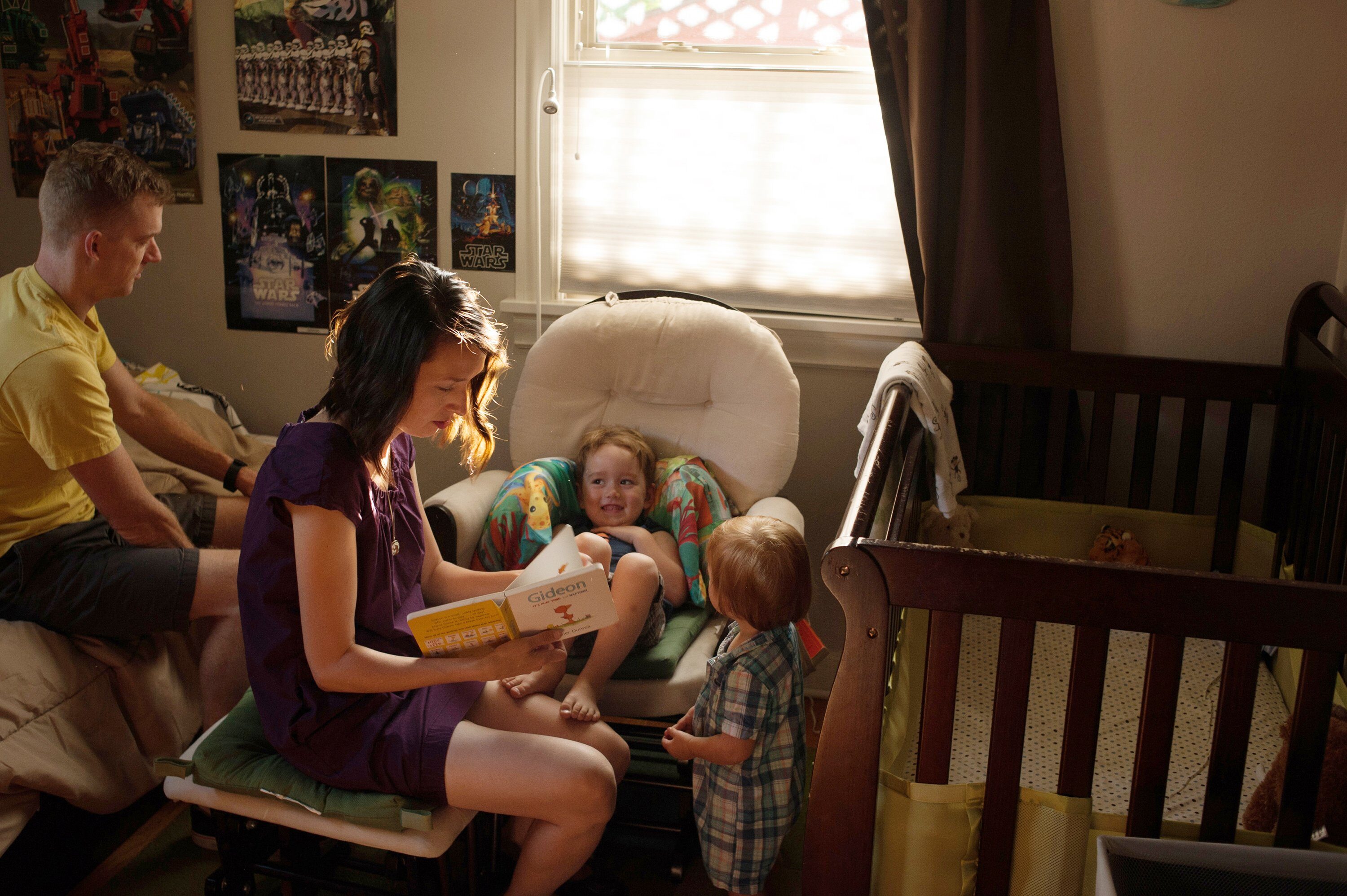
Ms. Deal, a program associate at the nonprofit Western States Arts Federation, is married to a musician, Shawn King; they have two sons under 5. She and her husband support the arts, youth groups, and Northwestern University, her alma mater. They give 3 percent of their income annually, and would like to give more than they do, Ms. Deal says. But “we started our family a little bit later, which is not uncommon for people of my generation. We’ve got day-care costs, health-insurance costs, all of these things. It’s very real for us, and we hear that from our friends, too. We’re all trying to strike that balance.”
Giving circles like LatinasGive!, she says, can provide an outlet for doing good. The group has about 20 members now, but a recent information session for potential new recruits drew more than 30 women. Members donate a suggested $1 a day to a shared donor-advised fund, though the organizers aren’t sticklers when money’s tight for a participant, and some members give more.
Many people in her age group, Ms. Deal says, believe that only the wealthy can truly consider themselves philanthropists — that until you can give millions, “you can’t claim that identity.” But lately, she’s come to a realization: “Being a philanthropist isn’t something that someone in a position of power deems for you.”
One key to educating more Gen Xers about causes and giving, she adds, is making more charity events accessible to a wide range of people. “There shouldn’t be a financial threshold that must be met,” she says. “That’s still prevalent, and that’s a hurdle for organizations to capture the interest of potential donors.”
Getting Acquainted
As Big Data makes it easier to target donors and what they want, some charities are trying to learn more about Generation X, and other cohorts, as individuals.
Mercy Corps, for instance, is working with a research organization to identify “personas” among its donors, hoping to distill information on shared likes, dislikes, and lifestyle choices into the strategies most likely to persuade them to give more and keep giving.
One mystery that might be solved: Gen Xers make up a third of visitors to Mercy Corps’ website yet spend the least amount of time there. “They’re trolling for facts and information,” Ms. Royer hypothesizes. The persona data might help the organization post content that speaks more directly to those looky-loos and gets them to click the donate button.
The charity will use its preliminary persona research to shape year-end fundraising appeals, Ms. Royer says. “I think more sophisticated organizations, and ones that are going to break away from the pack, are ones that are not going to take a one-size-fits-all fundraising approach.”
Mr. Wahlers, the Meridian Health fundraiser, says charities need to get more sophisticated in their appeals to various generations and customize their fundraising. Don’t leapfrog Generation X to woo the millennials, he warns.
“Too many folks will follow the flavor of the month. We shouldn’t be doing that,” he says. “We should be bearing down and saying, ‘This isn’t easy, but get to know your donors.’ If we do that, and share outcomes, and practice good stewardship, we’ll get the big gifts. And that’s an age-old way of fundraising.”
How Giving Compares From Generation to Generation
In terms of the number of gifts, boomers and the Silent Generation are the most likely to contribute the largest donations, though almost one in five Generation X households give at that level.
| Generation | Gifts of $100,000 or more | Gifts of $25,000 to $99,999 | Gifts of $10,000 to $24,999 | Gifts up to $9,999 |
|---|---|---|---|---|
| Greatest Generation | 4.2% | 14.2% | 10.8% | 6.6% |
| Silent Generation | 26.3% | 34.6% | 30.2% | 27.6% |
| Baby Boomers | 39.9% | 34.7% | 38.3% | 41.2% |
| Generation X | 19.1% | 9.2% | 13.7% | 16.9% |
| Millennials | 10.5% | 7.2% | 7.1% | 7.6% |
| Total gifts | 100% | 100% | 100% | 100% |
Note: From analysis of $4 billion in 2015 fundraising from 17 million households, benefitting about 200 charities of all sizes.
Source: Blackbaud
How Giving Compares Within Each Generation
In terms of revenue, Generation X gives the highest percentage of gifts under $10,000 of any age group. The Greatest Generation gives the highest percentage of gifts in all of the other categories.
| Generation | Gift of $100,000 or more | Gifts of $25,000 to $99,999 | Gifts of $10,000 to $24,999 | Gifts up to $9,999 | Total revenue from donations |
|---|---|---|---|---|---|
| Greatest Generation | 32.2% | 8.0% | 4.1% | 55.7% | 100% |
| Silent Generation | 16.9% | 4.3% | 3.5% | 75.3% | 100% |
| Baby Boomers | 11.8% | 3.7% | 3.6% | 80.8% | 100% |
| Generation X | 7.3% | 3.4% | 3.7% | 85.6% | 100% |
| Millennials | 13.1% | 3.4% | 3.2% | 80.4% | 100% |
Note: From analysis of $4 billion in 2015 fundraising from 17 million households benefiting about 200 charities of all sizes.
Source: Blackbaud




