
August 31, 2015 | Read Time: 2 minutes
To get a preview of how the aging of America will affect nonprofits, take a look at what’s happening at the Greater Chicago Food Depository.
At the same time the charity has been hit by an increase in the number of older people who need help, it has also benefited from the new opportunities presented by the changing demographics.
The nonprofit is serving more older clients than ever. Many were in the wrong place at the wrong time during the Great Recession. They lost jobs, savings, and, in some cases, homes, and may not regain their footing in the economy.
“It’s one thing to lose your job when you’re 25,” says Kate Maehr, the charity’s chief executive. “The chances are fairly good that you will be able to recover and find a new job. It is much more challenging when you lose your job when you’re 64.”
Shifting Volunteers
The Greater Chicago Food Depository depends on food pantries and soup kitchens across the city, many of them faith-based, to distribute food to people in need. But many of them struggle to attract younger recruits, so volunteer tasks most often fall to older people. This situation can make it hard for the charity to carry out its work: Some programs have had to cut back the number of hours they’re open or cancel distributions because a volunteer is sick or in the hospital.
The food depository is trying to come up with ways to funnel volunteers out to hard-pressed community groups.
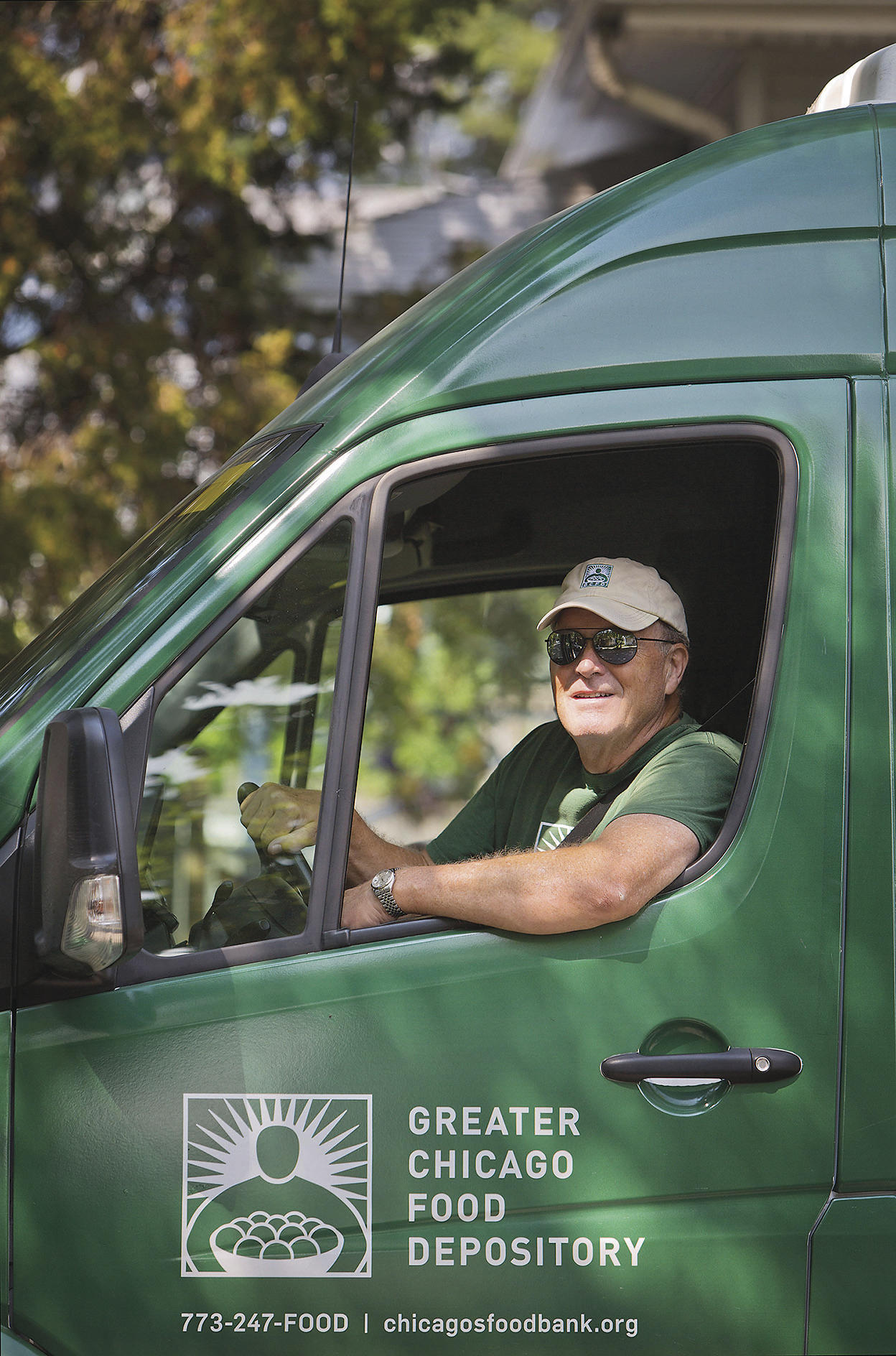
Yet the news isn’t all grim. The charity has also been getting more planned gifts. And as part of its push to distribute more fruits and vegetables, the organization has recruited a devoted corps of newly retired people who serve as volunteer drivers.
Working on the produce effort has given the volunteers a new sense of purpose, says Ms. Maehr.
Many of them have told her, “You know, I retired. I was at home for three weeks, and I was bored crazy. I need to keep busy.’ This has become a passion.”