
New GlobalGiving CEO Plans to Push More Aid to Local Humanitarian Groups

By Julian Wyllie
Contributor
September 18, 2018 | Read Time: 3 minutes
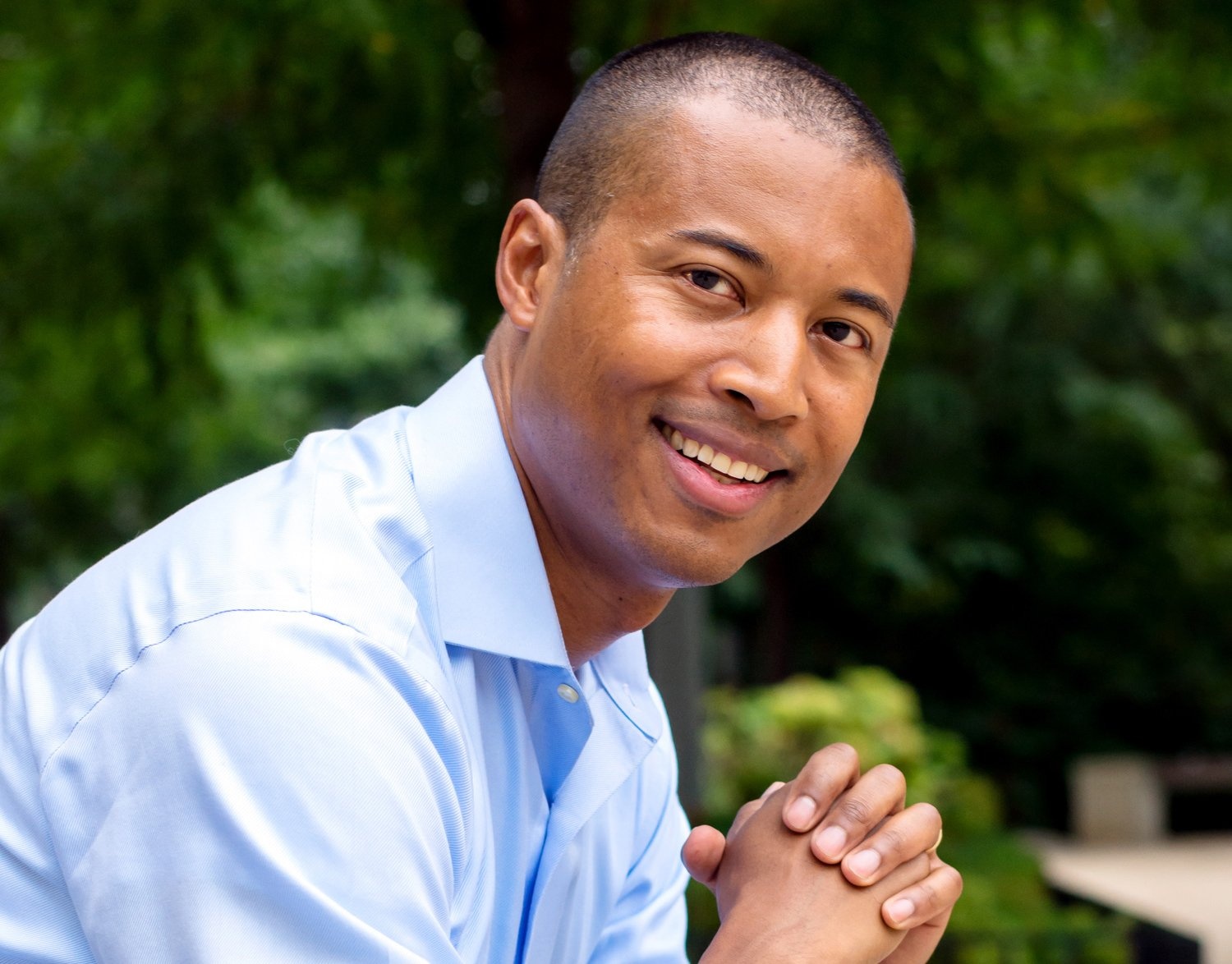
Alix Guerrier, the soon-to-be CEO of GlobalGiving, says he will push the crowdfunding website to direct more money to local groups, not just to household-name charities. “The goal of GlobalGiving is to give a voice, to give visibility, and to have access to community-led solutions,” Guerrier said. “Donors are already receptive to that. When you look at news articles telling people where they should give, people are realizing that we’re the best place to donate if you’re interested in local organizations.”
GlobalGiving has helped crowdfund nearly $350 million for more than 20,000 projects in 170 countries. But only about 0.2 percent of humanitarian aid was channeled directly to local organizations in recent years, according to a United Nations 2016 report. The numbers are particularly abysmal for international charities and small nonprofits disproportionately affected by political conflicts and natural disasters.
For Guerrier, the problem is personal. A first-generation American and child of parents from Haiti and rural Brazil, Guerrier can recall controversies in the news about how Haiti, after various natural disasters, corralled millions in donor dollars, and yet many local groups doing important work received only a small level of support from abroad. Directing more money to those local groups is one of his priorities at GlobalGiving.
“For a lot of people in the Haitian diaspora, no matter what you’re doing, some part of you is thinking back to contributing to the development of the country,” he said.
Co-Founder Leaves
On November 1, Guerrier will take over from Mari Kuraishi, the co-founder and president of GlobalGiving for more than 16 years who announced in March that she was planning to step down. Kuraishi will become the next president of the Jessie Ball duPont Fund in Jacksonville, Fla.
Kuraishi agrees that GlobalGiving needs to encourage more giving to local groups.
“The issue is two-pronged: It’s a technology problem and a people problem,” she said.
“In the context of a disaster, time is of the essence. You’re in this rush because you’re trying to make sure people don’t die or that people don’t go hungry. So people donate to the first name they recall, which probably has the most brand recognition,” Kuraishi said, which means smaller organizations are sometimes overlooked.
Education Background
Guerrier is the co-founder and outgoing president of the education technology company LearnZillion. One of the company’s signature projects under Guerrier was Dream Teachers, which recruited educators to help the company create educational content and curricula.
The company grew from an initial group of 20 teachers to more than 1,000 since its inception in 2011.
Guerrier, in an interview, said LearnZillion has also worked with Nova Escola, a Brazilian nonprofit that provides resources to new schoolteachers, that, in turn, works with Google.org.
“We didn’t start with a super clear sense of what that was going to be,” he said of the Dream Teachers network. But the projects at home and abroad with Nova Escola exceeded expectations.
“When Dream Teachers went back to their districts, some of them received promotions. The teachers were getting better and actively helping others improve.”
Guerrier says his experience working with data will be helpful in the push to drive more donations to local groups through GlobalGiving.
Before LearnZillion, Guerrier was a math and science teacher. He also was a consultant at McKinsey & Company and an analyst with Citigroup, and he directed an after-school program in one of Boston’s public-housing projects. He also worked on a public-housing finance project in New York.




