September 18, 2025 | Read Time: 7 minutes
The killing of Charlie Kirk is only the latest in a rash of violence involving the nonprofit sector that has charities reconsidering their procedures and spending on security for events and leaders.
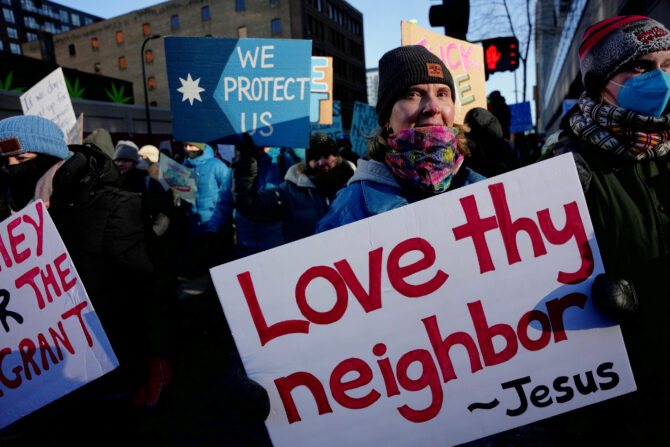
The country’s deep divisions are escalating risks throughout the nonprofit world, forcing a reappraisal among charity leaders who too often believe their good works might immunize their organization from violence. Michael Masters, CEO of the Secure Community Network, which works with Jewish institutions, says for-profit companies — such as health-insurance or natural-gas companies — are quicker to acknowledge and prepare for the possibility that their opponents may respond with violence.
“It’s often hard, I think, for executives or boards, when you’re coming to it from that place of altruism, to realize that there are people in this world who don’t view it the same way,” he says.
Any sense of comfort in the nonprofit world has fallen away. In May, two Israeli embassy staff members were murdered outside an American Jewish Committee event by a man who yelled, “Free free Palestine.” In June, 13 people were injured and an elderly woman died when a man firebombed a group of walkers seeking to bring attention to the Israeli hostages held in Gaza. The walk was part of the broader Bring Them Home Now effort.
Outdoor speeches, long a hallmark of free expression on college campuses, will likely never be the same following the murder of Kirk, co-founder of the nonprofit Turning Point USA. Ben Shapiro, a conservative and often controversial speaker on college campuses, said after the shooting that he would “never again do an outdoor event.”
Spending on security is expected to skyrocket. Solidaire Network, which draws support from 450 individuals and foundations, created a “movement protection fund” in 2020 to help racial-justice organizations respond to physical, legal, and digital threats following the death of George Floyd. The fund has already spent $7 million this year — far more than the $4.5 million it spent in its first four years of existence.
“The political rhetoric of violence and retribution that comes from the White House has impacted us a lot,” says Barni Qaasim, Solidaire’s communications director.
Worries About Personal Security
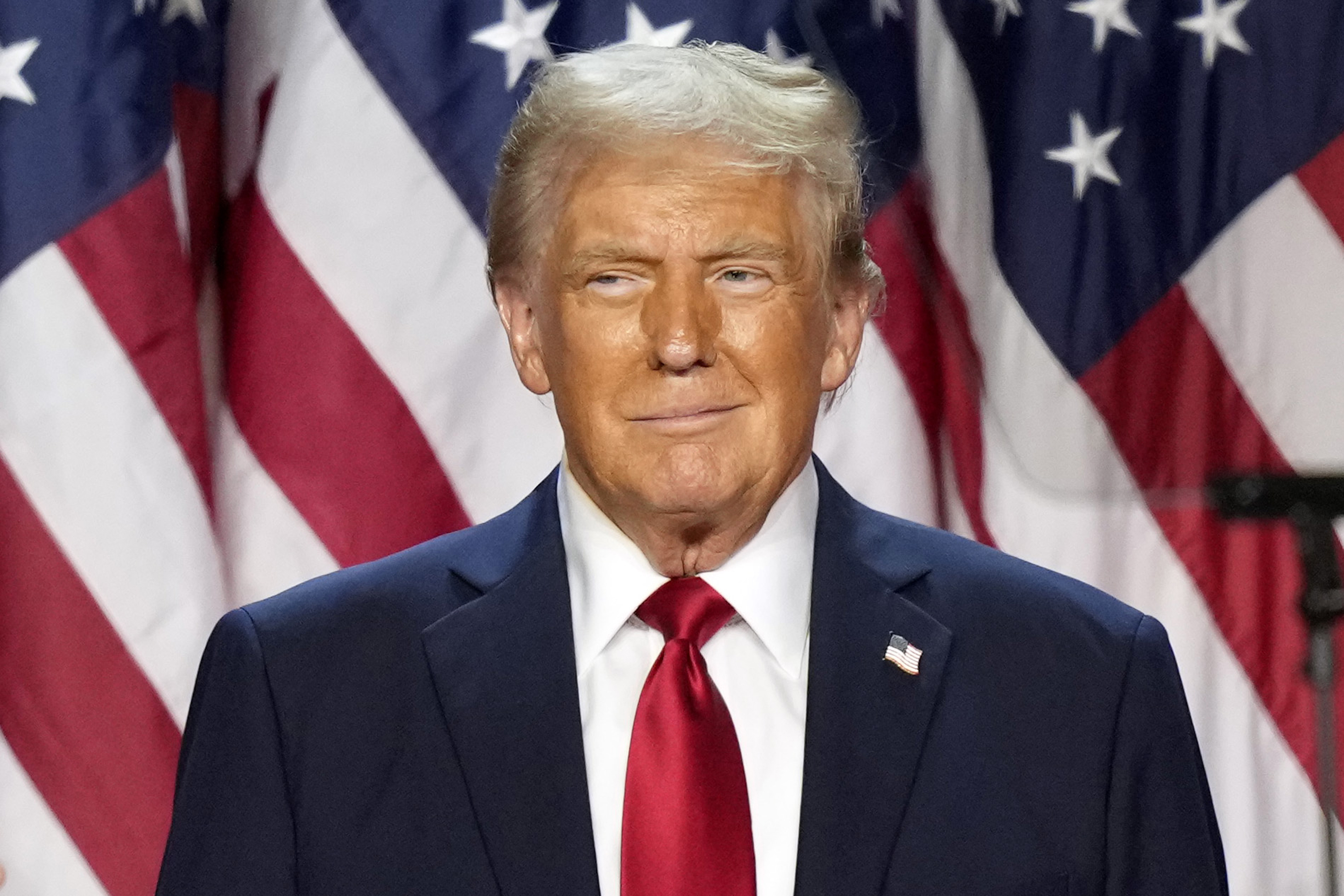
The administration’s response to Kirk’s murder adds to the risks for nonprofits and foundations. Both President Trump and Vice President Vance have vowed to crack down on nonprofits and foundations that they say bear responsibility for the shooting, including the Ford Foundation and Open Society Foundations.
The Ford Foundation has removed the names of its board members and employees from its website. The University of Michigan began providing 24/7 security for its regents this summer, following vandalism of some regents’ homes by anti-Israel protestors.
After an employee at Solidaire was threatened online in a case in which the FBI got involved, the organization added a benefit for all employees: An online privacy firm protects their personal information from data brokers.
Jewish organizations have long dealt with security threats. After 11 people were murdered at a synagogue in Pittsburgh in 2018, the Jewish Federations of North America raised $62 million in the LiveSecure campaign, primarily for security to protect buildings, camps, and spaces.
But Hal Lewis, an executive coach who works with many leaders of Jewish organizations, says many of his clients fear for their personal safety as the war in Gaza continues.
Nonprofit leaders who worked in relative anonymity in the past now increasingly worry about becoming targeted. At the University of Rochester, the executive director of Hillel was among a group of faculty members targeted with Wild West-style “wanted” posters late last year that referenced the war in Gaza.
More on Security

-
Government & Regulation
How Data Subpoenas and Online Harassment Are Silencing Many Nonprofits
Lewis says he would like to see Jewish federations lead a fundraising drive similar to LiveSecure, but this time focused on personal security.
Officials at executive search firms, including Sara Garlick Lundberg of DHR Global, say concerns about security are not currently dissuading applicants from pursuing leadership positions. But some candidates and executives may be reluctant to talk about their fears. Lewis says several executives he works with are wary of discussing personal security with their boards, given the huge investment their organizations have already made in infrastructure security. “They don’t want to appear whiny, timid, or afraid,” Lewis says.
But unless applicants and current executives feel safe, he says, it could eventually become tougher to fill high-profile roles. “If this continues, it’s only a matter of time,” he says.
Public sentiment around political speech and violence is also concerning. A study by the Foundation for Individual Rights and Expression found that a third of students believe there are times when violence is an acceptable strategy for stopping a public speaker, at least in rare cases.
Culture Fit and Cost
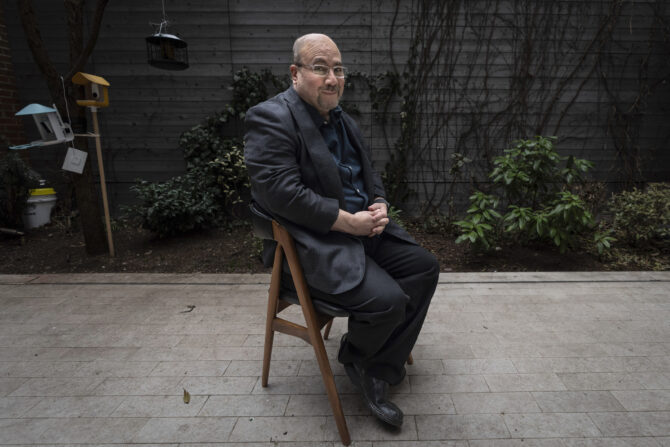
One reason charities may hesitate to bolster security is a culture clash with the former police officers and FBI agents who often staff for-profit security firms. Roy Speckhardt, co-founder of the Nonprofit Security Project, a new nonprofit that focuses on security for charities, says he was motivated to start the organization after a bad experience with a for-profit firm at his former employer, the American Humanist Association.
The AHA, an atheist organization, faced threats following lawsuits it filed regarding separation of church and state. The for-profit firm that came in to help jumped into a discussion about active shooters too quickly, spooking employees, and lacked sensitivity on diversity, equity, and inclusion issues, Speckhardt says.
“It made me think this was a good idea and that we could fill a missing niche,” Speckhardt says. “We speak the language of nonprofits.”
Another reason charities are reluctant to bolster security is the cost. But foundations are beginning to recognize the risks and put more funds into security through efforts like Solidaire’s movement-protection fund. Federal and state programs are also available to charities and houses of worship.
The federal government’s Nonprofit Security Grant Program is slated to spend nearly $275 million this year for measures such as cameras, bulletproof glass, and guards. Nearly two dozen states also have funds, according to Masters. California doubled its spending this year, to $76 million, to help nonprofits and faith-based organizations with security.
Fred Burton, a long-time security expert now at Ontic, a for-profit firm with several large nonprofit clients, says the company helps its clients identify possible threats in dark corners of the internet. “It really is a full-time job to stay ahead of the threat actors.”
The Ford Foundation is a financial supporter of the Chronicle of Philanthropy.