August 11, 2013 | Read Time: 5 minutes
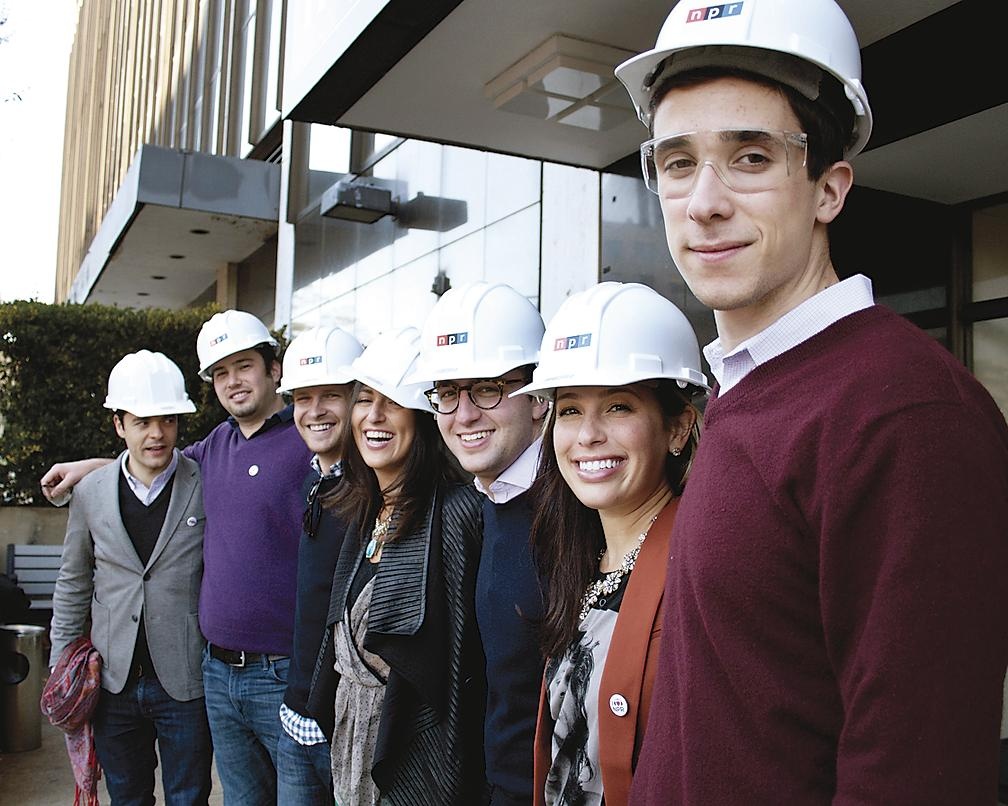
Twenty-somethings gathered at NPR’s West Coast studios last week at the network’s first “listening party,” featuring live music and NPR personalities who are popular with young people, like Guy Raz, host of the “TED Radio Hour.”
The party is one of numerous efforts under way by organizers of Generation Listen, NPR’s new effort to woo people much younger than the organization’s average donor, who is 53.
Danielle Deabler, NPR’s director of audience engagement and new ventures, says the network created Generation Listen because she knew that NPR, like other nonprofits, needed an entirely new approach to reaching young people.
“You can’t market to millennials,” she says. “They get bombarded from all sides every day, and they are too savvy. They see right through it.”
As a result, Generation Listen is designed to feel like a social movement, not a promotional campaign. It wants to attract people in their 20s and early 30s to do more than listen and give but also to contribute their social and intellectual capital.
“I call this ‘sweat equity,’” she says. Many potential young donors, she notes, are still getting established in their careers and may be cash-strapped. But that doesn’t mean they don’t want to be involved, she says.
“They want to sit next to you and give you feedback on your app or open their social network to you to help connect potential supporters or maybe help engage a young philanthropist they know.”
Twitter Lessons
Ms. Deabler started putting the ideas for Generation Listen into place by asking seven young people she considered “thought leaders” for their ideas. As they developed an approach, Ms. Deabler reached out to people who follow NPR on social networks and invited 23 people in their 20s and 30s to join NPR’s Weekend in Washington in 2012. Every November, the private event gathers NPR journalists and executives to meet big donors and trustees, a group that Ms. Deabler says skews even older than NPR’s listenership, whose average age for on-air broadcasts is 49.
The cross-generational meeting was a big hit, she says, with the young people tutoring the older ones on topics like Twitter and crowdsourcing. (“Weekend in Washington had never even been tweeted before,” notes Ms. Deabler.)
The people in their 20s were thrilled to be acknowledged and have their ideas heard by the powers that be, she says.
Afterward NPR donors and executives alike said, “What are you going to do with these marvelous young people now? You must keep engaging them!”
In March, just five months later, Generation Listen made its formal debut at South by Southwest Interactive, an annual conference focused on digital innovation.
Ideas for Content
Ms. Deabler, who declines to give her age except to say she is a member of Generation X, describes Generation Listen as “an entirely new model of public engagement.”
Beyond attracting a younger audience—some of whom might eventually become donors—she hopes Generation Listen will help the network get ideas about content and innovations to ensure NPR remains relevant with “digital natives.” She also believes that a key to success will stem from providing both virtual and real-life opportunities for young supporters to engage with one another.
Nonetheless, NPR does not expect an immediate financial boost from its growing Generation Listen membership, says Ms. Deabler, adding that she lacks “concrete membership numbers” or a formal budget for running the program. For now, it is just focusing on getting more young people to “join the tribe,” as the project’s tagline urges.
“This is the long play,” she says. “We have never before done anything this intentional, but the way you build long-term support from this group is by establishing the brand and then building out the community.”
The strategy appears to be working to attract people like Anneke Jong, 29, a tech entrepreneur in New York who grew up listening to NPR with her family and says she now feels involved with the organization thanks to Generation Listen.
“We are a generation hungry for meaningful content,” says Ms. Jong. “When we find it, we are voracious consumers of that content and also very loyal to its source.” As evidence, she points to a trend of ad hoc “listening parties” among her peers, gathering friends “on Friday evenings to drink wine and listen to ‘Planet Money.’”
Though most people in their 20s have not reached their peak earning years, she says, she thinks this loyalty will pay off later, when they do have money to give. Her peers also appreciate the soft sell from fundraisers.
“We love what NPR does, and then the ‘give if you want, give if you can’ approach makes us feel we’re not being forced,” she says. “So we give proudly, not grudgingly, and even if you can only afford a small amount, you still feel like you just did your patriotic duty.”
She adds, “Come fund-drive time, you totally want to tweet that you just gave to your local member station. I can’t image anyone tweeting that they’d just bought a subscription to The Wall Street Journal.”
Not Radio Owners
While Generation Listen hopes to build more opportunities for people like Ms. Jong to get involved, the network still faces challenges attracting young people. Research shows that people in their 20s resist paying for content—and most of them don’t own radios.
Still, she believes the effort will pay off. “This is a generation that gets extremely attached to its causes. If you engage them authentically and in person, they will stick around and do things for you.”
President Obama’s success raising donations from the young is a sign that they will give money, she says.
As for how they’ll actually tune in, Ms. Deabler quotes Gary Knell, the chief executive of NPR, who often tells people, “The iPhone is the new transistor radio.”