
Our Funding Was Frozen by the Trump Administration. Here’s How We’re Fighting Back.
We learned that staying silent amid baseless lies and attacks only makes matters worse.

By Beth Bafford
Contributor
June 5, 2025 | Read Time: 6 minutes
In the days leading up to Earth Day this spring, environmental groups across the country were convinced that President Trump would sign an executive order on April 22 threatening their tax-exempt status. They swiftly assembled legal teams, developed public responses, and called on philanthropy to prepare for a potential massive blow to their ability to operate. For the first time this year, climate leaders were ready to turn fear into a coordinated, decisive response.
The anticipated executive order never happened, but most of the field continues to wait for the next shoe to drop as grants are canceled, legislative proposals are written, and regulations are slashed. But what if instead of waiting in anxious silence, nonprofit leaders took a proactive public stance in defense of their work?
Fear is a powerful force, especially during times of uncertainty. Speaking up can feel scary. But it doesn’t have to.
A few short months ago, I would have met that claim with skepticism. What about the risks of retaliation? What if there’s a bad outcome? What if our reputation is damaged? I’m now convinced that many of those concerns are misplaced.
I speak from experience.
On February 12, the Trump administration promised to claw back funds from recipients of a $20 billion Environmental Protection Agency grant program — money that was legally obligated and disbursed last summer. The nonprofit investment firm I lead, Climate United Fund, was one of those grantees, competitively selected under the National Clean Investment Fund to increase access to affordable financing for clean-energy projects in communities across America.
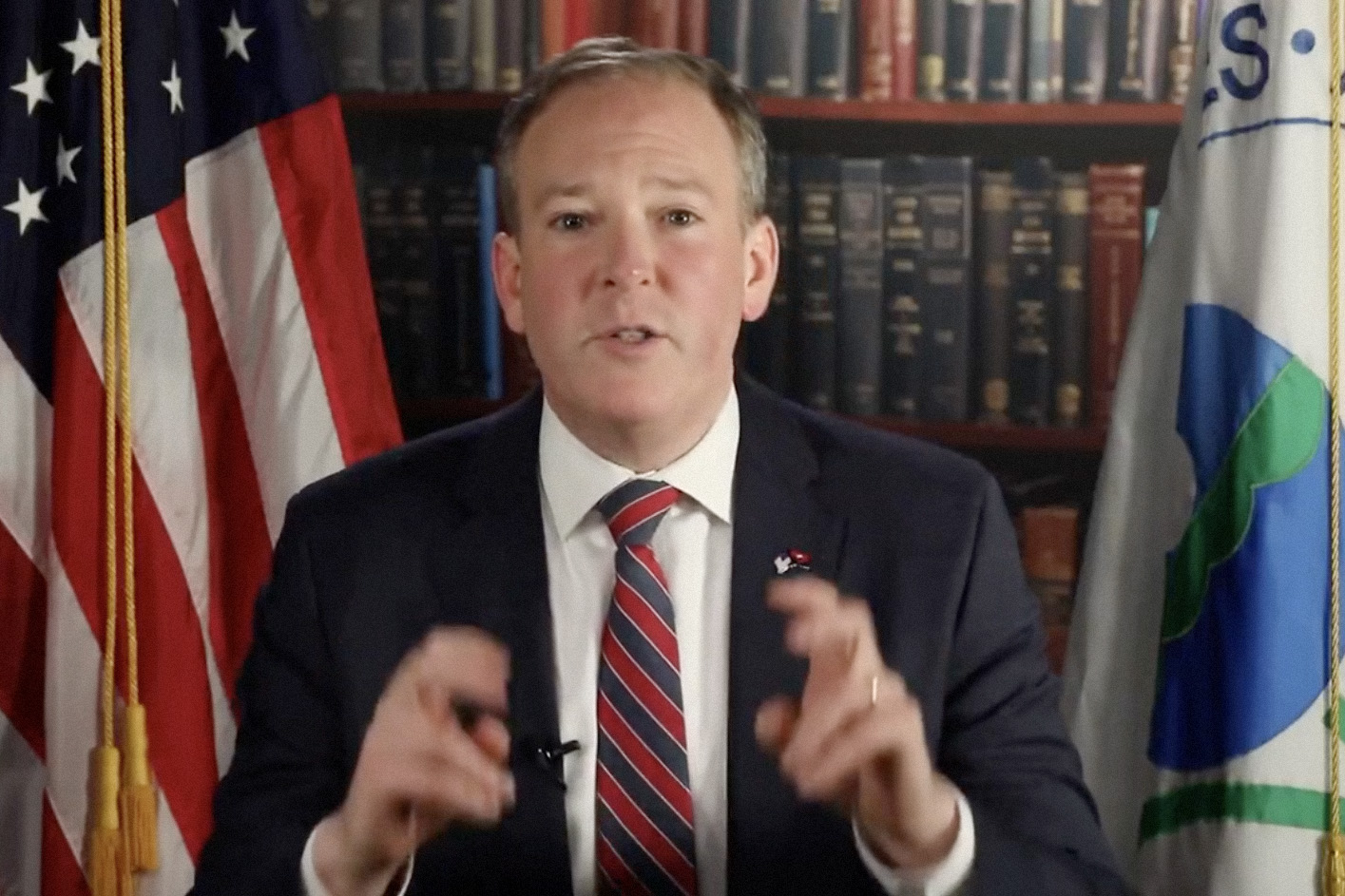
We learned about the administration’s plan to freeze our funding through a video on X in which EPA Administrator Lee Zeldin falsely claimed the program was riddled with waste, fraud, and abuse. Numerous federal investigations have turned up no evidence to support those claims, and the EPA’s own lawyers have admitted in court that we did nothing wrong.
Overnight, Climate United went from financing clean-energy projects to becoming a main character in a national story based on misinformation. Our initial response to this shocking and surreal situation was to stay silent, lay low, and hope the conversation fizzled out. We reached out almost daily to the EPA and Citibank, which held the grant funds, to schedule a conversation and clear things up. But we never got a response, let alone an explanation for why our funds were frozen. At one point, EPA scheduled a meeting, then rescheduled it, and then canceled it altogether. For weeks, we were left in the dark.
Responding to Lies
Despite our efforts to avoid attention, the baseless attacks persisted. Lies and smears circulated across the internet about us and the EPA program we were hired to administer. We received thousands of threatening emails, phone calls, and mentions on social media. Egged on by the EPA, right-wing media spread blatant misinformation. The FBI and Department of Justice launched investigations, which led a veteran federal prosecutor, citing a lack of evidence in the case, to resign in protest.
Keeping quiet was clearly no longer an option. On March 8, after three weeks of silence, we sued the EPA and Citibank for unlawfully freezing our funds. Our decision to shift strategies wasn’t the result of reduced risk or diminished attacks, but a suspicion that staying quiet was only making matters worse. Our hunch proved correct.
Negative media stories about us decreased by 50 percent, and news coverage generally became more positive and balanced as we started going on the record with reporters and providing statements. Our increased media presence was also instrumental in helping us raise critical philanthropic dollars to cover operational expenses and minimize staff reductions while our bank accounts remain frozen.
Reclaiming our own story had another important effect: It increased trust in our brand. As an organization that received federal grant dollars, we doubled down on our commitment to transparency. We interacted with supporters and skeptics alike on social media and posted documents and reports on our website detailing our work to date. Those who engaged with us expressed gratitude for our efforts, even if they disagreed with the grant program itself.
Perhaps most important, our decision to say something empowered others to do the same. By choosing to speak up, we created a safer space for our peers, our partners, and the communities we serve to share their unique perspectives. We have since been joined by nine additional plaintiffs in our lawsuit, many of whom are telling their own stories. We don’t know if we’ll ultimately succeed in regaining access to our unlawfully frozen federal funds, but we do know our odds are better now that others are fighting with us.
Facing Fear
Changes in presidential administrations have always invoked varying degrees of fear and uncertainty across sectors and political ideologies. Historically, nonprofits such as Climate United, which is nonpartisan, have played a critical role in filling gaps where the government and markets fall short, and keeping the focus on serving communities in need.
But since Trump took office, reticence has become a common response, even for organizations that are typically outspoken. An alarming number of mission-driven groups have taken a wait-and-see approach, choosing to stay quiet and hope for the best rather than risk speaking up.
This strategy can be effective for self-preservation in the immediate term but ultimately has chilling implications for public discourse and democracy itself.
What’s the alternative? Lead the way by speaking openly and honestly about your work and invite others to join you. Courage is contagious. Every leader has tough choices to make about what risks an organization can take, but collective action mitigates risk and creates space for stories that need to be told. Test different strategies, gauge the results, and discover the benefits of speaking up, as we did.
Follow the lead of universities and law firms that have stood up in opposition to attacks by the Trump administration — and who have seen courts rule in their favor.
Join the nearly 700 philanthropic organizations that have signed on to a collective effort to build power, defend the Constitution, and lessen the risk of individual potential threats.
Leverage industry groups like the National Council of Nonprofits to make your voice heard on key executive and legislative actions that could harm your work and your community.
Philanthropy can help federal grantees defend their work and values without fear of political retaliation. When nonprofit leaders are weighing the risk of speaking out and potentially losing federal funding, foundations and individual donors can join them in solidarity — not by trying to replace federal funds, but by helping them fight back and pivot to new funding models, including raising more money from other foundations and donors.
As the political environment becomes even more unpredictable and hostile toward nonprofits, the nation needs more action, not less. Our communities and our planet cannot afford to wait for this storm to pass. We all need to buckle up, stand strong, and speak out.





