Personal Experience Motivates Giving to Women’s Causes, Study Finds

By Megan O’Neil
Contributor
May 24, 2016 | Read Time: 4 minutes
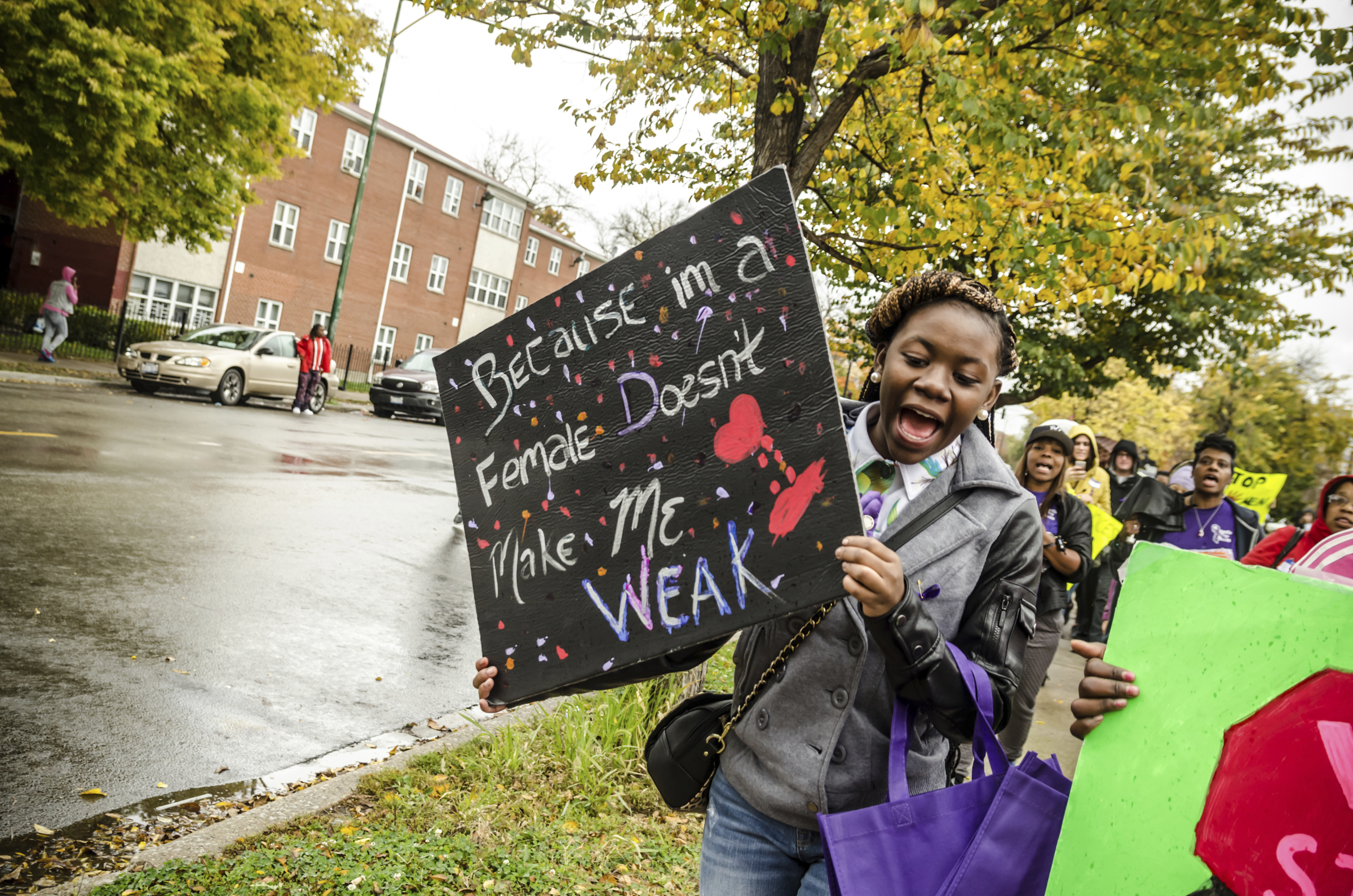
A little less than 15 percent of donors give to an area that specifically impacts women and girls, according to new research, while 30 percent give to organizations that have a partial focus on women and girls. More than half reported that they do not aim their giving at that part of the population at all.
Published Tuesday by the Women’s Philanthropy Institute at the Indiana University Lilly Family School of Philanthropy, the research found that those who do give to women’s and girls’ causes are often motivated by personal experience, such as with gender discrimination. Many also “have a strong belief that women’s equality leads to progress in society as a whole,” said Debra Mesch, the institute’s director.
The new report is based on a national survey, and focus groups conducted in three cities with people who have given to United Way and to local women’s funds. It is the third of three research papers on gender and charitable giving produced by the institute with the help of a one-year, $375,000 grant from the Bill & Melinda Gates Foundation.
According to the findings, women donors are slightly more likely than their male counterparts to give to benefit women and girls — 50 percent of women and 40 percent of men said they donated to those causes. Those who gave to women’s funds did so because they viewed such organizations as particularly trustworthy.
Donors with a gender focus often have the attitude that elevating women “is really going to change communities, change families, and change society,” Ms. Mesch said.
The research also revealed several specific reasons why donors don’t do more giving to help women and girls. One of the biggest, Ms. Mesch said, is a lack of knowledge about what qualifies as women’s and girls’ causes. Donors also told researchers that when it came to challenges unique to women and girls, they didn’t know how or where to start.
“Participants noted that women’s issues are really complex and that solutions to those issues are really hard to implement,” Ms. Mesch said. Others said that leaving men and boys out of their charitable giving would mean failing to address social problems in a rounded, comprehensive manner. And some cited the political sensitivity of some female-focused topics.
“Many participants mentioned that a lot of political issues are embedded in many of the women’s and girls’ causes.” Ms. Mesch said. “They were reluctant to get into advocacy or some of the more controversial issues such as reproductive rights.”
When it comes to foundation grants, researchers estimate that 5 to 7 percent go to assist women and girls. In March, the NoVo Foundation said it would spend $90 million over seven years to fight inequity faced by girls and women of color.
The study published Tuesday is the latest aiming to address what Ms. Mesch termed a dearth of research on gender and giving. In most philanthropic surveys, donors are asked about their giving based on broad categories such as human services, religion, or the arts.
The Women’s Philanthropy Institute’s first two papers, published last year, analyzed how couples’ giving changes when the woman’s income rises versus the man’s, among other things. Under the grant, Ms. Mesch and her colleagues also conducted a review of existing research on why and how gender matters in philanthropy.
In December, the Gates Foundation awarded the institute a new three-year, $2.1 million grant. Ms. Mesch and her colleagues are still planning the forthcoming work, but it will likely include field experiments on what kinds of messaging and campaigns spur donors to give more to women and girls’ causes. The goal is to get actionable information to charity leaders and other practitioners who are trying to unlock charitable dollars for women and girls.
“The Gates Foundation, and a lot of organizations like these women’s funds, they really do have a passion for women and girls,” Ms. Mesch said. “We want to support them with our research evidence.”
Note: A previous version of this article said that 50 percent of women and 40 percent of men gave to gender-specific causes. They gave to causes for women and girls. The survey didn’t ask about men and boys.