Small-Group Fundraisers Explain Why They Moved to a Big Charity

By Drew Lindsay
Senior Editor, Special Projects
July 6, 2016 | Read Time: 4 minutes
Leaving a cozy, family-style operation wasn’t easy for these two development professionals, but their new jobs offered support and resources they could only dream of before.
From DIY to a Staff of 43

During Dawn Carter’s nearly four years at Cape Fear Academy, a private school in Wilmington, N.C., virtually every contribution was a moment of triumph quickly followed by drudgery. As the de facto one-person development office, Ms. Carter (pictured, center) picked up the mail each day, photocopied the checks, recorded contributions in the donor database, took the checks to the business office, then wrote acknowledgment letters.
Now, just a few months into her tenure as a fundraiser at the University of North Carolina at Wilmington, Ms. Carter has help and resources at every turn. Before she arrived, she got a call asking her to come in and pick office furniture. Did she want an iPad? A dual-screen monitor? She shares an administrative assistant with other fundraisers but is still figuring out how to use her. “I was getting ready to have a seminar, and I was thinking, ‘Guess I need to make name tags,’ ” she says. “Then I realized, ‘Oh, I can ask Marina to help with that.’ ”
Ms. Carter has come a long way from her first fundraising venture, a do-it-yourself enterprise in which she led a group of friends that raised $130,000 for a new neighborhood playground. At each stop in her nine-year professional career — including work at a homeless shelter and another private school — she’s gone it largely alone. At UNC-Wilmington, she’s part of a 43-person development office. “It’s refreshing having so many people who are like-minded and always thinking with a development mind-set.”
Tapping her private-school roots, she leads the college’s fundraising efforts among parents and families, though it’s a far different experience. Unlike at Cape Fear, parents don’t show up at campus every day for sports, music productions, and other events. “I really, really have to be strategic about getting in front of them,” she says.
For the first time in her career, Ms. Carter’s daily routines are shaped by metrics that outline how many prospects she must meet with each month — standard procedure for big organizations. “That energizes me,” she says. “It’s freeing to know that you have to get out of here. You can’t get stuck behind your desk because they expect you to get out.”
‘It’s All Built-in Here’
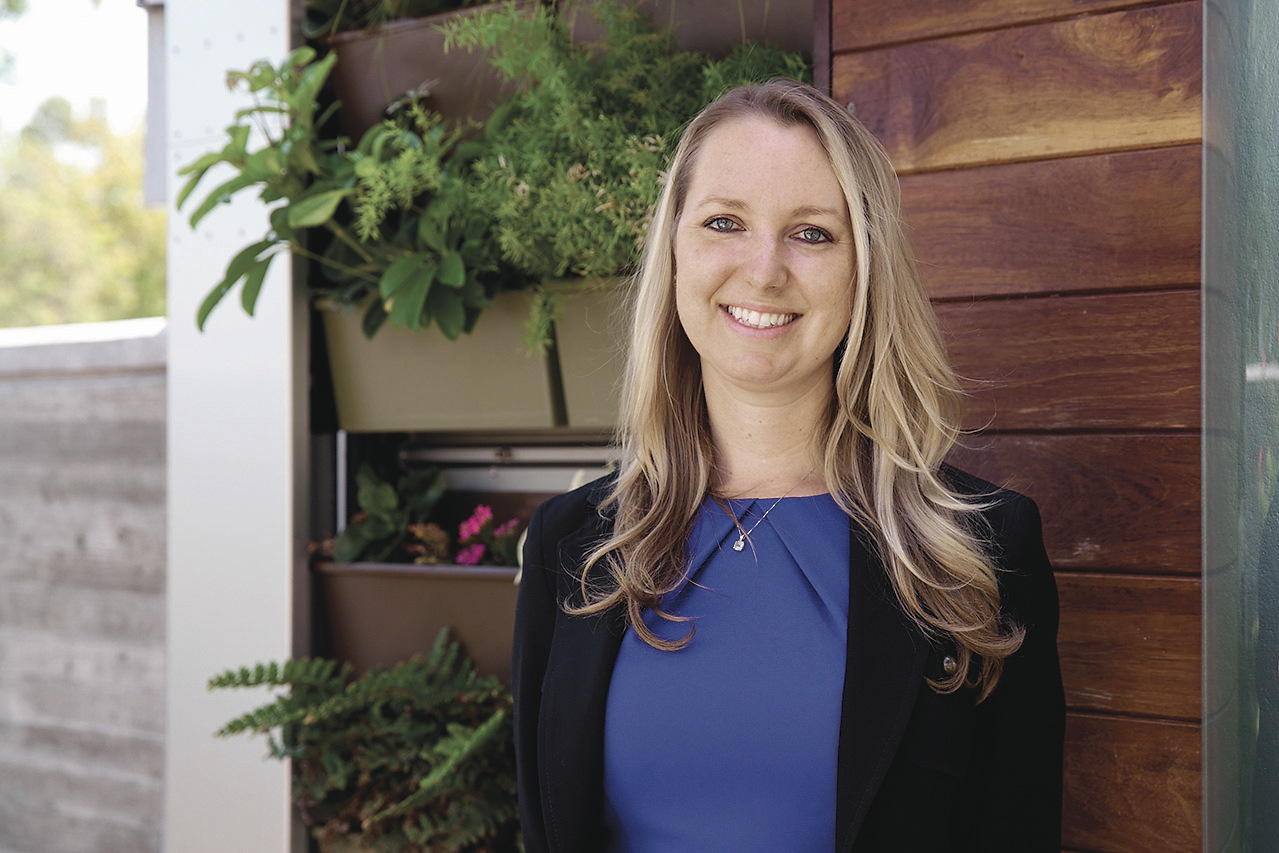
In her first fundraising job, Nora Boswell worried over a fashion-show luncheon and its 750 guests. As the No. 2 in a two-person development office for St. Madeleine Sophie’s Center outside San Diego, she helped manage Haute With Heart, an annual fundraiser featuring, among other things, professional runway models, a live auction, and prominent community leaders.
Ms. Boswell also handled annual giving, grant writing, and much more. But none of it appealed as much as the dollop of work she did with individual donors. “Being in a small shop taught me what I didn’t want to do very quickly,” she says. “And it also taught me what I loved to do.”
Today, at 31, she’s leading a $12.5 million campaign for the 17,000-employee Sharp HealthCare system of hospitals in San Diego. She landed at Sharp in 2011 and was promoted last year to chief development officer of its Coronado Hospital Foundation.
Thanks to Sharp’s structure and resources, Ms. Boswell is free to focus almost exclusively on what she enjoys most: face-to-face work with donors. The umbrella Sharp HealthCare Foundation handles her organization’s financials and provides planned-giving help and other resources that she only dreamed about in previous jobs. “It’s all built-in here,” she says.
Ms. Boswell says her start in a small organization was ideal training. The range of her duties with St. Madeleine, which serves adults with developmental disabilities, prepared her for executive leadership. “All of the roles here at the foundation — I’ve done them all,” she says.
The work also taught her to zero in on passionate donors who will prove most loyal over time. “One of things I learned early on was to trust my gut about who cared about the organization and who just liked their name in lights.”