October 8, 2024 | Read Time: 2 minutes
Eighteen years ago in Mexico City, 30 women from 26 countries came together to start an organization committed to supporting women who run grassroots environmental groups around the world. Melinda Kramer and Amira Diamond were there at the founding of the Women’s Earth Alliance, and they’re still with the organization today — serving as co-CEOs along with Kahea Pacheco, who joined the alliance in 2011.
Since its founding, the alliance has worked with 250 partner organizations, primarily in Africa, Asia, and Central and South America. The charity identifies women who are already leaders in their communities and share WEA’s vision of finding solutions to the climate crisis. Then the alliance provides those leaders with training, funding, and support networks.
“One of the things we love to say is that there’s no off-ramp for leaders who come into Women’s Earth Alliance,” Diamond says. “Once they go through one training program, there are ongoing opportunities for engagement, and oftentimes we end up partnering much more deeply with leaders who have gone through our initial training.”
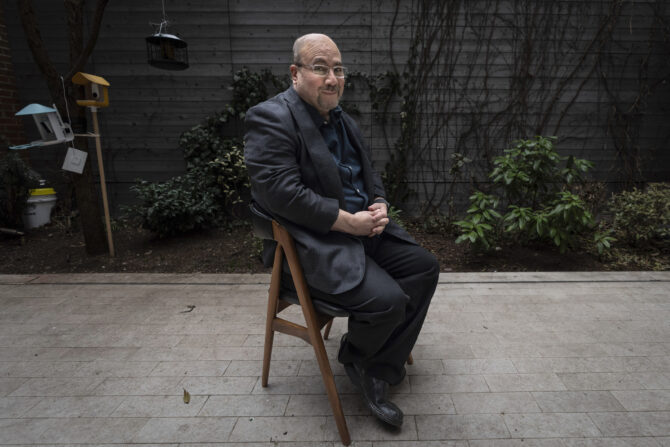
In September, the Heinz Family Foundation announced that Diamond and Kramer had won the Heinz Award for the Environment, an annual prize that comes with an unrestricted $250,000 award. (The co-organizers of iNaturalist, a citizen-science project, also received the prize this year.)
For Diamond and Kramer, there’s little time to celebrate. They’re already launching a fundraising campaign to celebrate the group’s 20th anniversary in 2026, with a goal of empowering 15,000 female leaders to help end the climate crisis.
According to the Indiana University Lilly Family School of Philanthropy, just 2 percent of giving goes to women and girls — and only a small fraction of that goes to women’s environmental work.
“The resource gap for women who are protecting their communities and doing environmental work is tremendous,” Kramer says.
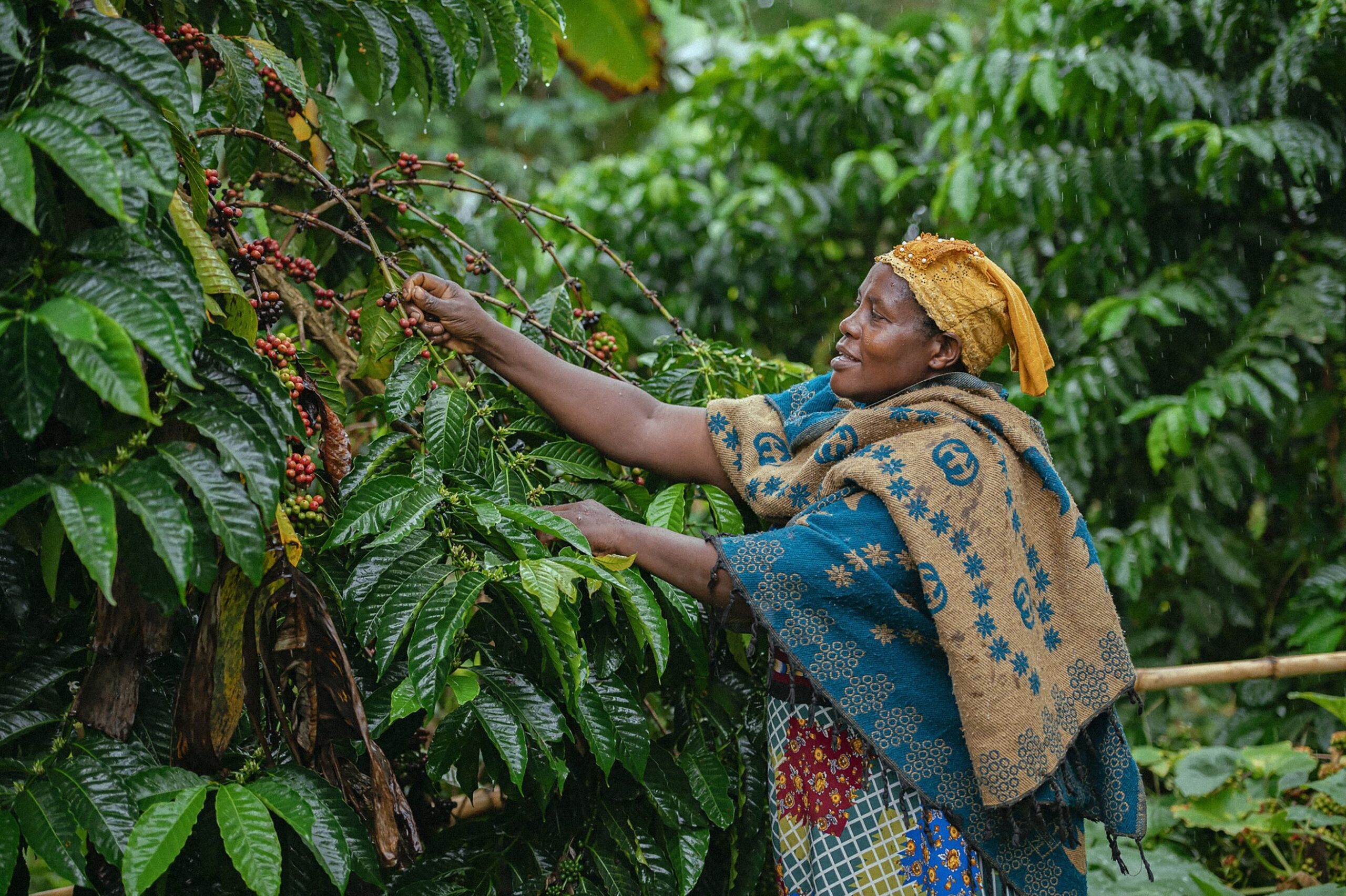
Here, a member of Bukoba Women’s Empowerment Association in Tanzania, a WEA partner, participates in a community-led forest conservation and tree-planting program.