U. of Oregon Taps Its Scholars to Be Fundraisers

By Drew Lindsay
Senior Editor, Special Projects
October 27, 2016 | Read Time: 4 minutes

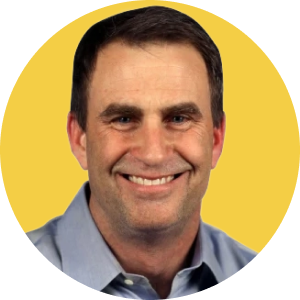
Christoph Lindner made a name for himself in the Netherlands as a scholar and cultural theorist. When he joined the University of Oregon this summer as dean of its School of Architecture and Allied Arts, he donned the hat of fundraiser as well.
Under orders from university President Michael Schill, Mr. Lindner and his fellow academic deans spend at least 50 percent of their time raising money. Like any frontline gift officer, they court and cultivate a list of top prospects, and their work is tracked through metrics, including dollars raised and the number of contacts with donors.
This introduction to American philanthropy has been, in Mr. Lindner’s words, “an eye-opener.” Yet he’s not the only academic getting a crash course in fundraising. Public universities nationwide are upgrading their development operations — and folding faculty and deans into the mix — as they turn to philanthropy to fill voids created by declines in state funding.
“We get only about 6 to 7 percent of our operating budget from the state appropriations process,” says Paul Elstone, senior associate vice president for development at Oregon. “The president has made it clear: Philanthropy is critical to our future.”

The university, which is in the midst of a $2 billion campaign, brought in $145 million last year, more than double what it raised in 2014. The features of its campaign are familiar: big gifts (Phil and Penny Knight pledged $500 million); a beefed-up development office (now with 45 staff, up from 25); and a new crowdfunding platform. But a key to the effort’s final years will be the deans, who are getting schooled in the art of rainmaking.
The university this year hired Chelsey Megli, formerly a consultant on managing fundraising talent. Though her focus is development-office staff, she’s also running workshops with Oregon’s 10 academic deans. Each is assembling binders stuffed with research on donor behavior, the psychology of giving, and the philanthropy of high-net-worth individuals. In one session, the deans analyzed the giving of donors whose lifetime contributions to the university topped $1 million.
Fundraising Lessons
The workshops aim to help the deans build their own fundraising approach, not drill them on a set of practices, Ms. Megli says. “These are highly intellectual, intelligent individuals. I try to have a lot of data, because you’re dealing with academics who want to know we’re doing evidence-based work.”
Ms. Megli, who has trained deans and faculty at other institutions, says scholars don’t always embrace lessons in fundraising. “I’ve certainly been in the room with slightly combative deans who believe they know development very well,” she says.
So far, the Oregon training appears to be going well. Mr. Lindner says he has soaked up the information. Coming from the Netherlands, where universities rely almost entirely on government money, he relishes the notion that fundraising could help him realize his vision for his school.
“There’s something liberating about it,” he says. “If you have a really provocative dream, if you have a project that has quality and content and traction and the potential for impact, you can make new things happen.”
Though it may be odd for an academic to find performance measured through a few numbers, Mr. Lindner believes the fundraising metrics are intended to help him learn and improve.
“You can imagine other scenarios where the metrics have more sinister ends,” he says with a laugh. “ ‘Whoever has the best metric gets a set of steak knives at the end of the month.’ But that’s not the approach we’re taking so far.”