
Will Criticism of Big Gifts Scare Off Tech Donors?

By NICOLE WALLACE
Features Editor
June 1, 2015 | Read Time: 2 minutes
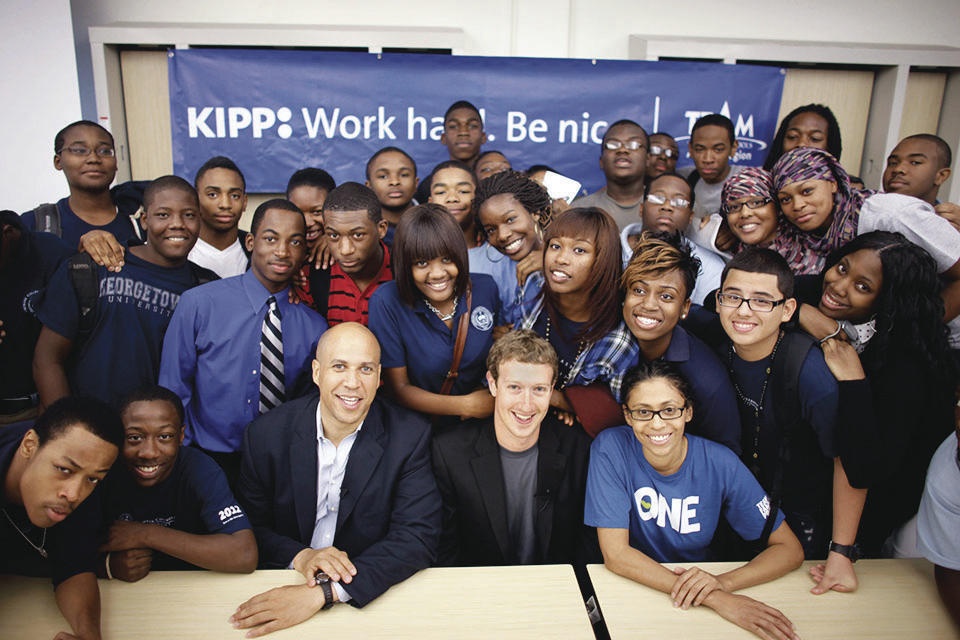
Mark Zuckerberg electrified the country when he went on the “Oprah Winfrey Show” to announce a $100-million gift at the tender age of 26. But since that event nearly five years ago, the attention has turned more critical. Reporters raised tough questions about how the money, intended to improve Newark, N.J.’s troubled public schools, was being spent — and whether it had done much good at all.
Other donors with tech wealth have also sweated in the spotlight, as their giving to a variety of causes — overhauling education, battling climate change, extending human life — draws scrutiny from media and the public.
Some charity leaders worry that the harsh treatment of this new breed of donors could make other budding tech billionaires hesitant to jump into philanthropy.
Tamping Down Ambition
Instead of being celebrated, people who make a commitment to philanthropy face a barrage of questions about what they’re going to support, how quickly they’ll spend the money, and what their real motivations are, says Emmett Carson, chief executive of the Silicon Valley Community Foundation.
“Suddenly,” he says, “someone who got into this to do good is asking the question: ‘Why did I make this decision again?’”
The community fund that Mr. Carson leads has benefited greatly from the increase in the number of tech entrepreneurs entering philanthropy. Its assets grew from $1.7 billion at the end of 2009 to $6.5 billion just five years later.
But lately, he says, he’s been in meetings where potential donors have said they don’t want to subject their families to the scrutiny that comes with making a big gift.
Entrepreneurs across the country are watching how new philanthropists are treated, says Mr. Carson: “If we make it an unpleasant experience and that’s what they see, they’ll say, ‘I don’t need that.’ ”
Jeff Bradach, chief executive of the Bridgespan Group, a nonprofit that provides management consulting to other charities, thinks donors will still give, but he worries they may tamp down their ambitions to avoid scrutiny.
“You really have to steel yourself to the criticism,” says Mr. Bradach. “What I hope doesn’t happen is that they lean away from those things that are complicated, big, and hard.”
Other observers think tech entrepreneurs won’t scare so easily.
The potential for criticism might make fledgling donors more private, but they aren’t going to let it stand in their way, says Mario Morino, a venture philanthropist and former software entrepreneur: “At this early stage, you’re so confident in yourself that you don’t really pay that much attention to other people.”





