


$5 Billion Conservation Effort Promises a New Approach but Faces Hurdles
The effort will involve Indigenous people, who have a track record of managing healthy ecosystems with vast biodiversity. But doing so on such a vast scale might require a willingness to take more risk.

By Jim Rendon
Executive Editor
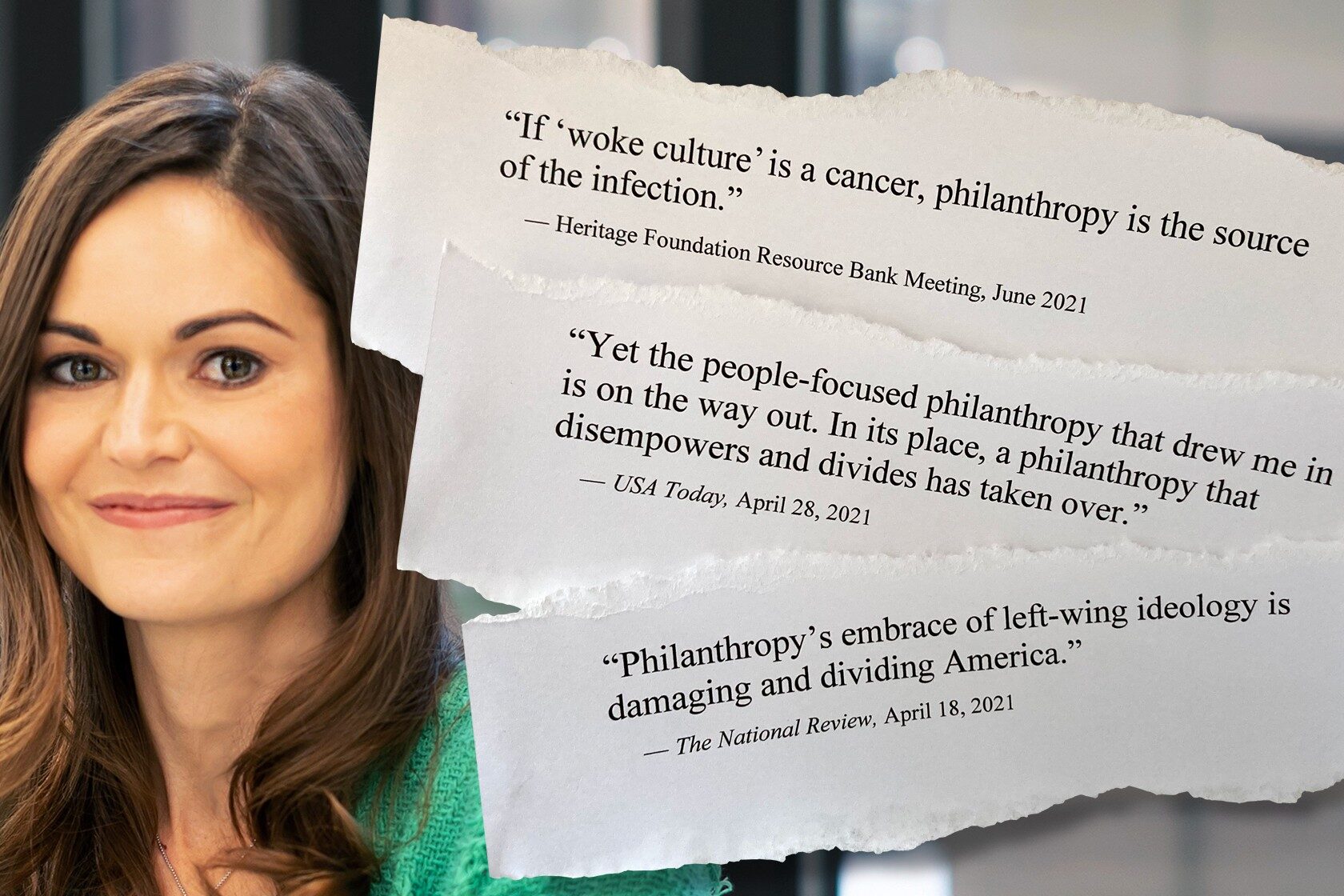
Elise Westhoff has been on a media blitz in recent months, spreading the gospel of conservative philanthropy and attacking what she says is a wrongheaded rush to fund racial-justice efforts.
By Jim Rendon
Executive Editor
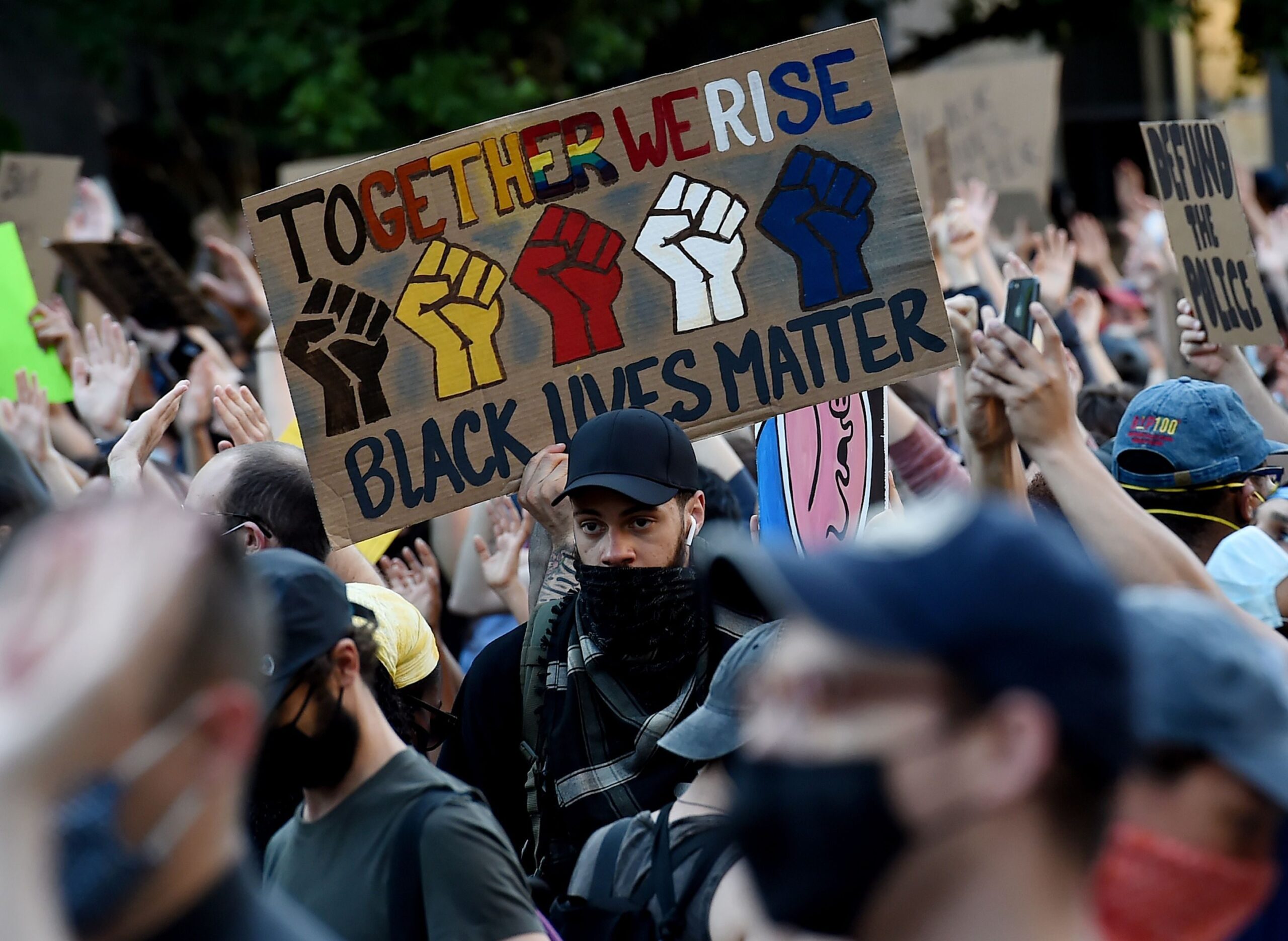
Foundations and Wealthy Donors Urged to Advance Racial Justice by Giving to Grant-Making Charities
These funds have close relationships with grassroots groups, can get the money to them quickly, and sometimes give over a longer time horizon than large foundations do.
By Jim Rendon
Executive Editor
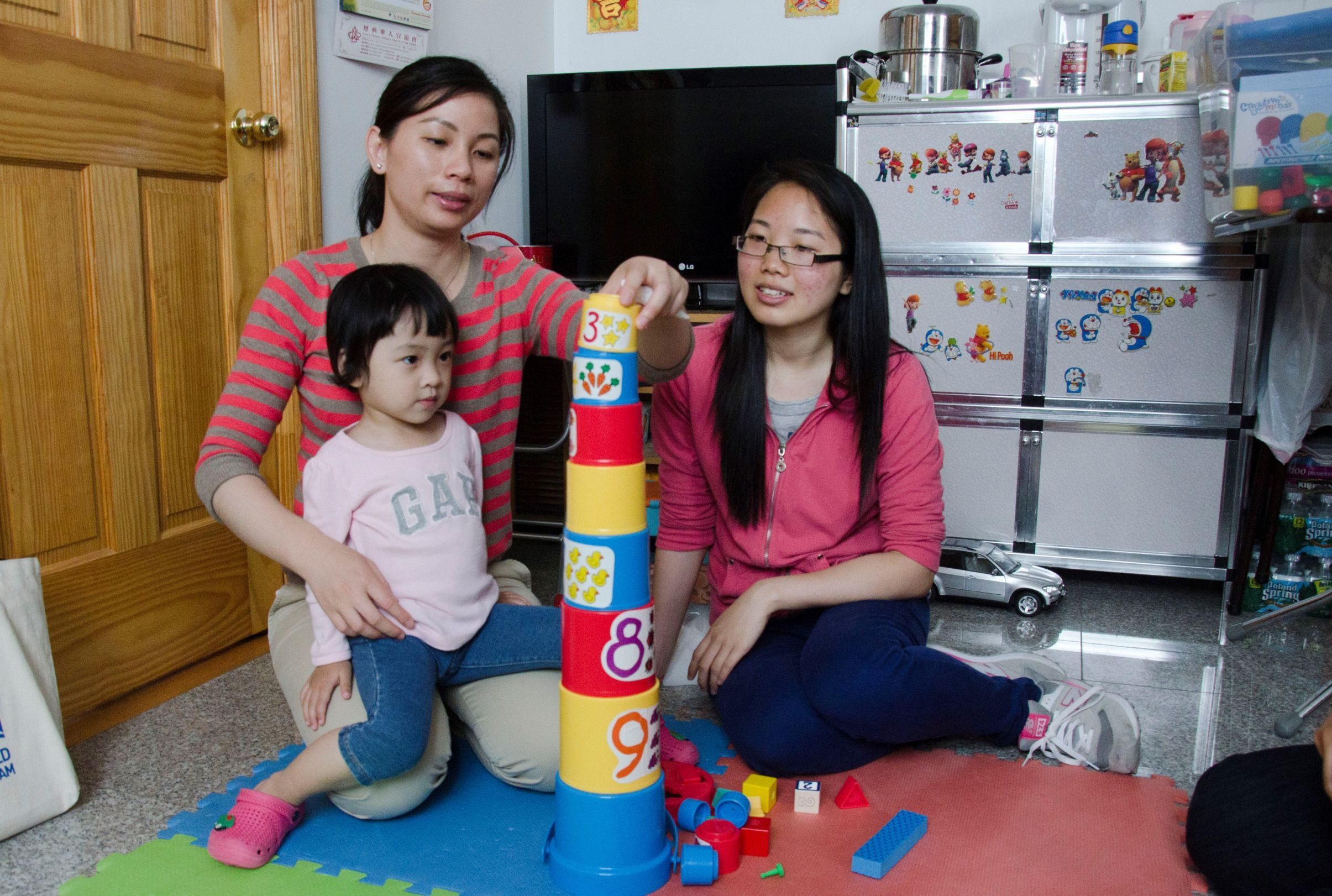
An Early-Childhood Nonprofit Tunes Into Families’ Needs and Reconsiders Videocalls
ParentChild+ made sure families had the food, diapers, and technology they needed during the pandemic. Now it’s figuring out the best mix of virtual and in-person learning. Read more ways nonprofits innovated to stay nimble and survive the crisis in our <a href="https://staging.philanthropy.com/package/creative-moves">Creative Moves</a> report.
By Jim Rendon
Executive Editor
How to Decide Which Pandemic-Era Changes to Keep
Listening to clients and testing approaches will help nonprofits chart a path for their work going forward, management experts say. Plus: See our special section on nonprofits’ <a href="https://staging.philanthropy.com/package/creative-moves"> creative ideas for getting through a year of crises</a> and how groups are building on those ideas to shape the future.
By Jim Rendon
Executive Editor
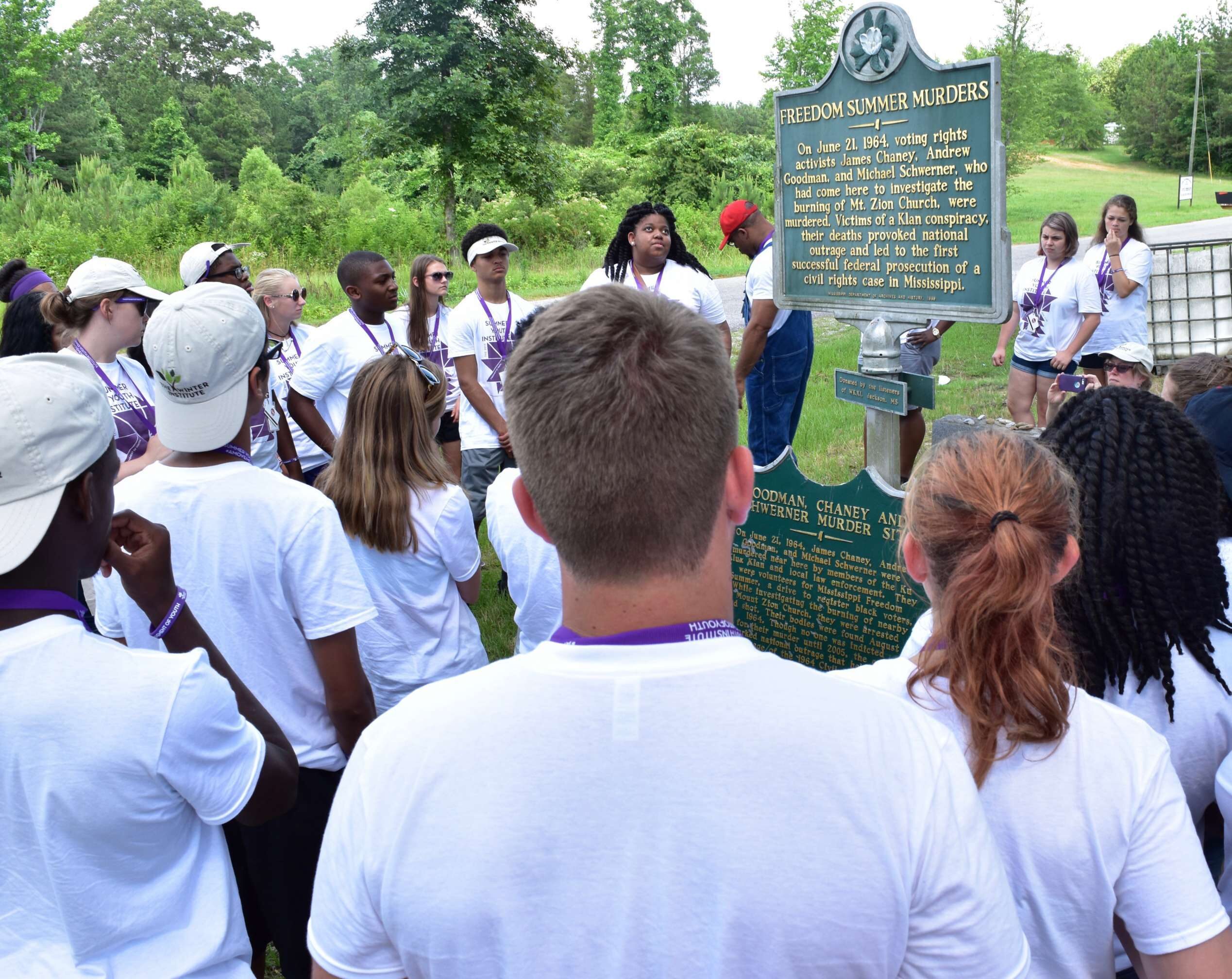
Zoom Gives a Boost to Nonprofit’s Work Advancing Racial Healing
The move to videoconferencing helped the Winter Institute reach more people with its workshops, while allowing participants to connect on a human level and discuss difficult subjects. See our special section on nonprofits’ <a href="https://staging.philanthropy.com/package/creative-moves">creative ideas for getting through a year of crises</a> and how groups are building on those ideas to shape the future.
By Jim Rendon
Executive Editor
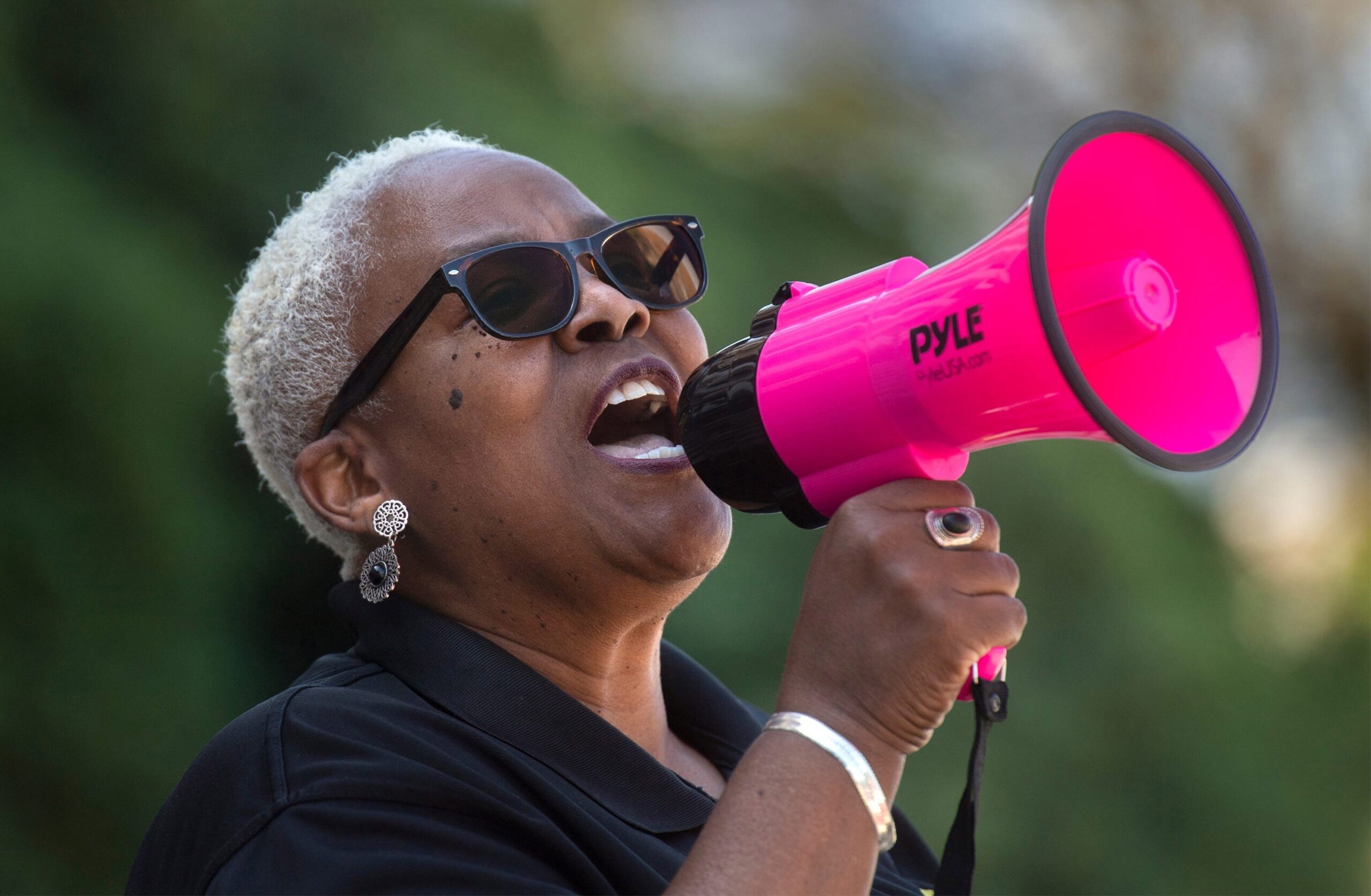
More Money and Momentum Fuel Police Accountability Work in Calif.’s Central Valley
Faith in the Valley has been focused on racial justice in that area for many years, which allowed it to move quickly to expand programs as additional money came in 2020.
By Jim Rendon
Executive Editor
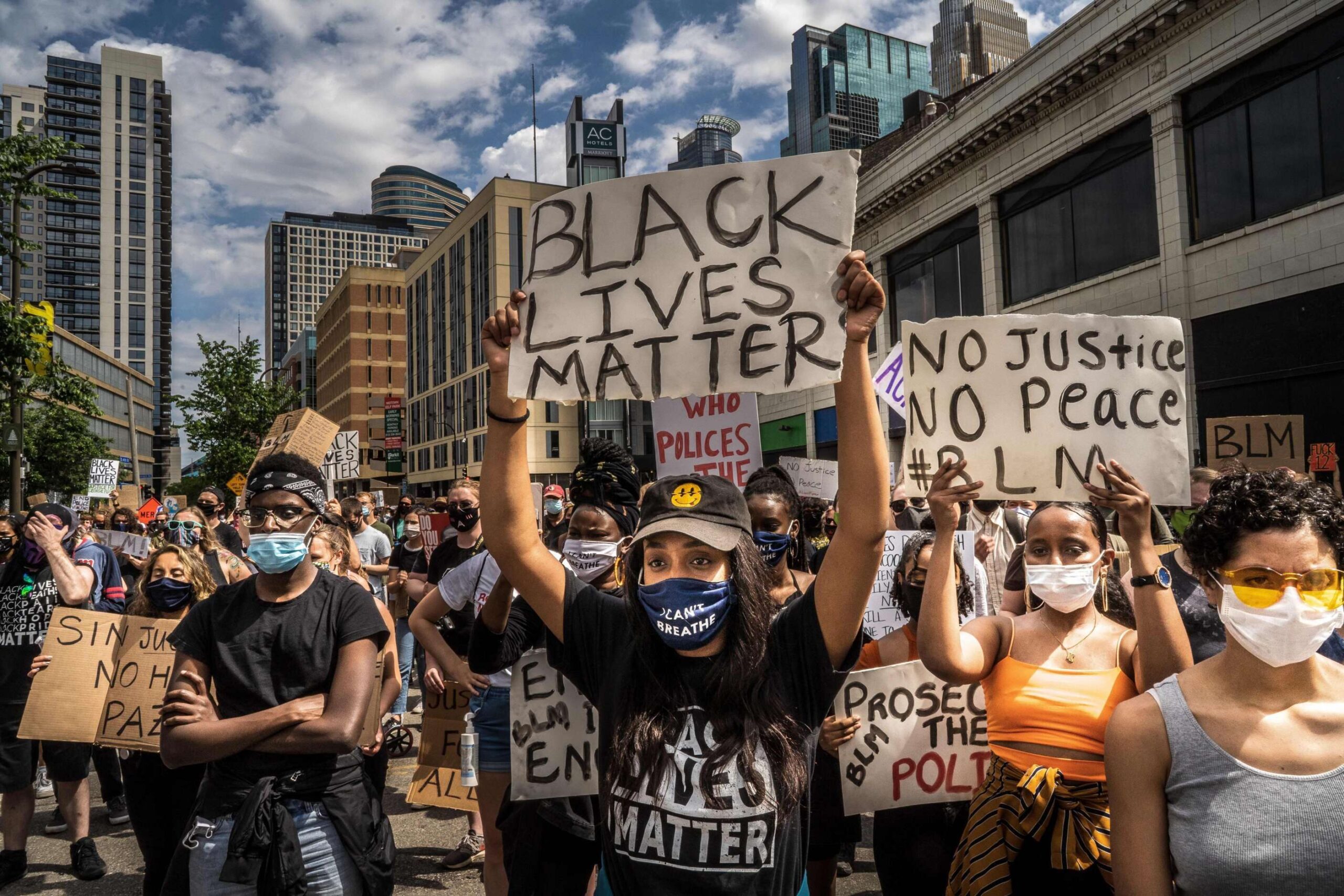
Minn. Foundation Awards $100 Million to Help Black People and Native Americans Build Wealth
The grant maker is seeking one or two nonprofits to lead the distribution of the funds, a move that comes after years of board and staff efforts to make the philanthropy more equitable and inclusive.
By Jim Rendon
Executive Editor
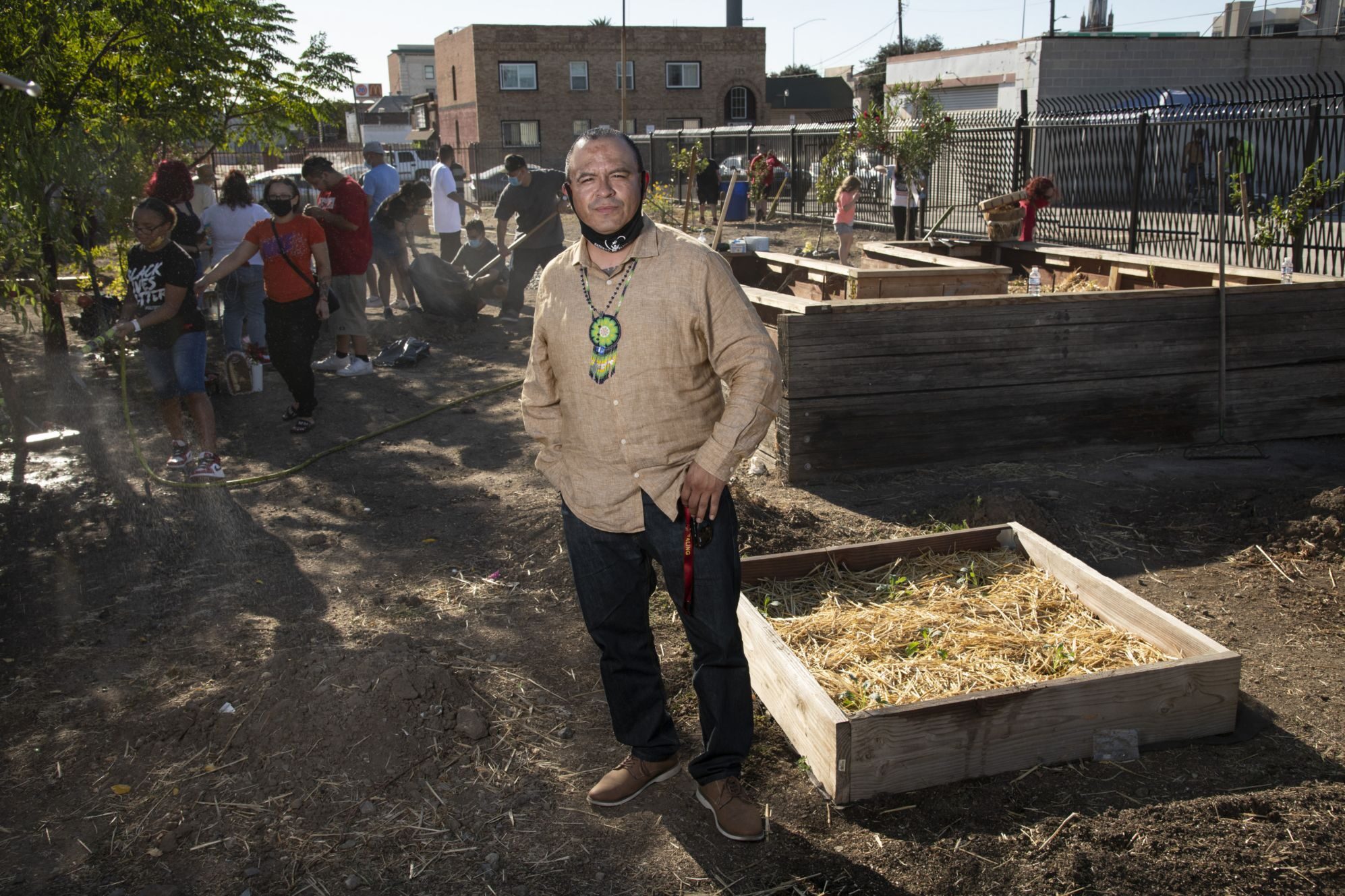
Nonprofits Have an Unexpected New Source of Funding: State Marijuana Revenue
As more states legalize marijuana, the revenue from sales is becoming an important source of funding for community-based nonprofits, but not all grant makers and nonprofits embrace that money.
By Jim Rendon
Executive Editor
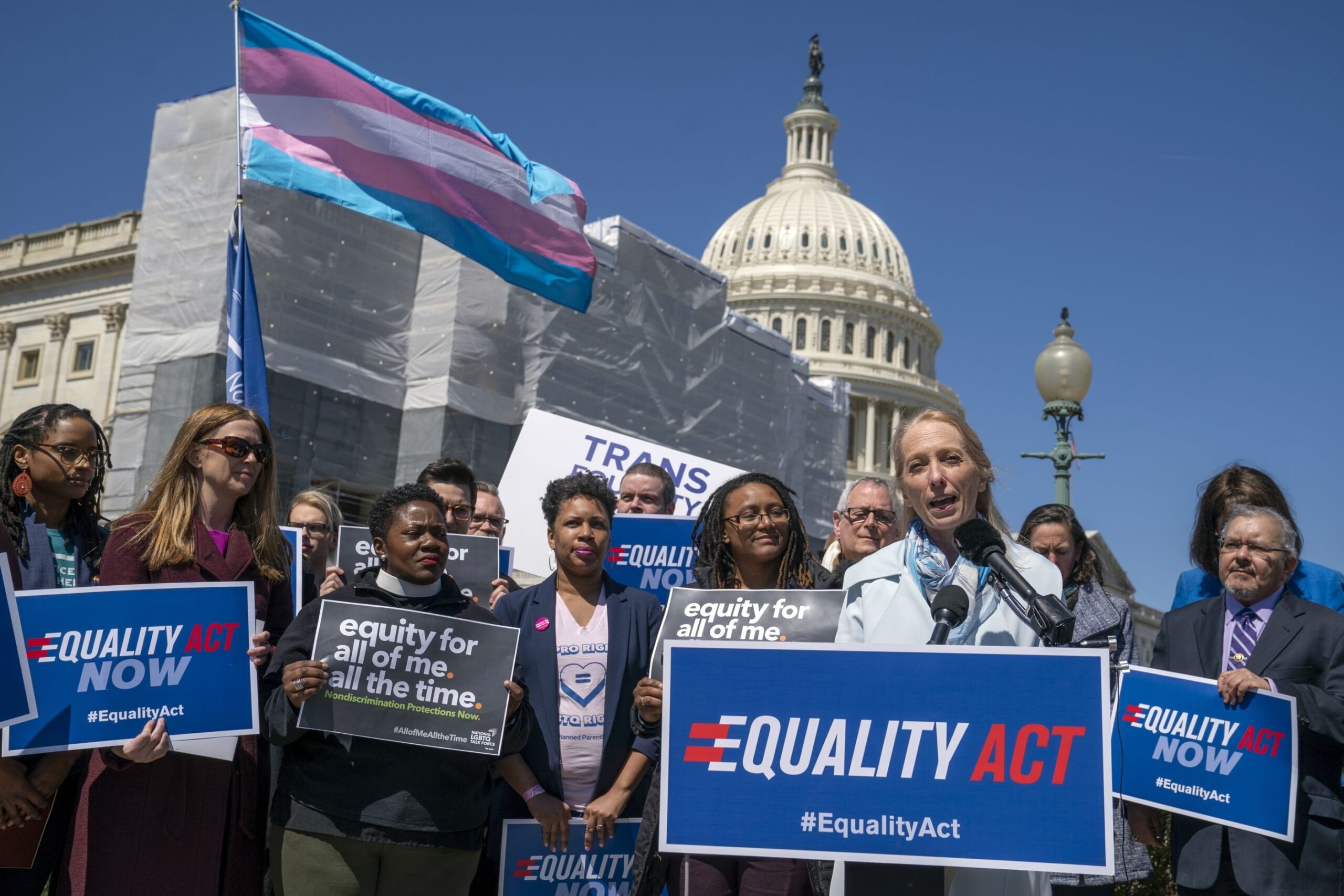
LGBTQ Activists and Grant Makers Push for Equality Act Drawing on Lessons From Marriage Drive
Foundations are collaborating closely as advocates focus on Republican senators they think can be persuaded to vote for the Equality Act with the message that LGBTQ people are their neighbors and deserve to be treated fairly.
By Jim Rendon
Executive Editor