16 Nonprofits That Defy Fundraising Logic – and Make It Work

By Drew Lindsay
Senior Editor, Special Projects
April 13, 2016 | Read Time: 4 minutes
To veteran fundraisers, the ideas might sound radical. An advocacy group whose community organizers double as major-gifts officers. Cash-hungry nonprofits that do away with the position of development director. A charity that thrives by asking even its low-income clients to donate.
Yet these and other seemingly unorthodox approaches are working, argues a report released today by the Evelyn and Walter Haas, Jr. Fund, the latest in its series of studies of chronically underfunded nonprofits. The study, “Fundraising Bright Spots,” highlights 16 nonprofits the Haas fund says have achieved “breakthrough results in individual giving.” The key to their success, according to the report: a culture of fundraising that’s far different from the norm.
That culture’s guiding principles include incorporating fundraising into a nonprofit’s core work and asking everyone — staff, board members, and volunteers — to assume the responsibility of raising money.
“What’s exciting is that these groups have so many lessons to teach us,” said Jeanne Bell, CEO of CompassPoint, a consultancy for nonprofits. “They have some real insights about how to reframe things. It isn’t just looking for the next development director.”
Ms. Bell co-authored the report with Kim Klein, a principal at Klein & Roth Consulting.
In 2013, the Haas fund joined with CompassPoint to publish survey findings that showed high turnover among nonprofit development directors and a scarcity of qualified talent in the fundraising field.
The foundation earlier this year issued a call to nonprofits to embrace a “culture of philanthropy” in which, among other things, responsibility for fundraising is shared throughout an organization.
Organizers as Fundraisers
“Bright Spots” focuses on social-change nonprofits that Ms. Klein and Ms. Bell suggest exemplify this culture. These groups work on issues such as lesbian rights, Middle East peace, and environmental conservation, and their annual budgets range from $750,000 to more than $8 million.
One of the featured groups, the Coalition for Humane Immigrant Rights of Los Angeles, increased individual giving by 40 percent last year, to $254,000. The organization once left fundraising to its leadership and development staff, but that changed not long after Beth Rayfield, a former United Auto Workers student-labor organizer at the University of California, arrived as development director in 2008. “I believe that every worker is an organizer, and every organizer is a fundraiser,” Ms. Rayfield says.
Organizing and fundraising each focus on relationship-building, she adds. “They require similar skills, and each comes with an ask.”
Today, the coalition taps staff, volunteers, and board members — around 60 people in all — to help run the group’s annual gala and membership drive. The organization provides training and support, including talking points, tracking sheets, and one-on-one help.
Those tapped to raise money include immigrants the organization aims to help. “We work in a movement where there are many organizers and leaders who are people of color, but often the development folks are white,” Ms. Rayfield says. “We want to make sure the people in our organization own the fundraising and feel that sense of leadership.”
Breaking the Rules
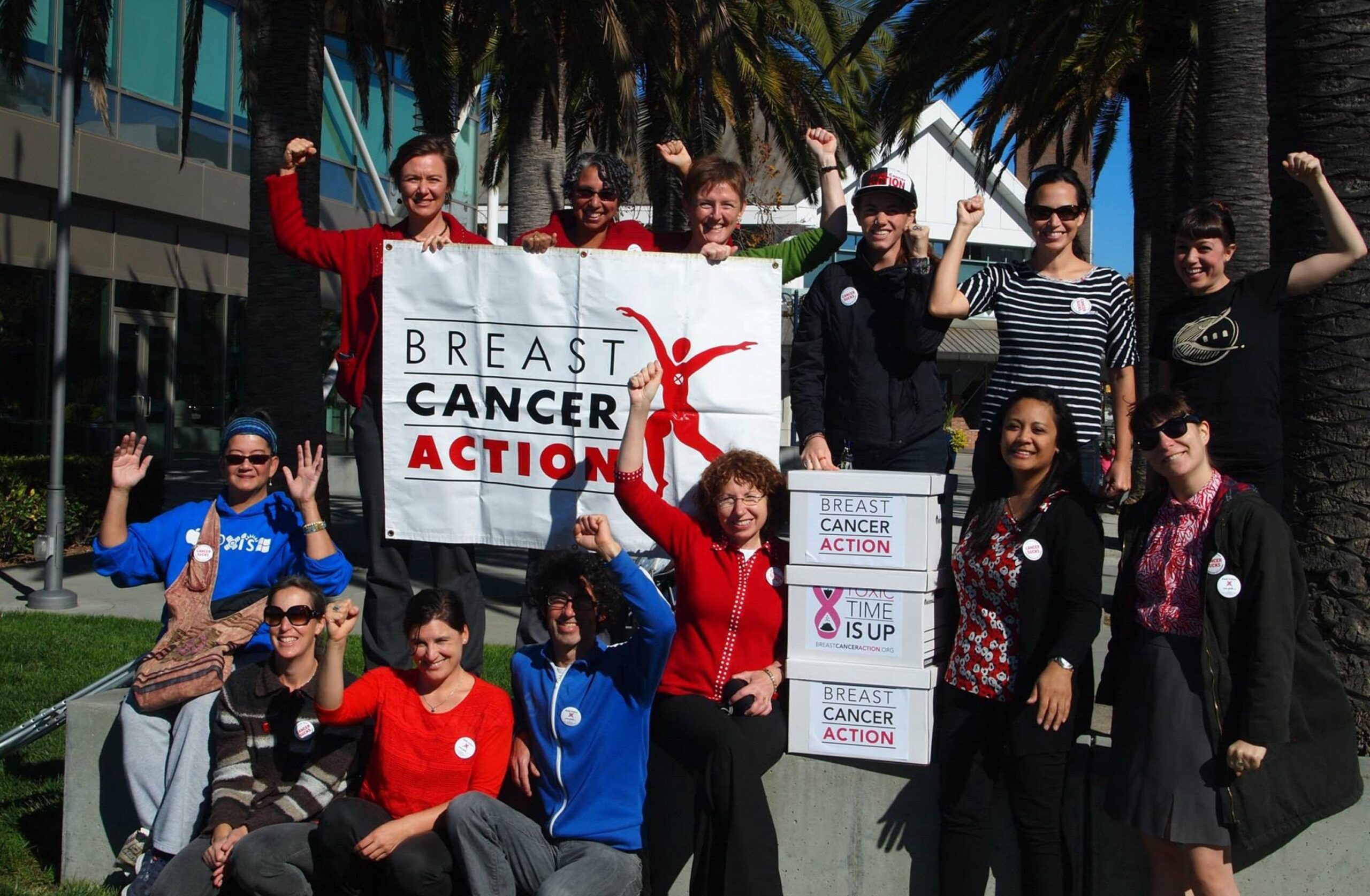
Breast Cancer Action raises about three-quarters of its $900,000 in annual revenue from individuals. Executive director Karuna Jaggar says the organization, which bills itself as the “watchdog” of the breast-cancer movement, often takes controversial stands; it’s perhaps best known for “Think Before You Pink,” a campaign to call out what it says is profiteering and misinformation in the “pink-ribbon culture” embraced by many health charities and corporations.
The organization’s work drives its fundraising, Ms. Jaggar says. Its typical appeal letter “violates many of the best practices. It’s text heavy, and it’s intellectual. We’re not telling personal stories about women whose lives were changed.”
Other groups featured in the report include:
- Iowa Citizens for Community Improvement, a 3,200-member community-organizing group that fights on a range of economic, environmental, and justice issues. It builds fundraising into its campaigns, says Katie Bryan, the development and communications director. “We don’t hide the fact that we’re a membership organization. As we go out and do an organizing meeting, we put as much intentionality into our membership pitch as we do into the rest of the agenda.”
- Jewish Voice for Peace, which advocates for peace in the Middle East and an end to the Israeli occupation of the West Bank, Gaza Strip, and East Jerusalem. Nearly 60 of its volunteers and staff and board members are individually managing major-donor portfolios.
- Student Action With Farmworkers, which organizes young adults on migrant labor and other agriculture-related issues. Despite pressure from her board some time ago, executive director Melinda Wiggins declined to hire a development director because she wants to lead a personalized, authentic fundraising effort that’s integrated into all the organization’s work.