23 Donors Claimed Spots on Both ’06 and ’07 Most-Generous Lists

By Maria Di Mento and nicole lewis
January 24, 2008 | Read Time: 3 minutes
Twenty-three donors claimed a spot on both The Chronicle’s 2006 and 2007 lists of America’s biggest philanthropists.
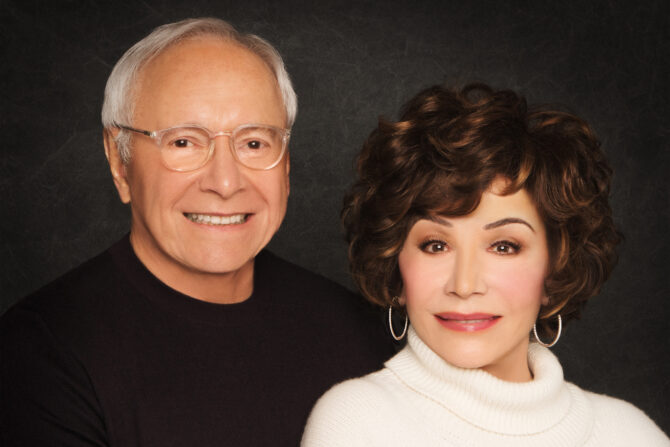
Among them: Philip H. and Penny Knight (tied for No. 17) and Lorry I. Lokey (No. 23); both
ALSO SEE:
DATABASE: America’s Top Donors
ARTICLE: A Big Year for Big Giving
LIST: Big Donors in 2007: Who Previously Made the List
ARTICLE: How The Chronicle Compiled the List of the Top Donors in the United States
ARTICLE: Secret Admirers
ARTICLE: Philanthropy From the Core
ARTICLE: A Passion for Improving Kids’ Lives
ARTICLE: Head of the Class
ARTICLE: Social Studies
ARTICLE: Philanthropy Retreats Help Married Couples Learn How to Balance Their Giving Priorities
LIVE DISCUSSION: Join a live discussion with a donor from The Chronicle‘s Philanthropy 50 on January 22 at 12 noon, U.S. Eastern time.
the Knights and Mr. Lokey made major gifts to Stanford University, in Calif., in 2006 and to the University of Oregon, in Eugene, in 2007.
The Knights’ pledge of $100-million last year to the University of Oregon will support the institution’s sports programs. Mr. Knight co-founded the Nike sportswear company. Mr. Lokey’s pledge of $74.5-million will bolster a variety of programs, mainly in the sciences. Mr. Lokey founded Business Wire, a San Francisco company that distributes news releases.
The pledges helped propel the Oregon university past its $600-million campaign goal to $717-million, and the commitments have also inspired several other donors to pledge contributions of a million dollars, says Allan Price, vice president for university advancement. “There’s a sense of optimism and excitement that gets created with these big gifts,” he says.
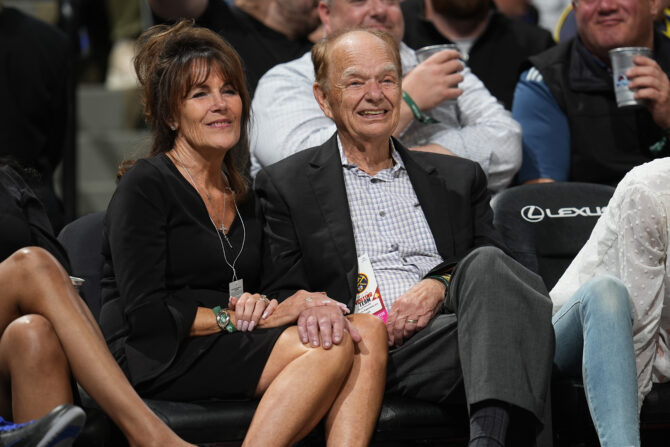
The family of Dan L. and Jan Duncan (No. 26) also had spots on the 2006 and 2007 lists. Among the gifts the family plans to make this year is $35-million to the University of Texas M.D. Anderson Cancer Center, in Houston, for its cancer-prevention institute, says Randa Duncan Williams, Mr. Duncan’s eldest daughter. Mr. Duncan is founder of Enterprise Products Partners, an energy company in Houston.
In 2007 the family’s giving totaled $74.4-million, with the largest pledge, $50-million, supporting the establishment of an institute for pediatric neurological disorders at Texas Children’s Hospital, in Houston. Some members of the Duncan family have dyslexia and attention deficit hyperactivity disorder, and a family member also has a friend with Tourette’s syndrome.
“Kids didn’t get diagnosed before and now you can diagnose them early,” says Ms. Williams. “Even if you can’t halt or cure the disease, you can at least ameliorate it so they don’t struggle when they get older.”
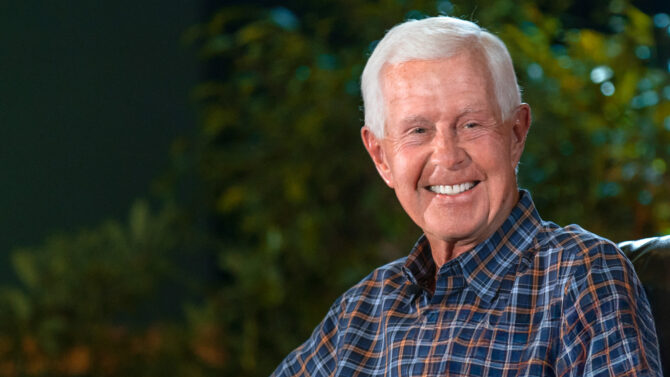
Some of 2007’s biggest donors, such as Frank Batten Sr. (tied for No. 17), who appeared on The Chronicle’s top-donor list in 2000 and 2003, have made big gifts to the same institution year after year. Mr. Batten pledged $100-million in 2007 to his alma mater, the University of Virginia, in Charlottesville, to establish a school of leadership and public policy that will be named for him. He has previously given the institution more than $70-million, and is the university’s most generous individual donor, says Bob Sweeney, senior vice president for development and public affairs.
“Your best past donors are almost always the most likely ones to make these megagifts,” says Mr. Sweeney. “It’s like the fruition of a relationship that, in Mr. Batten’s case, has been going on almost 50 years.”